Global Food Trade Gathers in Seoul as Industry Eyes Global Expansion
Seoul, Friday, 6 November 2026.
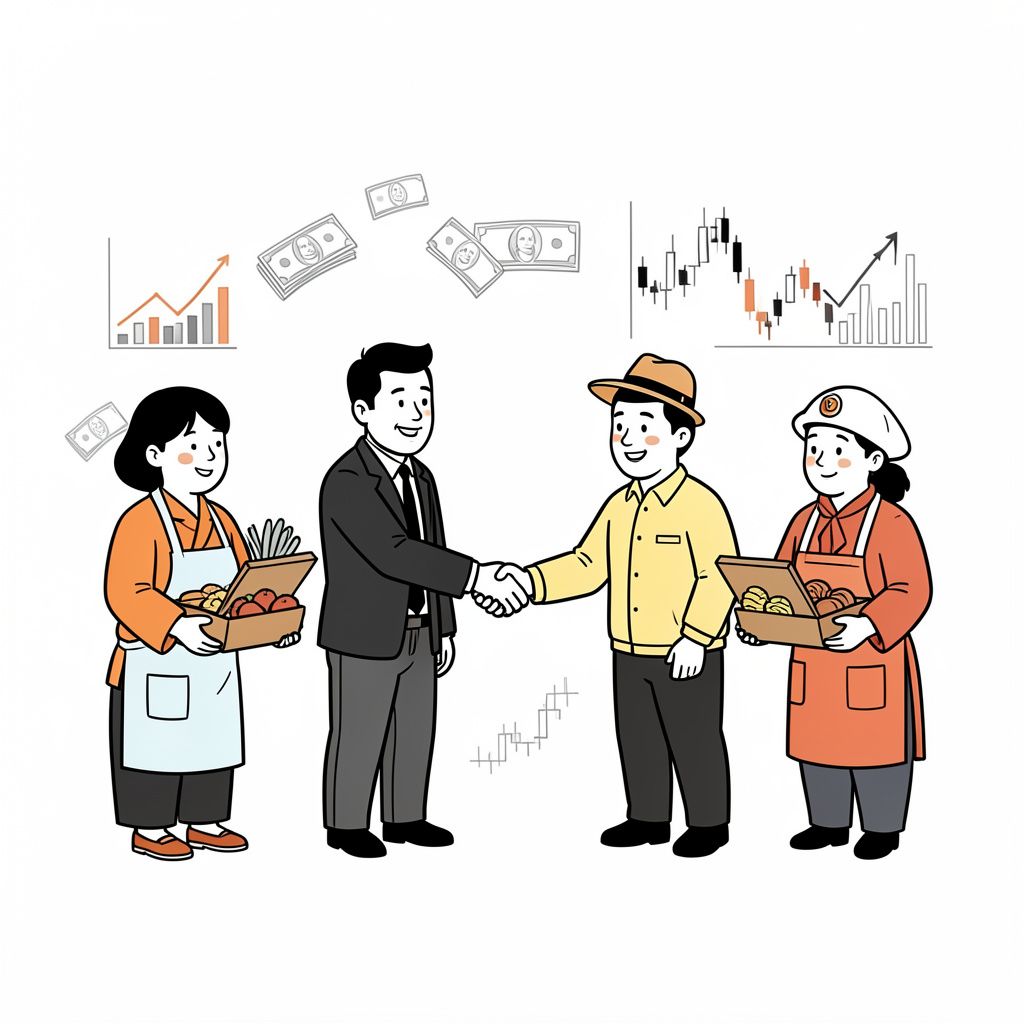
Gathering nearly 1,000 international exhibitors, the Seoul exhibition marks a strategic pivot toward enterprise trade to accelerate cross-border food partnerships and commercial exports across regional markets.
Seoul’s Strategic Hub for Global Food Innovation
Food Week Korea 2026, which opened at Seoul’s COEX convention center on November 4, 2026, has positioned itself as a pivotal venue for global food industry stakeholders, including 963 companies from 47 countries occupying 1,622 exhibition booths [1]. Unlike previous editions that primarily targeted consumer audiences, this year’s event has undergone a strategic pivot toward enterprise-to-enterprise (B2B) interactions, explicitly designed to accelerate cross-border food trade partnerships and commercial exports across the Asia-Pacific region [5]. The transformation reflects broader industry trends where food manufacturers are increasingly prioritizing functional and sustainable products in response to evolving regulatory frameworks and shifting consumer preferences [GPT].
From Consumer Shows to Trade Powerhouses
The Ministry of Agriculture, Food and Rural Affairs emphasized that Food Week Korea 2026 is no longer a consumer-facing event but a dedicated platform for B2B transactions aimed at expanding K-Food exports globally [5]. This shift is underscored by official statements from Vice Minister Kim Jong-gu, who noted that K-Food has evolved from a cultural export into a national brand driver, with this exhibition serving as a launchpad for Korean food companies seeking global market entry [1]. The event’s new thematic focus—‘Innovation Becomes the Norm’—highlights the integration of food tech, smart kitchen solutions, and AI-driven food systems into mainstream production and distribution channels [3].
Regional Trade Partnerships Take Center Stage
With 46 countries represented by over 1,000 food companies and institutions, this year’s edition marks the largest gathering in the event’s 21-year history [4]. The reorientation toward B2B engagement is particularly timely as companies navigate complex cross-border regulatory shifts, including compliance with sustainability standards and food safety protocols [GPT]. The exhibition’s expanded scope is also mirrored in the engagement of major retail and distribution platforms like NS Home Shopping, which is using the platform to facilitate market access for four domestic producers—including regional cooperatives and specialty seafood processors—by covering all booth-related costs and providing promotional and sales support [6]. This coordinated effort is designed to unlock new trade corridors between Asian distribution networks and global exporters, including U.S. agribusinesses and food technology firms seeking to capitalize on the region’s growing demand for premium, sustainable food products [alert! ‘specific data on U.S. engagement not provided in sources’].
K-Food’s Cultural and Economic Momentum
The event’s opening ceremony on November 4, 2026, was attended by approximately 100 delegates, including government officials and industry leaders, and featured the conferral of 31 government honors, including the Silver Tower Order of Industrial Service Merit awarded to Hansik Gonggan CEO Heesook Cho [1]. Speaking at the event, COEX CEO Jo Sang Hyeon highlighted the exhibition’s role in showcasing how food technology is reshaping both consumer tables and industrial processes, while Acting President of aT, Changguk Kim, emphasized the platform’s potential to connect Korean food companies with new global business opportunities amid rapidly changing market dynamics [1]. The strategic pivot to B2B is expected to generate measurable export growth, with preliminary consultations scheduled during the event’s export programs (BKF+) targeting areas such as fresh produce, including strawberries—a high-value segment in Korea’s agricultural export strategy [1].
A Glimpse into the Future of Food Distribution
The integration of digital commerce into physical exhibition spaces was exemplified by companies like NS Home Shopping, which launched a dedicated booth to support four small and medium-sized enterprises (SMEs) in promoting and selling products such as Jeonnam black garlic, Hong-eo (fermented skate) delicacies, and specialty rice varieties [6]. These products, traditionally sold through local markets, are now being positioned for national and international distribution networks, reflecting a broader industry trend toward digital transformation in food retail [GPT]. With an expected 60,000 visitors over four days, the exhibition is not only a trade fair but a real-time barometer of how innovation—from food AI to sustainable packaging—is being adopted across supply chains [6]. As global food supply chains face increasing pressure from climate change, geopolitical volatility, and consumer demand for transparency, Food Week Korea 2026 is emerging as a key node in redefining how food moves from farm to market in the 21st century.
Sources
- www.einpresswire.com
- www.instagram.com
- kr.tradingview.com
- www.ytn.co.kr
- www.thebigdata.co.kr
- www.facebook.com