Historic Strike Imminent for 16,000 NYC Nurses as Contract Talks Stall
New York, Monday, 12 January 2026.
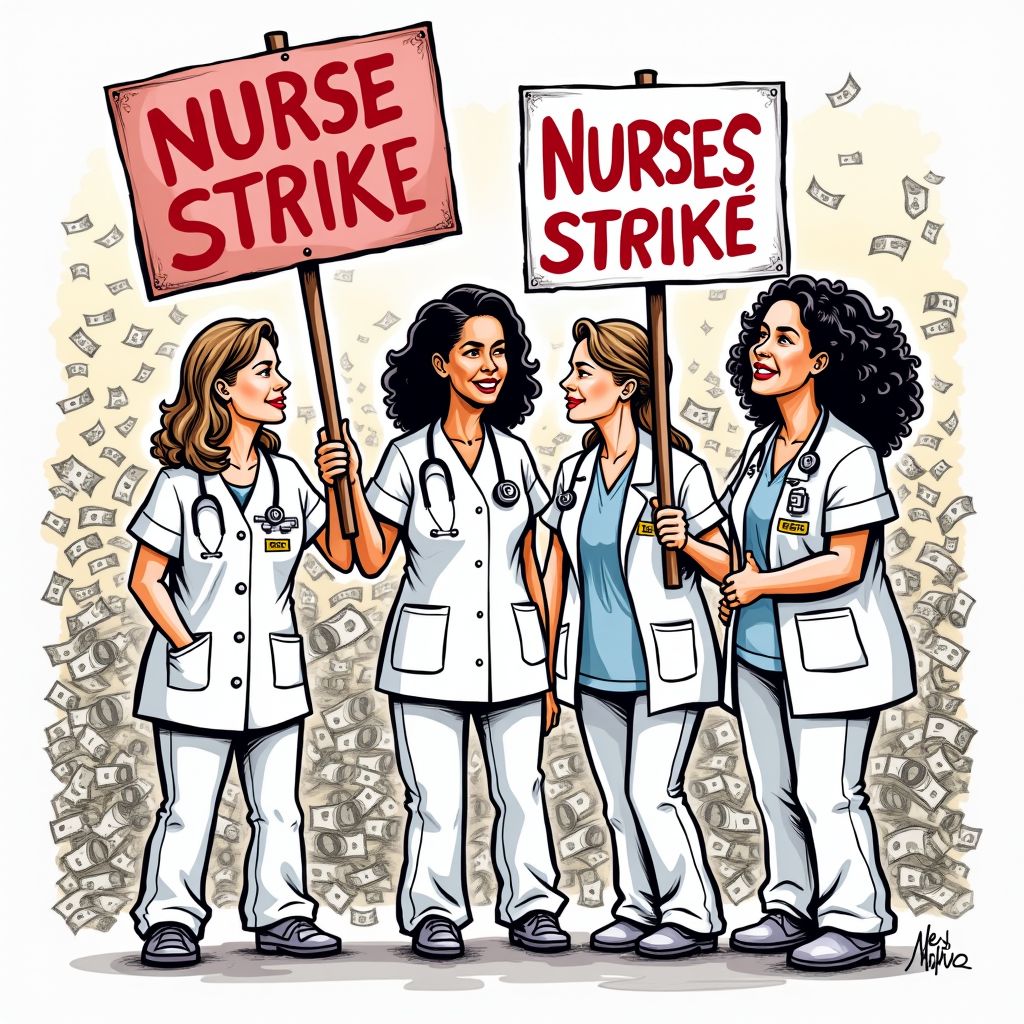
As of Monday, January 12, 2026, New York City faces the largest nursing strike in its history, with approximately 16,000 nurses at Mount Sinai, Montefiore, and NewYork-Presbyterian prepared to walk off the job following expired contracts. Despite a midnight deadline, negotiations remain deadlocked over critical issues including safe staffing ratios, wage increases, and protections against rising workplace violence—highlighted by recent armed incidents at medical facilities. While nurses at Northwell Health successfully ratified agreements, the remaining major private hospital systems argue that the union’s demands, estimated at $3.6 billion, are financially unsustainable. Governor Kathy Hochul has declared a state of emergency to mitigate the impact on patient care, but the standoff underscores a deepening crisis in the healthcare labor market where frontline safety concerns are colliding with institutional fiscal constraints. This labor action threatens significant disruptions to medical services across the nation’s economic hub.
The Economic Divide: Billions in Dispute
The stalemate between the New York State Nurses Association (NYSNA) and the city’s largest hospital systems—Mount Sinai, Montefiore, and NewYork-Presbyterian—centers on a fundamental disagreement regarding the valuation of labor and patient safety protocols. Hospital administrators have characterized the union’s proposals as financially destabilizing; Joe Solmonese, a senior vice president at Montefiore Einstein, stated that the union’s demands would total approximately $3.6 billion, a figure that includes a wage increase of nearly 40% [2][7]. Conversely, the union argues that these institutions are prioritizing profits over safety, with NYSNA President Nancy Hagans asserting that wealthy hospitals are attempting to cut health benefits even as nurses face increased risks [1][7]. In a counter-proposal, Mount Sinai offered lump sum increases ranging from $4,000 to $4,500 to nurses’ total compensation packages, highlighting the significant gap between the offered incentives and the structural pay raises sought by the workforce [3].
Operational Costs and Government Intervention
The financial impact of the looming strike extends beyond potential wage hikes; hospitals have already incurred substantial costs in preparation for the walkout. As of January 10, 2026, the affected institutions had spent over $100 million to secure temporary nursing staff to maintain operations [3]. Mount Sinai alone has contracted more than 1,000 agency nurses to cover shifts across its system, which includes the 1,100-bed main hospital and affiliates like Mount Sinai Morningside and Mount Sinai West, which hold approximately 500 beds each [5][8]. To mitigate the public health risk, New York Governor Kathy Hochul issued an executive order on January 10, declaring a state disaster emergency [3]. This directive suspends specific healthcare licensure laws through February 8, 2026, legally permitting out-of-state and Canadian medical professionals to practice in New York during the crisis [3][5].
A Crisis Fueled by Workplace Violence
While wages remain a sticking point, the union’s demand for rigorous safe staffing standards is heavily influenced by a surge in workplace violence, transforming the negotiation into a debate over physical security. The urgency of these demands was underscored by two recent security breaches: on January 2, 2026, staff at Brooklyn Methodist Hospital were confronted by an armed patient, and just days later, on January 8, a 62-year-old former NYPD officer was fatally shot at NewYork-Presbyterian Brooklyn Methodist Hospital [1][2]. These incidents have galvanized the nursing workforce, with practitioners citing rising aggression from patients and visitors as a primary driver for the walkout [1]. Hospital representatives, however, maintain that they are implementing reasonable safety measures, such as the rollout of panic buttons for frontline staff in Emergency Departments, which they claim the union has dismissed [4].
Divergent Outcomes: Settlements vs. Strikes
The labor landscape in New York City is currently fractured, with some institutions finding common ground while others face a total work stoppage. As negotiations continued through the weekend, nurses at Northwell Health facilities—specifically Plainview, Syosset, and Huntington hospitals—ratified tentative agreements on January 8, effectively averting strikes at those locations [6][7]. Similarly, The Brooklyn Hospital Center and Wyckoff Heights Medical Center reached deals that satisfied union requirements regarding staffing and wages [4][6]. However, for the 16,000 nurses at the remaining stalemated hospitals, the strike is scheduled to commence in staggered waves on Monday morning: picketing is set to begin at 6:00 a.m. at Mount Sinai facilities and at 7:00 a.m. at NewYork-Presbyterian and Montefiore locations [5][7]. This marks the second time in three years that nurses at Mount Sinai and Montefiore have been forced to leave the bedside, following a three-day strike in 2023 that resulted in a 19% pay raise and staffing promises the union claims are now being eroded [2][8].
Sources
- abc7ny.com
- abcnews.go.com
- www.politico.com
- www.nbcnewyork.com
- gothamist.com
- www.nysna.org
- www.cbsnews.com
- www.cnbc.com