Why Corporate Leaders Are Dismantling Outdated Male-Centric Workplace Norms
New York, Sunday, 31 May 2026.
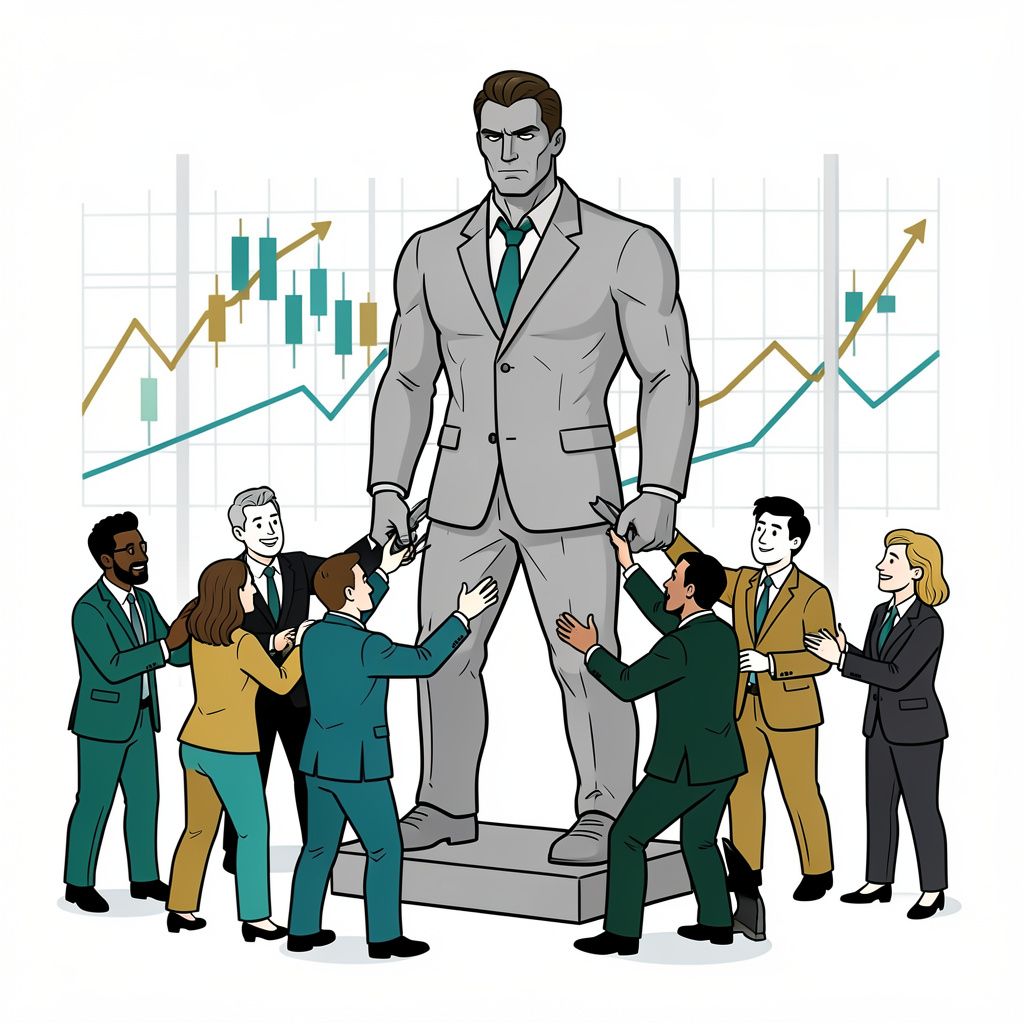
Business leaders are dismantling outdated male-centric workplace norms to boost retention, as toxic expectations like extreme stoicism now drive employee turnover in 30% of toxic work environments.
The Economic Cost of Androcentric Design
Modern corporate structures are heavily influenced by androcentric bias, a framework that establishes the male experience as the baseline for professional normalcy [1]. This bias shapes everything from meeting formats to performance evaluations, often penalizing women who exhibit the same assertiveness and decisiveness celebrated in male leaders [1]. The structural gaps embedded in these designs are profound; according to McKinsey’s Women in the Workplace 2024 report, it will take 22 years for white women to achieve leadership parity, and over 44 years for women of color—a timeline that is 2 times as long [1].
Mental Health and the “Man Box” in High-Stress Sectors
The negative impacts of these outdated structures are not confined to women; they also severely affect men, particularly in male-dominated industries like construction, manufacturing, and transportation [3]. In these high-stress sectors, cultural expectations of toughness and dominance create a structural stigma around seeking help, turning silent suffering into a significant organizational liability [3]. Adherence to these rigid heteropatriarchal norms restricts men to emotionally limited roles and is directly linked to higher rates of anxiety, depression, and substance misuse [3][5].
Cultural Backlash and the Push for Modernization
As companies attempt to establish more inclusive norms, they face cultural pushback from factions advocating for a return to traditional hierarchies [GPT]. The June 2026 cover story of The Atlantic highlights the rise of “masculinism,” a movement driven by the belief that feminism has overly “feminized” institutional and corporate realms [5]. This cultural tug-of-war frequently spills into the public sphere, as seen on May 29, 2026, when strict physical appearance standards were enforced for military service members attending a White House UFC event, requiring their waist circumference to be 55% or less of their total height [5].
Strategic Imperatives for the Future Workforce
For forward-thinking executives, addressing these systemic issues is no longer optional [GPT]. The incoming generation of talent is actively rejecting restrictive environments; a 2025 Deloitte survey indicates that Gen Z candidates now prioritize mental health and work-life balance as top concerns when evaluating potential employers [1]. Relying on case-by-case accommodations is an inadequate strategy that can be perceived as “special treatment” and breed resentment among staff [1].
Sources
- www.forbes.com
- www.nytimes.com
- www.invigoratehr.com
- www.nature.com
- sorayachemaly.substack.com
- www.instagram.com