Israeli Forces Demolish UNRWA East Jerusalem Headquarters Following State Ban
Jerusalem, Tuesday, 20 January 2026.
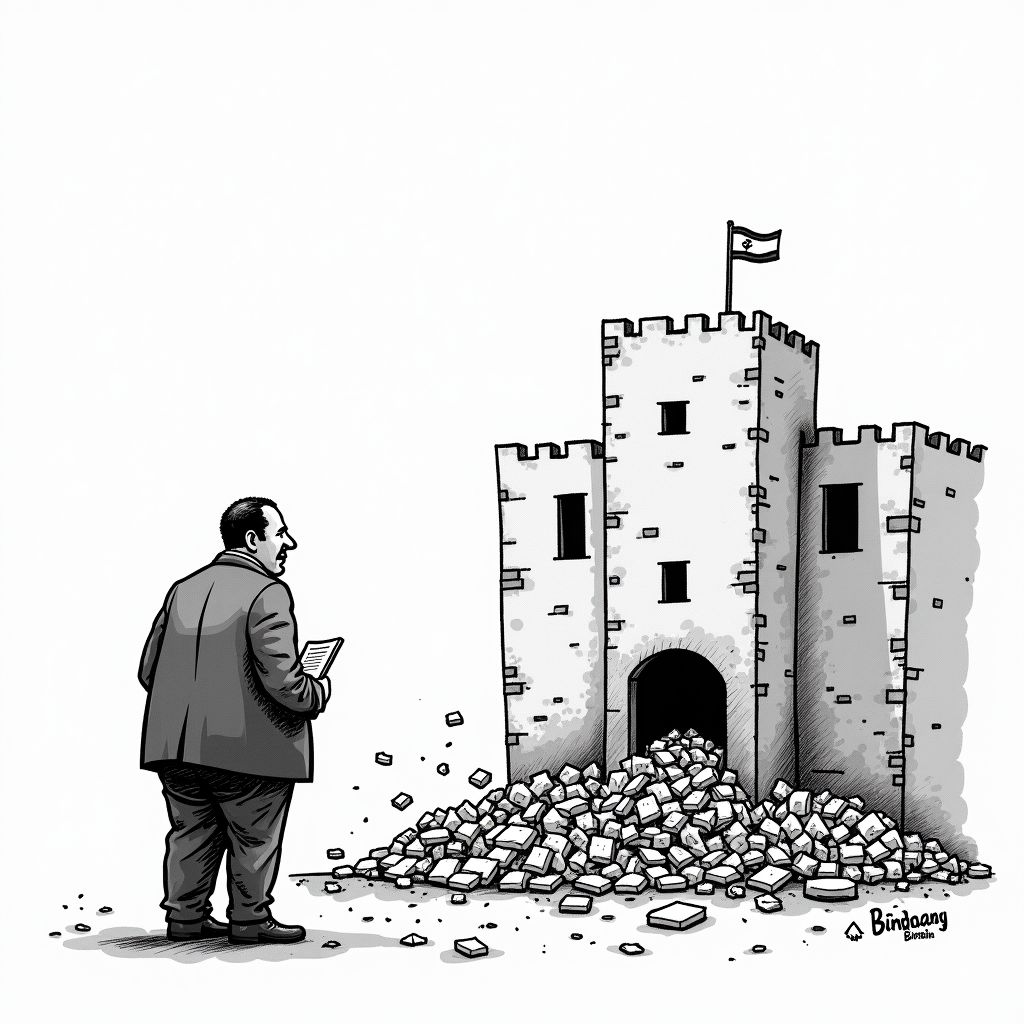
On January 20, 2026, Israeli authorities demolished the UNRWA headquarters in East Jerusalem, executing a decisive move rooted in legislation passed in late 2024 that banned the agency’s operations within the country. The demolition at the Sheikh Jarrah compound was overseen by National Security Minister Itamar Ben-Gvir, who controversially characterized the destruction of the UN facility as a “historic holiday” for Jerusalem’s sovereignty. While the UN denounced the operation as an unprecedented violation of international law and diplomatic immunity, Israel defends the seizure as a legal enforcement against an organization it accuses of complicity in the October 7 attacks. This event signifies a critical rupture in relations between Israel and the UN relief agency, physically erasing the infrastructure of international aid operations in the city.
Operational Details of the Demolition
The operation commenced around 07:00 local time when Israeli forces, accompanied by representatives from the Israel Land Authority, entered the UNRWA compound located in the Sheikh Jarrah neighborhood, also known as Ammunition Hill [1][6]. Heavy machinery, including bulldozers, was deployed to dismantle the structures, which had historically served as the agency’s central headquarters for managing humanitarian operations in the West Bank and East Jerusalem [1][8]. Witnesses reported that security guards were forcibly removed from the premises before the demolition crews began their work, and the Israeli flag was subsequently raised over the site to replace the United Nations flag [1][6]. The site had been largely vacant since early 2025 following an Israeli government order for the agency to vacate the premises [5][8].
Political Rhetoric and Justification
The demolition was highly publicized and attended by high-ranking officials, including National Security Minister Itamar Ben-Gvir, who viewed the destruction from the scene [2]. Characterizing the event as a triumph for Israeli sovereignty, Ben-Gvir stated, “This is a historic day, it’s a holiday,” and declared that “terror supporters are being kicked out of here with everything they’ve built” [2][5]. This sentiment was echoed by Knesset member Yulia Malinovsky, a key initiator of the legislation banning UNRWA, who celebrated the demolition as a moment of redemption for Zion and a direct result of the laws passed to expel the agency from Israel [4][8].
The Dispute Over Legal Immunity
The United Nations has vehemently rejected Israel’s legal interpretation of the events, framing the demolition as a violation of diplomatic norms. UNRWA spokesperson Jonathan Fowler described the action as an “unprecedented attack” on the agency’s premises, asserting that it constitutes a “serious violation of international law and the privileges and immunities of the United Nations” [1][2]. The compound, which had been utilized to store aid for the West Bank and Gaza, is viewed by the UN as protected property under international conventions regarding diplomatic missions [1][5]. However, the Israeli Foreign Ministry maintains that the compound enjoys no such immunity, arguing that the seizure was conducted in accordance with Israeli law following the legislation passed in October 2024 that outlawed the agency’s activities within the country [2][4].
Escalating Geopolitical Consequences
This physical dismantling of UN infrastructure follows months of escalating administrative pressure and warnings from the international community. In early January 2026, UN Secretary-General Antonio Guterres warned Israeli Prime Minister Benjamin Netanyahu that these legislative moves were in “direct contravention” of Israel’s international obligations and could prompt the UN to take the matter to the International Court of Justice [3]. Despite these high-level warnings, Israel has proceeded with the implementation of the ban, which includes the transfer of UNRWA’s assets to the state and the cessation of services such as healthcare and education previously provided by the agency in Jerusalem [4].
Sources
- www.reuters.com
- www.timesofisrael.com
- www.aljazeera.com
- www.ynetnews.com
- www.france24.com
- www.aa.com.tr
- www.abc.net.au
- www.jpost.com