U.S. House Representatives Face Mounting Defeats in 2026 Primaries for Higher Office
Washington, D.C., Friday, 5 June 2026.
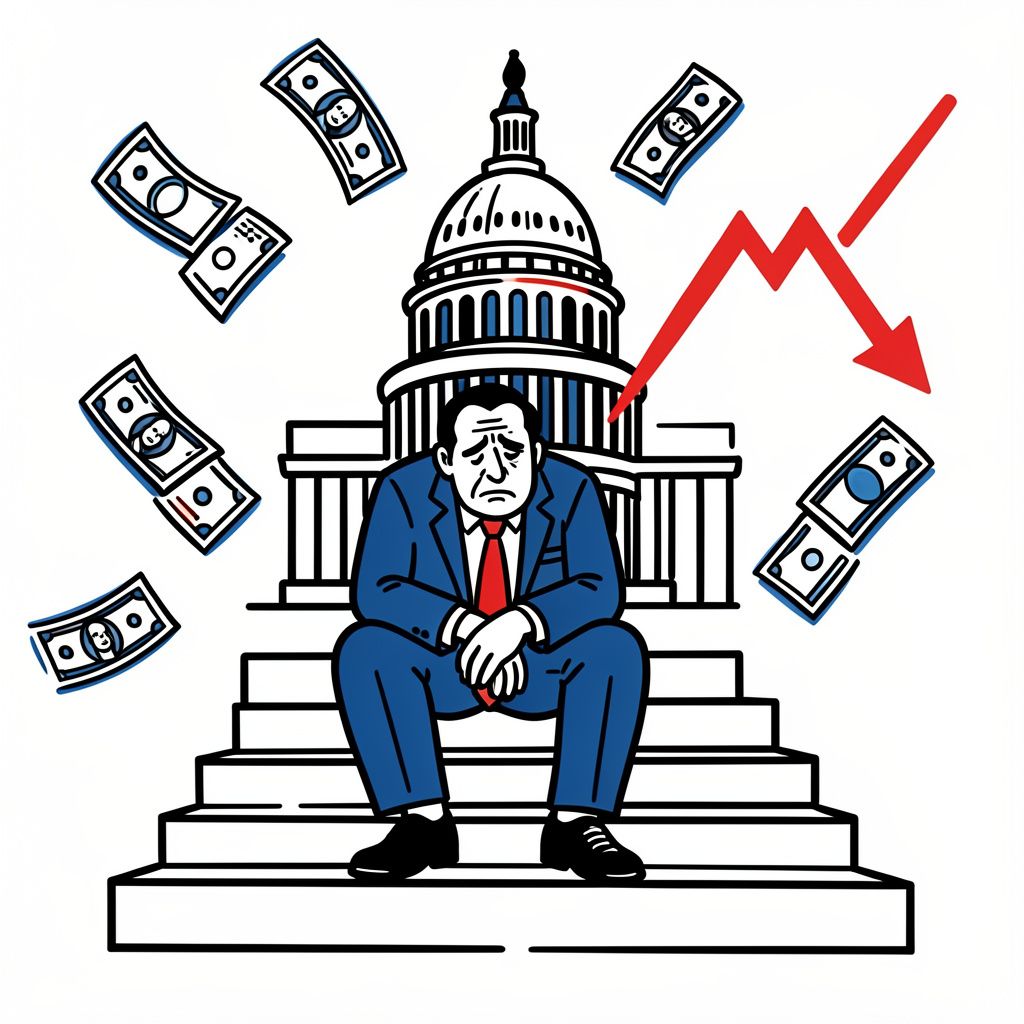
Driven by strong anti-incumbent sentiment in the June 2026 primaries, sitting U.S. House representatives are repeatedly losing bids for higher office, signaling profound shifts in future legislative stability.
The Incumbency Disadvantage in 2026
As the 2026 midterm election cycle progresses into the summer, sitting U.S. House representatives are discovering that their current positions offer little advantage—and perhaps a distinct disadvantage—in securing higher political office [1]. An overarching anti-incumbent sentiment is sweeping through the electorate, with voters expressing frustration toward an institution broadly viewed as dysfunctional [1]. This trend materialized starkly during the June 2, 2026, primaries. In South Dakota, for example, Republican Representative Dusty Johnson finished third in the gubernatorial primary, failing to even qualify for the runoff between incumbent Governor Larry Rhoden and businessman Toby Doeden [2]. Johnson’s defeat is not an isolated incident but part of a broader pattern of sitting members from both sides of the aisle struggling to advance [2].