UK Supported Housing Thrives Amid a Weakening 2026 Property Market
London, Friday, 15 May 2026.
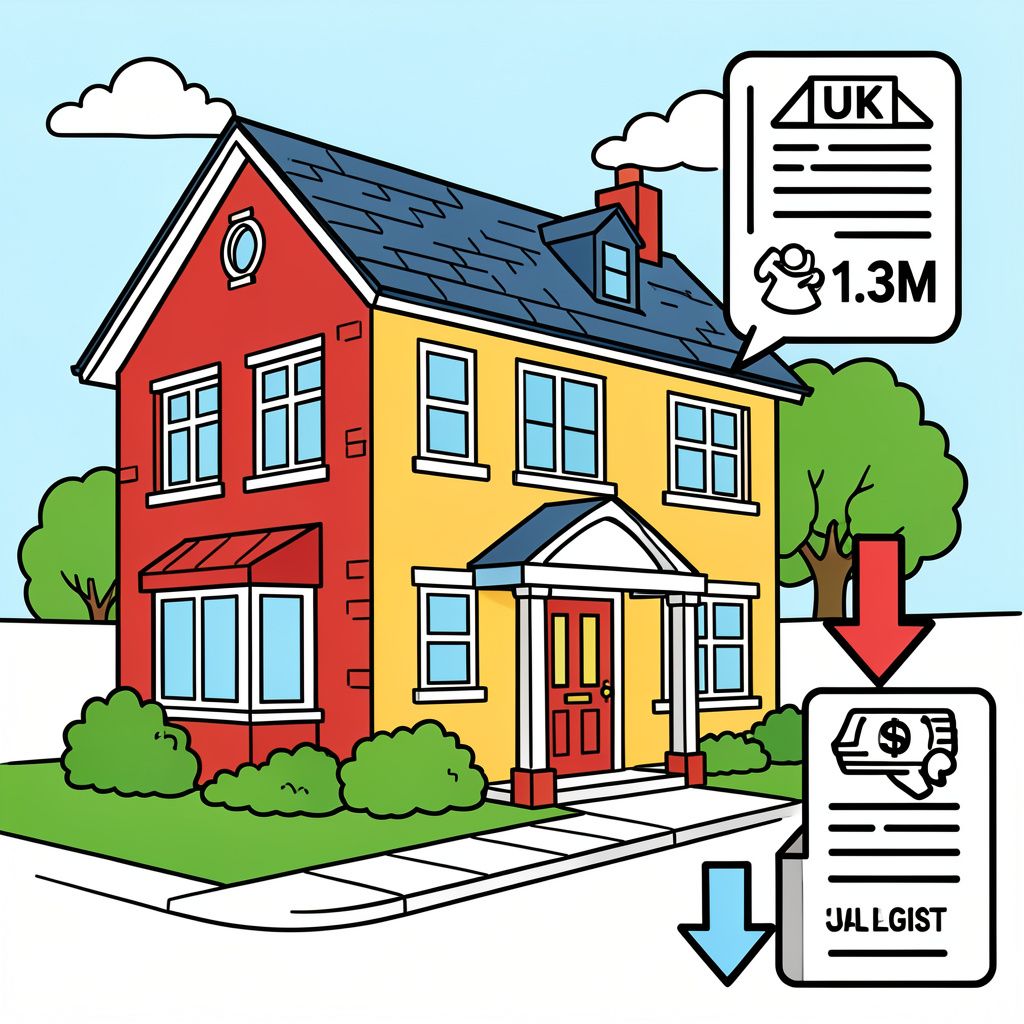
While the broader UK housing market struggles with rising interest rates in May 2026, supported housing offers investors stable, long-term yields driven by a 1.3 million household waiting list.
Macroeconomic Headwinds and a Cooling Market
As of mid-May 2026, the United Kingdom’s property market is navigating a severe adjustment period driven by geopolitical instability and rising borrowing costs [1][2]. Following the outbreak of the war in Iran, the Bank of England warned on April 30, 2026, that interest rates would likely need to increase to combat unavoidable inflationary pressures stemming from disrupted supply chains and elevated oil prices [1][2]. Consequently, financial markets are currently pricing in two to three quarter-point interest rate hikes by the central bank before the end of the year [2]. This tightening monetary environment has resulted in UK homebuyers facing their worst mortgage affordability levels since 2008 [1]. In fact, when adjusted for inflation, the average UK house price is now roughly equivalent to its value two decades ago [3].
The Exodus of Private Landlords
While the sales market stagnates, the private rental sector is experiencing its own supply-side crisis. Increased regulatory burdens, notably the Renters’ Rights Act, alongside higher taxation, are prompting a significant number of buy-to-let landlords to exit the market [1][4]. According to Jeremy Leaf, a North London estate agent and former RICS residential chairman, these legislative changes have directly catalyzed landlord sell-offs [4]. This exodus is heavily constraining supply, with landlord instructions recording a net balance of negative 17 percent in April 2026 [4].
The Structural Deficit in Social Housing
The acute shortage of affordable accommodation has placed immense pressure on local authorities. In England alone, more than 1.3 million households are currently languishing on local authority housing waiting lists [5]. The severity of the situation was highlighted on May 13, 2026, when UK Prime Minister Keir Starmer addressed the crisis via social media, stating that too many families are trapped raising children in temporary accommodation and emphasizing that social housing must provide “security, stability and dignity” [6]. The government has pledged to change this trajectory, though immediate structural solutions remain complex [6].
Supported Housing as a Defensive Asset
Amidst the turbulence of the mainstream property market, specialist supported housing is proving to be a highly resilient, defensive asset class for investors seeking long-term income [5]. A prime example is the Assisted Living Project, which operates a debt-free acquisition model—a significant strategic advantage in a high-interest-rate environment [5]. By acquiring newly-built residential properties directly from developers in bulk, the organization bypasses estate agency commissions and secures substantial capital discounts [5]. For instance, the project has successfully transacted on properties with open market values of approximately £200,000 for closer to £177,000, representing a discount of 11.5 percent [5].
Sources
- www.theguardian.com
- www.reuters.com
- www.bloomberg.com
- www.mortgagefinancegazette.com
- www.einpresswire.com
- www.instagram.com
- www2.flagstar.com