China's Advanced Humanoid Robot Demonstrates Autonomous Skills and Agility
Hangzhou, Thursday, 17 September 2026.
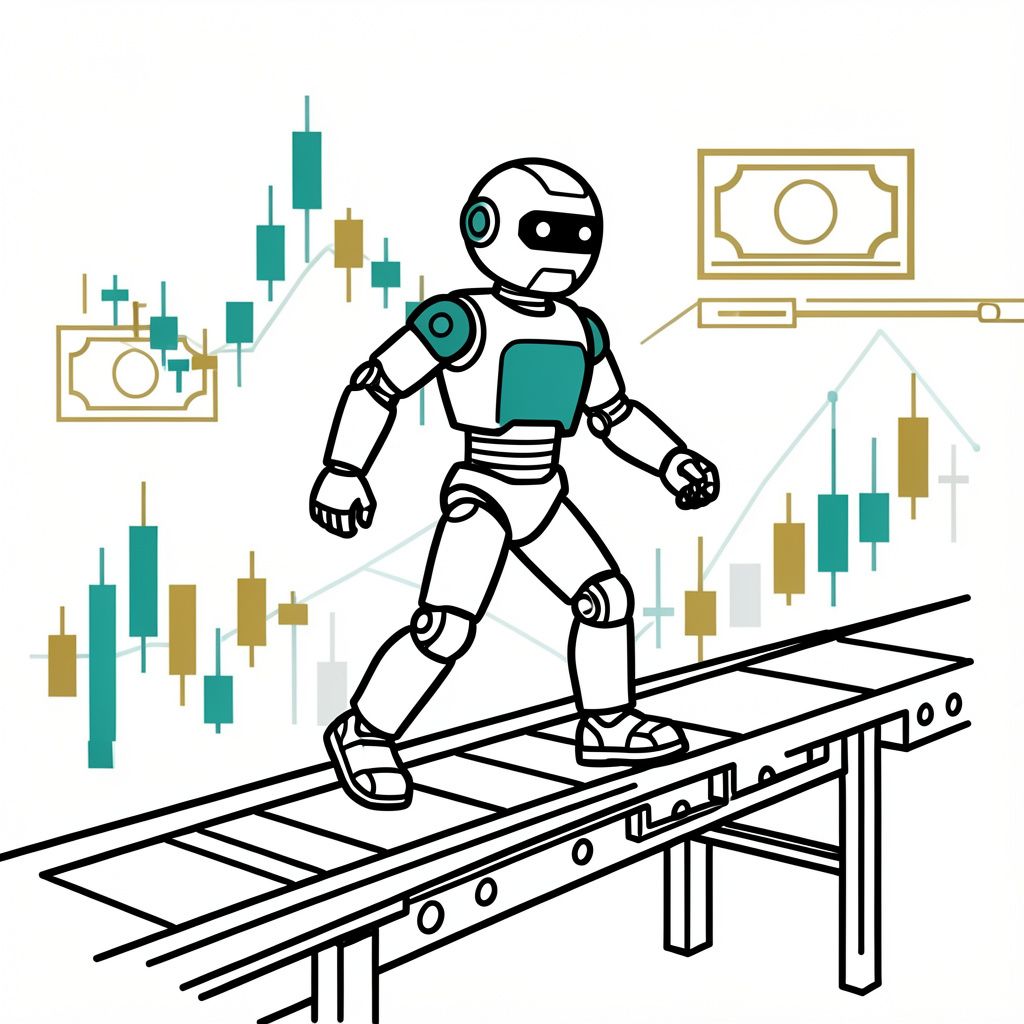
Unitree’s new humanoid robot autonomously walked off an assembly line, showcasing high physical agility. This milestone signals rapid industrial progress that could reshape global manufacturing supply chains.
Autonomous Capabilities and Market Reaction
The demonstration video, released on September 11, 2026, highlights the increasing capabilities of humanoid robotics and their potential impact on manufacturing and labor markets [1]. In the footage, the humanoid robot is seen walking off an assembly line autonomously, indicating significant advancements in robotics and automation [1]. This display occurred just six days prior to the current date, calculated as 6 days ago, marking a rapid succession from development to public disclosure [1][GPT]. The viral nature of the content has sparked immediate discussion regarding the speed of technological integration in industrial settings [1].
Implications for Global Supply Chains
Executive discussions are now focusing on supply chain competitiveness following the reveal of the ‘super athlete’ model [1]. The ability of such machines to navigate all-terrain environments suggests potential shifts in logistics and heavy industry operations [1]. Analysts note that while the technology demonstrates impressive physical agility, the broader economic implications depend on scalability and regulatory acceptance [1]. Concerns have been raised regarding defense application overlaps, which may prompt scrutiny from Western trade authorities [1].
Regulatory and Economic Context
The timing of this release coincides with heightened sensitivity around AI and automation infrastructure, as seen in recent local opposition to data centers in Michigan [1]. As of September 17, 2026, the convergence of physical robotics and AI decision-making creates a complex landscape for policymakers [1][GPT]. The surge in interest in trade schools among Generation Z further reflects the labor market’s response to these technological shifts [1]. Regulatory frameworks are expected to evolve rapidly to address the dual-use nature of such advanced robotics [1].