How Foreign Policy Conflicts Drove Millions in Presidential Oil Profits
Washington, Monday, 24 August 2026.
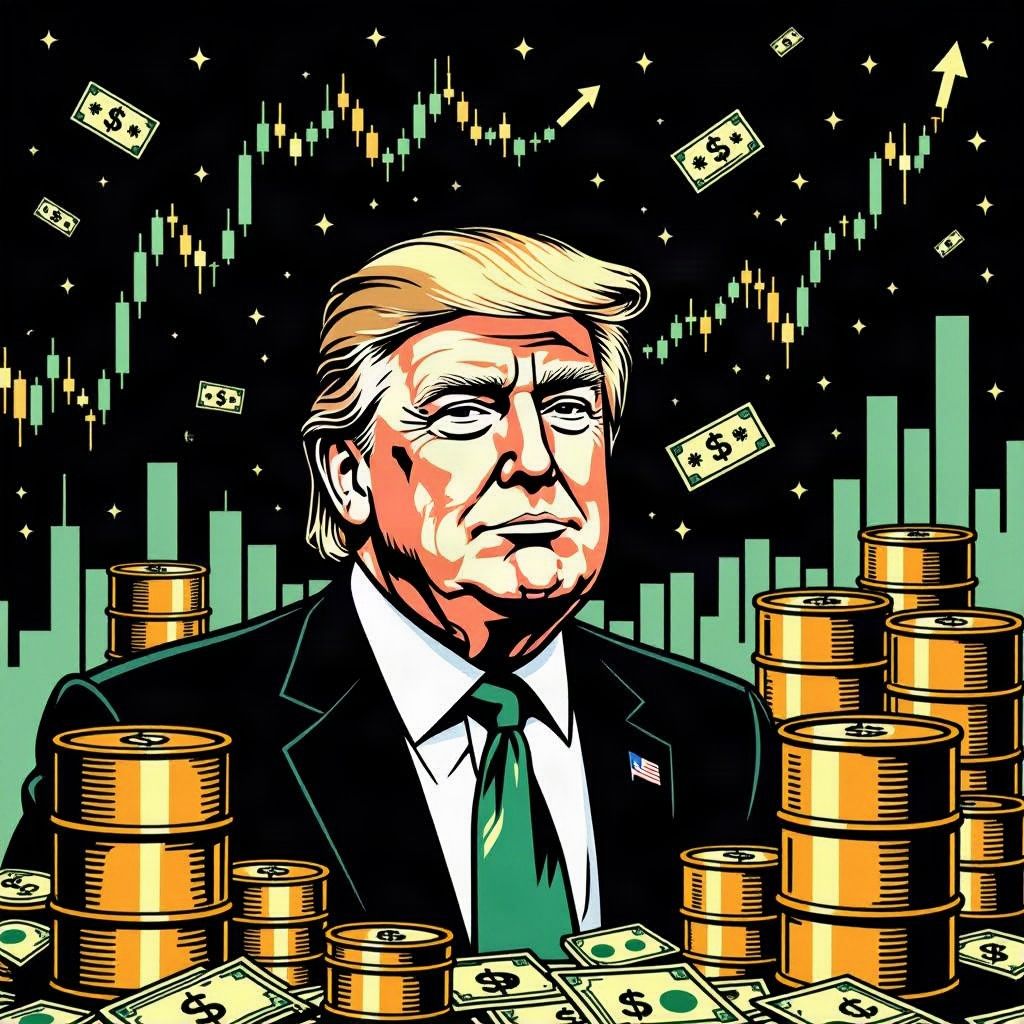
Reports indicate Donald Trump gained up to $15.5 million from personal fossil fuel stock investments following foreign policy escalation that added $71.5 billion in consumer fuel costs.
Presidential Holdings and Market Volatility
A new report published on August 24, 2026, alleges that former President Donald Trump generated up to $15.5 million from fossil fuel stock holdings amidst geopolitical tensions involving Iran [1]. The report, released by Democrats on the US Congressional Joint Economic Committee (JEC), claims these gains occurred while global crude oil and domestic gasoline prices surged due to the conflict [1]. According to the analysis, Trump’s wealth increased by this amount since January 2026, driven by investments in oil and gas stocks that rose following military actions earlier in the year [1]. The report highlights that the President bought an additional $3.6 million in oil and gas stocks in the first quarter of 2026, allowing him to further capitalize on the market shift [1]. The reported gain of $15.5 million is 4.306 times the amount invested in the first quarter alone [1]. Specific companies cited in the holdings include Exxon Mobil, Chevron, and Occidental Petroleum, with values increasing by an average of 39% since the start of the year [1].
Consumer Economic Impact
While the conflict has driven up the values of fossil fuel companies, it has simultaneously impacted US consumers by raising the price of oil, diesel fuel, and gasoline [1]. In total, the report estimates that Americans have now spent an additional $71.5 billion on gas since the start of the reported Iran War, representing an average of $604 in added costs per family [1]. Sen. Maggie Hassan (D-NH), ranking member of the JEC, contrasted the President’s financial gains with the economic strain on households [1]. Hassan stated that while Trump promised relief for working families on the campaign trail, the administration has prioritized financial interests over affordability [1]. During the 2024 presidential election, Trump repeatedly claimed he would bring down costs for US consumers starting on the very first day of his presidency, yet prices have continued to rise during his term [1].
Strategic and Ethical Considerations
The report raises legal and ethical questions regarding public disclosures and personal financial interests during major foreign policy decisions impacting energy markets [1]. The JEC analysis describes the conflict as an illegal war initiated without congressional approval, linking the policy directly to the stock surge [1]. President Trump has dismissed concerns about affordability as a hoax concocted by the Democratic Party [1]. Concurrently, an analysis published on August 24, 2026, by The Economist suggests the President’s energy strategy has backfired amid ongoing geopolitical tensions [2]. Charlotte Howard, US Editor at The Economist, noted the consequences of the administration’s energy policies and their impact on global markets in the publication [2]. The situation underscores the tension between personal financial portfolios and public policy outcomes during periods of international instability [1][2].