Dilbert Creator Scott Adams Dies at 68: From Corporate Satire to Political Controversy
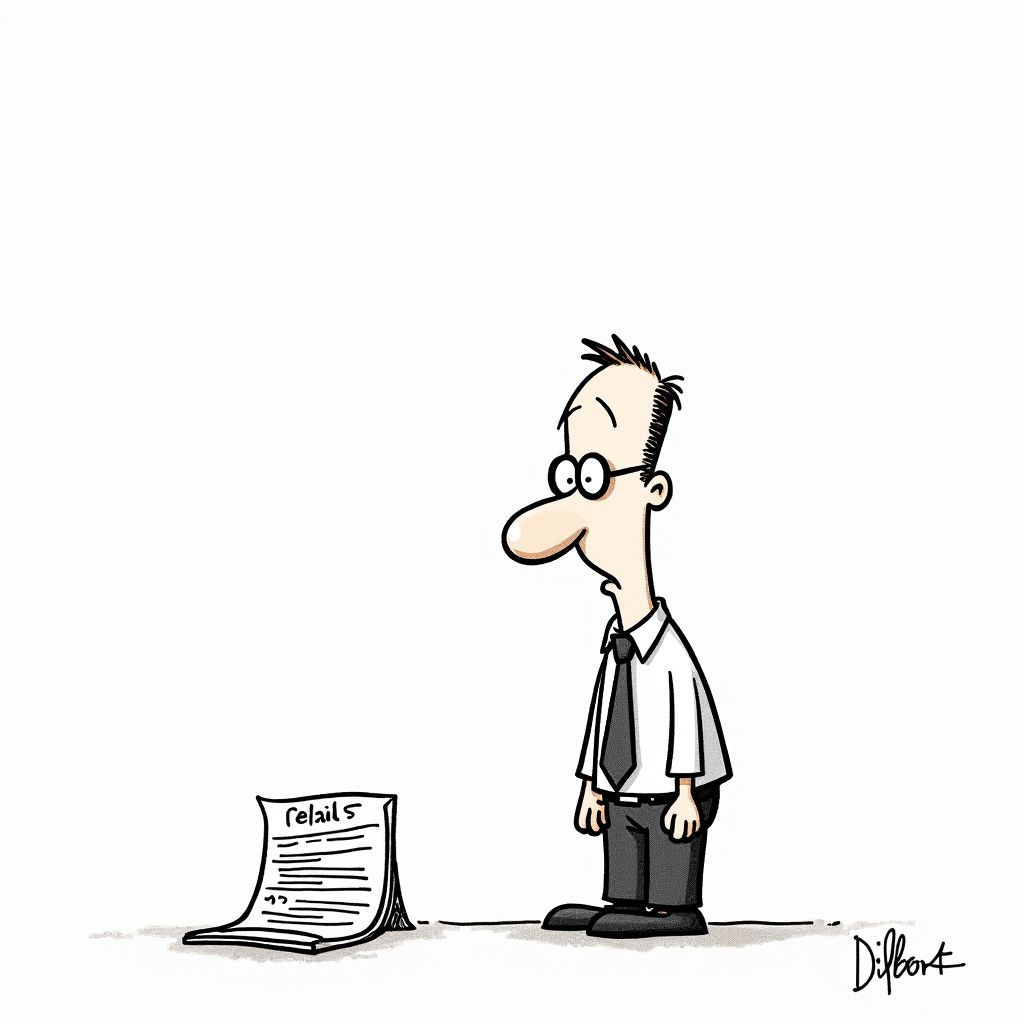
Pleasanton, Thursday, 15 January 2026.
Scott Adams passed away Tuesday at 68. Though he revolutionized corporate satire, his legacy was ultimately reshaped by a 2023 cancellation following racist remarks that dismantled his syndication empire.
End of a Corporate Era
Adams died on Tuesday, January 13, 2026, at his home in Pleasanton, California, a fact confirmed by his ex-wife, Shelly Miles Adams, via livestream [1][2]. He had been receiving hospice care following a diagnosis of metastatic prostate cancer, a condition he first disclosed to the public in May 2025 [1][5]. The disease, which eventually spread to his bones, claimed the cartoonist’s life at the age of 68 [5]. In a final note read on his podcast, Adams reflected on his mortality, stating that he had “gave it everything” he had and expressing a desire for his work to be paid forward [3][5].
The Business of Cubicle Culture
Before his pivot to polarizing commentary, Adams monetized the frustrations of the American workforce with unprecedented success. Armed with an MBA from the University of California, Berkeley, he worked in corporate roles at Crocker National Bank and Pacific Bell before resigning in 1995 to focus on Dilbert full-time [1][3]. The strip, which launched in 1989 with distribution in a mere 35 newspapers, expanded into a syndication giant carried by approximately 2,000 publications in 65 countries at its zenith [1][7]. The brand’s commercial valuation was significant, evidenced by its central role in a $30 million advertising campaign for Office Depot in 1997, as well as a merchandising portfolio that included an animated series and the “Dilberito,” a frozen food product that ultimately failed to gain market traction [2][7].
Asset Devaluation and Political Pivot
The economic trajectory of Adams’ career collapsed in February 2023, when his intellectual property became toxic to publishers following a YouTube livestream in which he labeled Black Americans a “hate group” and advised white people to “get the hell away” from them [3][7]. The market reaction was swift and absolute: his distributor, Andrews McMeel Universal, severed ties, removing the comic from 1,400 newspapers immediately [3]. Major media conglomerates, including the USA Today Network and the Los Angeles Times, ceased publication of the strip, while his literary agent and book publishers ended their professional relationships, effectively demonetizing a brand that had been profitable for over three decades [4][5].
Sources
- www.advocate.com
- www.nytimes.com
- www.sfchronicle.com
- lunch.publishersmarketplace.com
- www.nbcnews.com
- www.washingtonpost.com
- www.npr.org