France and Italy Pivot to Direct Diplomacy with Iran to Stabilize Global Oil Markets
Paris, Friday, 13 March 2026.
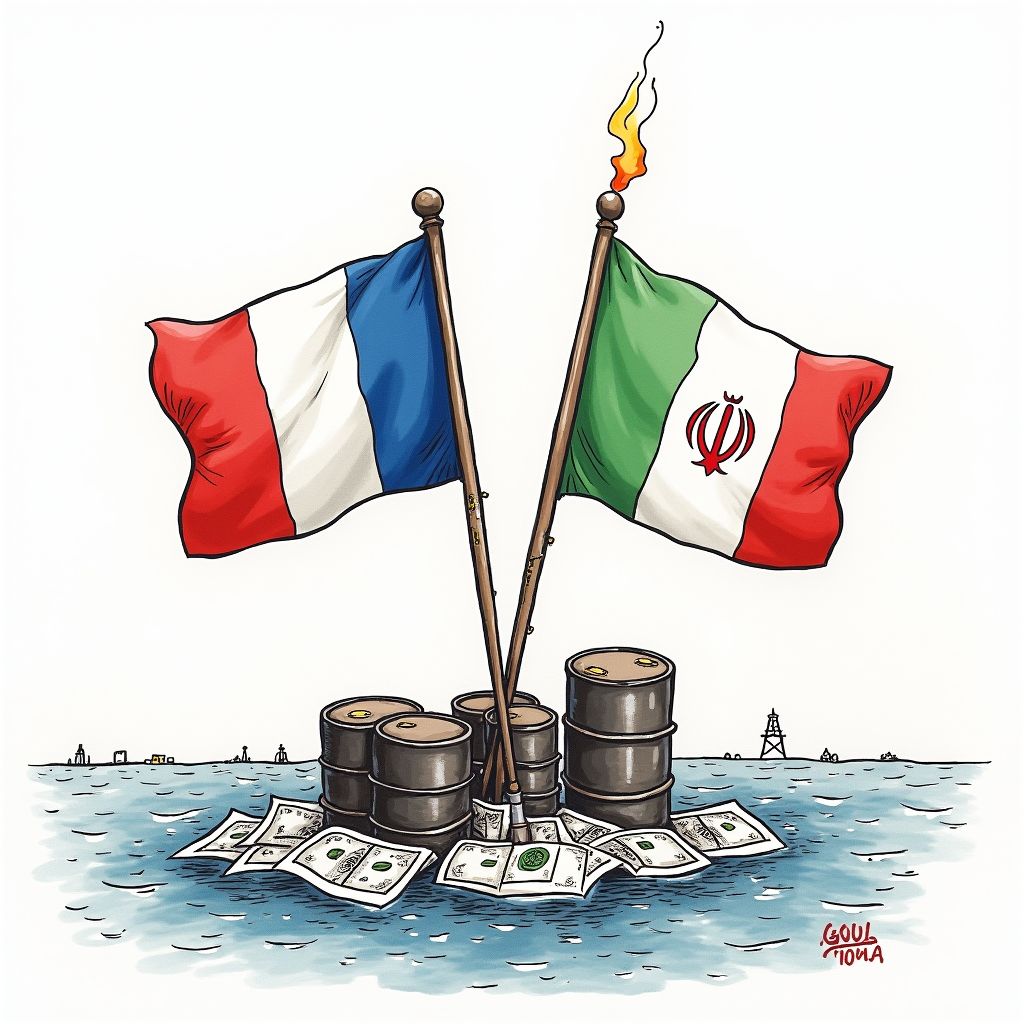
France and Italy are directly negotiating with Iran to reopen the Strait of Hormuz, diverging from U.S. policy as the G7 releases a record 400 million barrels of oil.
A Chokepoint Paralyzed
The Strait of Hormuz, a critical artery through which one-fifth of global crude oil flows, has effectively ceased commercial operations [2]. Following recent Israeli and American bombardments on Iran, alongside Iranian retaliatory strikes, the strait has become an active war zone [3]. Iran’s newly appointed supreme leader has explicitly ordered the waterway to remain closed [1][2]. The human and economic toll is already mounting; a recent attack on two oil tankers off the coast of Iraq resulted in the death of at least one crew member, while shrapnel ignited a fire aboard a cargo vessel [2]. Consequently, hundreds of tankers and container ships are currently stranded on both sides of the chokepoint, unable to transit as of March 10, 2026 [3].
Navigating the Diplomatic Divide
In a pragmatic maneuver aimed at restarting critical energy shipments, France and Italy have initiated direct negotiations with Iran [1]. This European effort to carve out a safe passage agreement for their commercial vessels highlights a growing urgency to insulate regional supply chains from the broader Middle Eastern conflict [1]. However, this approach stands in stark contrast to the rhetoric emerging from Washington. U.S. President Donald Trump has publicly stated that halting the “evil empire” of the Islamic Republic takes precedence over managing crude oil prices [2].
Historic Market Intervention
To mitigate the severe economic fallout of the ongoing conflict, the G7 has authorized an unprecedented market intervention [3]. Strategic petroleum reserves are specialized stockpiles of crude oil maintained by nations to provide economic security during severe energy crises [GPT]. Building on discussions initiated on March 3, 2026, the coalition finalized a decision to release 400 million barrels of oil from these reserves [3]. This massive deployment is the largest release since strategic reserves were established [3]. It is meticulously calibrated to offset the supply shock, representing approximately 20 days’ worth of the oil volume that typically passes through the Strait of Hormuz [3].