How Smart Home Tech Could Slash Your Insurance Bills
Seattle, Friday, 19 June 2026.
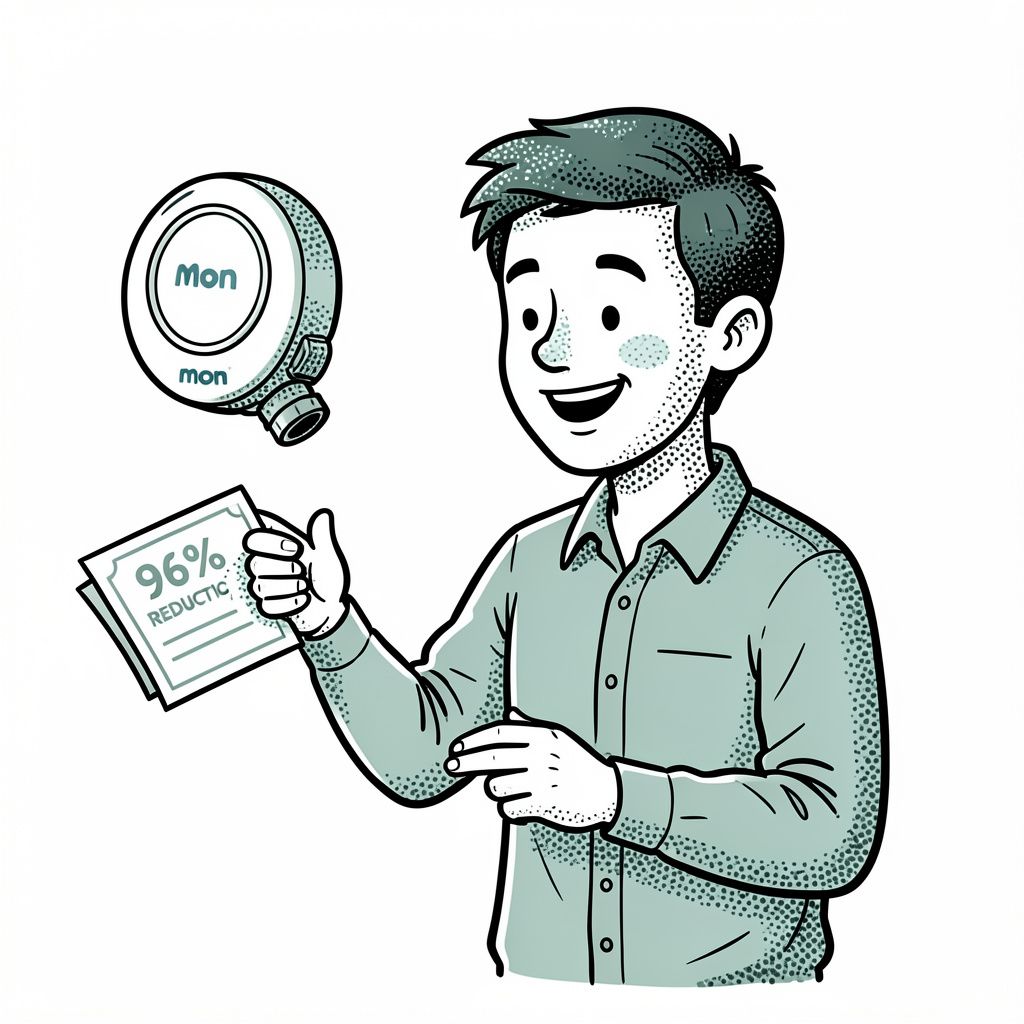
A Seattle insurer is teaming up with Moen to offer smart water leak detectors that cut claims by 96%. Starting June 2026, policyholders get automatic shutoff tech at a discount—turning prevention into savings. The bold move could redefine home insurance nationwide.
The Water Damage Crisis in Home Insurance
Water damage remains one of the most persistent and costly challenges for homeowners and insurers alike. In the United States, water-related claims account for nearly 29% of all home insurance losses, with the average claim exceeding $11,000 [GPT]. For insurers like Seattle-based PEMCO Mutual Insurance, these claims represent not just financial losses but a recurring headache that strains resources and drives up premiums for policyholders [1]. The partnership with Moen, announced on 18 June 2026, targets this issue head-on by integrating smart home technology into insurance risk management—a strategy that could redefine how insurers approach preventive care [1].
How Moen’s Flo Shutoff Technology Works
Moen’s Flo Shutoff device is a smart water monitoring system that learns a home’s water usage patterns over time. Using advanced sensors and machine learning algorithms, the system detects abnormalities such as running water, microleaks, or unusual flow rates that could indicate a leak or burst pipe [1]. When an anomaly is detected, the device automatically shuts off the home’s water supply and sends real-time alerts to the homeowner via the Moen Flo App [1]. This proactive approach contrasts sharply with traditional insurance models, which typically respond only after damage has occurred. A third-party study cited by PEMCO found that homes equipped with Flo Shutoff technology experienced 96% fewer water damage claim events, a statistic that underscores the potential of preventive measures in reducing risk [1].
A Win-Win for Insurers and Homeowners
For PEMCO members, the partnership translates into tangible financial benefits. Starting in June 2026, policyholders can purchase the Moen Flo Shutoff device at a preferred rate through Moen’s website [1]. Additionally, PEMCO is offering up to $1,000 annually toward covered plumbing repairs under eligible homeowner policies, further incentivizing adoption of the technology [1]. Jennifer Hawton, a spokesperson for PEMCO, emphasized the insurer’s shift toward prevention: “Insurance is there when you need it—but our goal is to help members need it less. At PEMCO, we see our role as more than showing up after something goes wrong. We see it as helping our members and our broader community build the habits and use the tools that prevent those moments from happening in the first place” [1]. This philosophy aligns with a broader industry trend where insurers are increasingly leveraging Internet of Things (IoT) devices to mitigate risks before they escalate into costly claims.
The Broader Implications for the Insurance Industry
PEMCO’s partnership with Moen is not an isolated case but part of a growing movement within the insurance sector to embrace smart home technology. Industry analysts suggest that this collaboration could set a precedent for other regional insurers, particularly those serving markets with high exposure to water damage risks, such as the Pacific Northwest [1]. The integration of IoT devices into insurance offerings reflects a fundamental shift from reactive claims processing to proactive risk management. Jeff Barnes, Vice President of Affinity Partnerships at Moen, captured this sentiment: “At Moen, we believe that ‘Prevention Today’ is the only way to ensure ‘Peace of Mind Tomorrow’ for the modern homeowner. Our partnership with PEMCO Insurance empowers policyholders with a direct line to protection” [1]. If successful, this model could accelerate the adoption of smart home technologies across the insurance industry, potentially lowering premiums for homeowners while improving insurers’ bottom lines.
Challenges and Considerations
Despite the promising potential of smart home technology in insurance, several challenges remain. Privacy concerns are paramount, as IoT devices collect and transmit sensitive data about homeowners’ water usage patterns [alert! ‘No specific privacy policies disclosed in provided sources’]. Additionally, the upfront cost of devices like the Moen Flo Shutoff—even at a discounted rate—may be prohibitive for some homeowners, particularly those in lower-income brackets [1]. There is also the question of scalability: while the technology has proven effective in reducing claims, its widespread adoption will depend on insurers’ ability to demonstrate clear, long-term savings for policyholders. Nonetheless, the PEMCO-Moen partnership represents a significant step toward a more preventive and data-driven approach to home insurance.
Looking Ahead: The Future of Smart Home Insurance
As smart home technology continues to evolve, its integration into insurance products is likely to expand beyond water damage prevention. Devices that monitor fire risks, air quality, and even structural integrity are already entering the market, offering insurers new avenues for risk mitigation [GPT]. For homeowners, this could mean lower premiums, fewer claims, and greater peace of mind. For insurers, it represents an opportunity to reduce losses and improve customer retention. The PEMCO-Moen partnership, with its focus on prevention and collaboration, may well serve as a blueprint for the future of home insurance—a future where technology and insurance work hand in hand to protect homes before disaster strikes.