State Drug Price Caps Could Endanger Pharmacy Supplies and Patient Care, New Study Warns
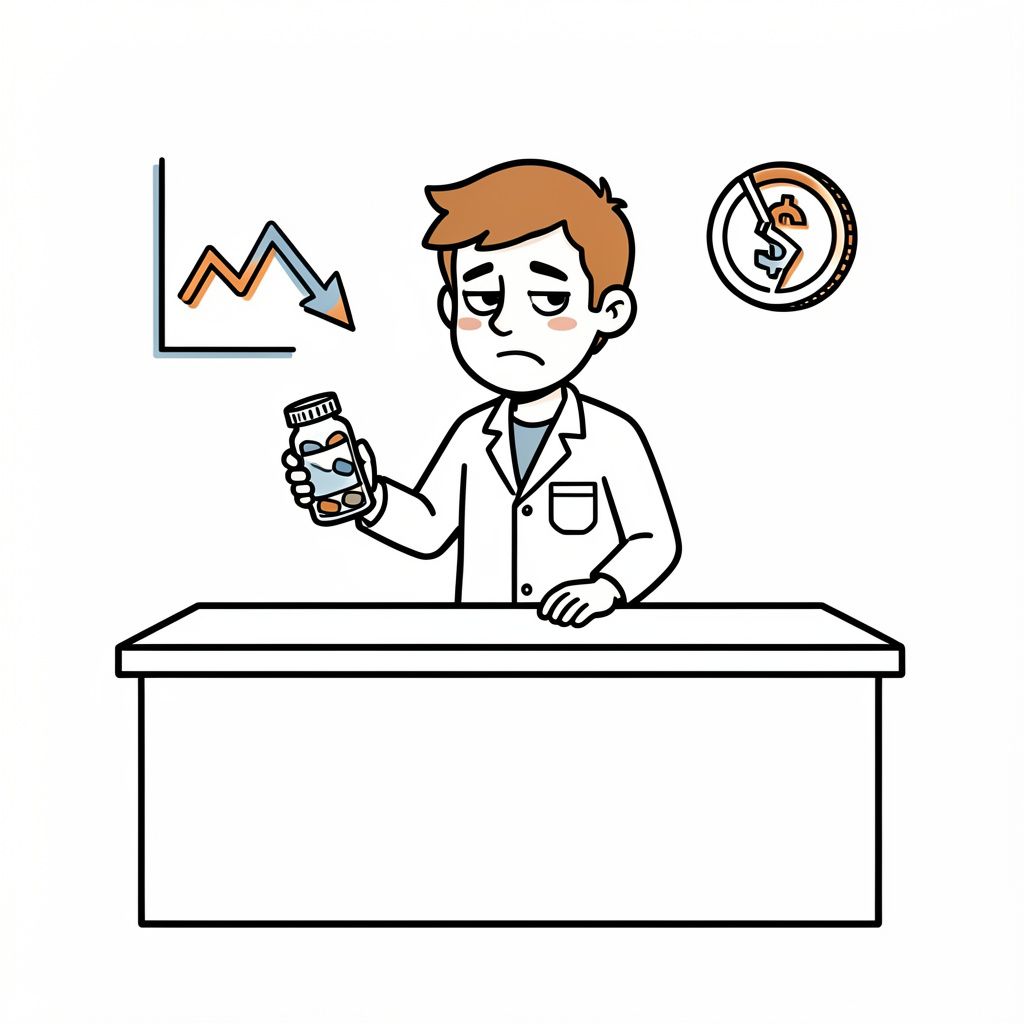
Washington, Thursday, 20 August 2026.
A new analysis warns that state drug price caps fail to lower pharmacy buying costs, threatening community pharmacies with financial instability and risking reduced insurance coverage for patients.
State Drug Price Caps Could Endanger Pharmacy Supplies and Patient Care, New Study Warns
A new analysis warns that state drug price caps fail to lower pharmacy buying costs, threatening community pharmacies with financial instability and risking reduced insurance coverage for patients [1]. Released on August 19, 2026, by the National Pharmaceutical Council (NPC), the report details how state-level Prescription Drug Affordability Boards and price caps like Upper Payment Limits could create unintended market consequences [1]. The analysis highlights potential risks to healthcare providers, retail pharmacies, and patient care access, warning corporate leadership and policymakers that price controls may destabilize biopharmaceutical investment and supply distribution nationwide [1].
Mechanics of Upper Payment Limits
Upper Payment Limits (UPLs) are defined as a maximum reimbursement amount for specific payers, capping reimbursement but not mandating lower acquisition costs for pharmacies or providers [1]. This structure risks the financial viability of pharmacies and providers by capping payer reimbursement rates while acquisition costs remain unchanged [1]. Consequently, smaller community and rural entities, which operate on tighter margins, may be forced to limit or cease stocking UPL-regulated drugs [1]. Additionally, NPC analysis of 14 PDAB-selected drugs indicates that UPL implementation risks reduced patient access, including potential removal of drugs from formularies and shifts to higher cost-sharing tiers [1].
State-Level Implementation and Legal Challenges
Four U.S. states have established PDABs with authority to set UPLs: Colorado, Maryland, Minnesota, and Washington, while additional legislation regarding PDABs has been debated in Virginia and Illinois [1]. Currently, no UPLs are in effect, as a federal judge previously blocked a Colorado panel from capping the price of an arthritis and autoimmune treatment [1]. Prescription Drug Affordability Boards are implementing Upper Payment Limits at inconsistent rates, creating uncertainty regarding patient access, legal challenges, and system-wide health care impacts [1]. This regulatory fragmentation complicates the economic landscape for national pharmacy chains and insurers operating across state lines [1].
Broader Economic Implications
While recent reports suggest prescription drug prices have posted their biggest drop in 60 years, the NPC warns that price controls may destabilize biopharmaceutical investment [1][2]. Federal price-setting efforts, such as the Inflation Reduction Act, serve as a cautionary model where early evidence indicates limited cost-sharing reductions while risking patient access through unfavorable tier placement [1]. Furthermore, advocacy groups are pushing for clearer distinctions between FDA-approved and compounded medications to strengthen patient protections amidst these policy shifts [3]. The convergence of state-level price caps and federal negotiation programs suggests a complex future for drug affordability and supply chain stability [1].