Hyland Unveils Enterprise Architecture to Modernize Diagnostic Medicine
Cleveland, Tuesday, 27 October 2026.
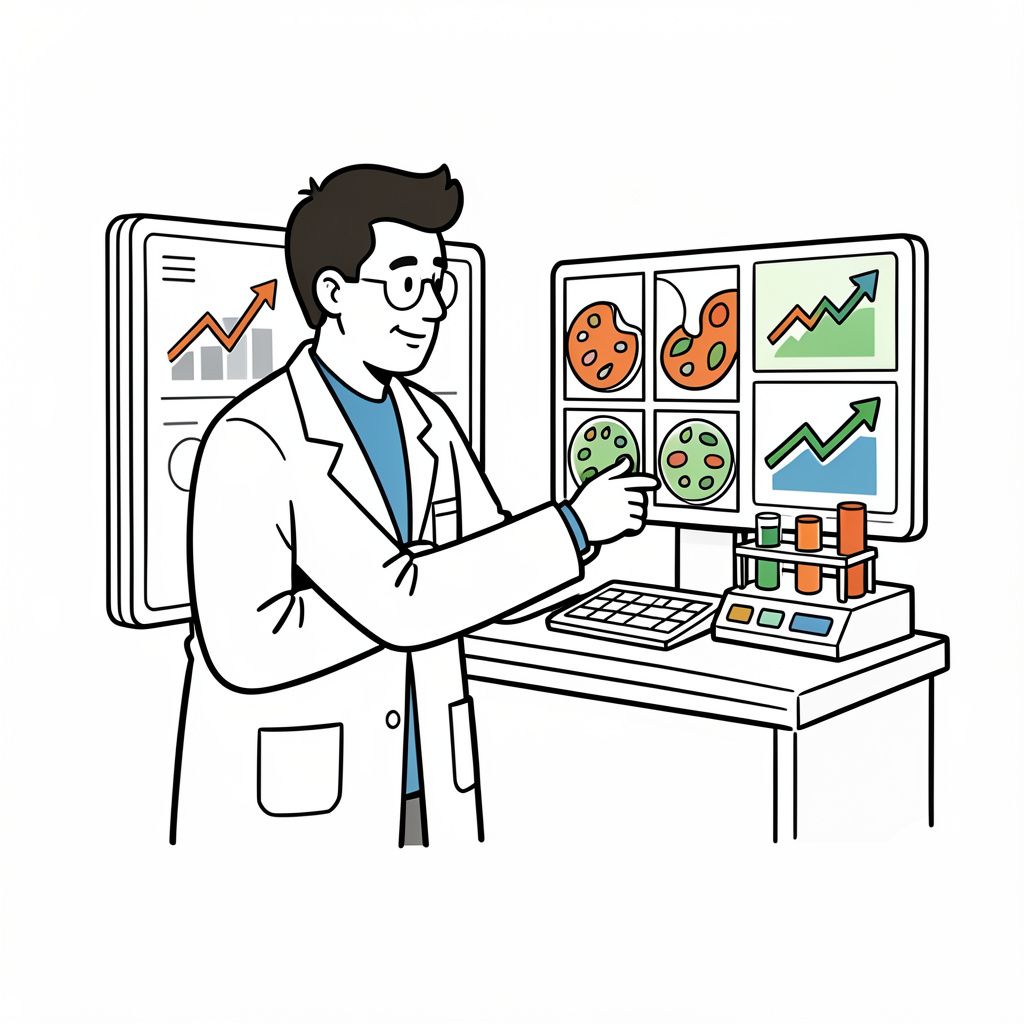
Despite workloads surging 42%, roughly 90% of laboratories still use glass slides. Hyland’s newly cleared platform integrates pathology directly into hospital imaging systems, eliminating critical bottlenecks.
A Diagnostic System Under Strain: The Case for Digital Transformation
Healthcare systems across North America are grappling with a critical imbalance: diagnostic workloads have escalated by 42% in recent years, yet approximately 90% of pathology departments continue to rely on analog glass slides for examinations, a method that has remained largely unchanged for over a century [1][2][3][5][7]. This stark disconnect is creating a cascade of operational bottlenecks that delay patient care and inflate costs. The strain is particularly acute given the concurrent shortage of pathologists, a situation that has worsened in nearly every developed healthcare market [alert! ‘regional variations in workforce shortages not quantified in sources’]. Digital pathology advocates argue that this reliance on physical media is no longer sustainable in an era where radiology, cardiology, and other imaging specialties have already transitioned to digital-first workflows.
Hyland’s Enterprise Pathology Platform: Connecting the Dots in Modern Medicine
In response to these challenges, Hyland—trading as a private enterprise without a publicly listed ticker—has announced on October 27, 2026, the commercial launch of its Hyland Digital Pathology platform, developed in partnership with French digital pathology leader Tribun Health. The solution represents a significant leap toward integrating pathology into the broader enterprise imaging ecosystem. Unlike standalone digital pathology tools, this architecture is designed to function as a governed, scalable platform that unifies pathology with radiology, cardiology, ophthalmology, and other specialized imaging domains within hospital systems [1][2][3][5][7]. Vinitha Ramnathan, Senior Vice President and General Manager of Healthcare Product Management at Hyland, emphasized this integration during the announcement: ‘Pathology belongs at the core of an enterprise medical imaging strategy’ [1][3][5][7]. The platform’s design removes departmental silos that have historically isolated pathology from other diagnostic workflows, enabling real-time collaboration across multiple locations and care teams.
Regulatory Clearances: Clearing the Last Major Barrier to Adoption
The commercial viability of Hyland Digital Pathology hinges on its comprehensive regulatory approvals. The platform has secured FDA clearance, Health Canada licensing, CE marking in the European Union, and registration with Australia’s Therapeutic Goods Administration (ARTG No. 531926) as a Class I software in vitro diagnostic (IVD) medical device—clearances that permit its use in primary diagnosis [1][2][3][5][6][7][8]. These endorsements are critical, as they validate the platform’s clinical reliability and compliance with stringent global standards. Jean-François Pomerol, CEO of Tribun Health, noted that digital pathology cannot scale as a departmental initiative: By integrating CaloPix® into Hyland’s enterprise imaging ecosystem, we are creating a practical path for healthcare organizations to modernize pathology while preserving the specialized workflows, clinical governance, and regulatory rigor that diagnosis demands [1][3][5][7].
Technical Architecture: A Vendor-Neutral Foundation for the Future
Under the hood, Hyland Digital Pathology is built on a vendor-neutral architecture that leverages Tribun Health’s CaloPix Image Management System (IMS), paired with Hyland’s Acuo Vendor Neutral Archive (VNA), NilRead universal viewer, and TeleSlide for remote diagnostics [1][2][3][5][7][8]. This modular design is engineered to support Petabyte-scale data volumes—critical for storing high-resolution digital slide images—while ensuring interoperability with existing laboratory information systems (LIS) and electronic medical records (EMR). The platform supports DICOM standardization, AI integration frameworks, and flexible deployment models, including cloud-based options [1][2][3][8]. Such flexibility is essential for health systems managing complex digital transformations across diverse clinical environments.
Operational Impact: Reducing Costs, Improving Speed, and Enhancing Outcomes
Hyland asserts that consolidating pathology within a broader enterprise imaging strategy can yield significant operational benefits, including reduced redundant data storage, streamlined governance, and lower administrative overhead [1][2][3][5]. By enabling telepathology and remote diagnosis, the platform allows pathologists to collaborate across geographies without compromising diagnostic accuracy or turnaround times. This is particularly relevant in rural and underserved regions where specialist pathology resources are scarce. The company estimates that eliminating standalone data silos and consolidating imaging archives can reduce long-term infrastructure costs while improving care coordination between pathologists and treating physicians [1][2][3][5].
Next Steps: From Launch to Mainstream Adoption
With the platform now commercially available across North America and Europe, Hyland is positioning itself for rapid market penetration. The company has scheduled live demonstrations at the Radiological Society of North America (RSNA) 2026 conference in Chicago, where attendees can experience the platform firsthand at booth #1322 from November 29 to December 2, 2026 [1][2][3][5]. These events are expected to accelerate adoption among health systems evaluating enterprise-grade solutions to modernize their diagnostic infrastructure. As Hyland’s Ramnathan stated, the goal is clear: ‘to bring critical diagnostic information closer to the teams making care decisions’ [1][3][5][7].
Sources
- www.newswire.com
- app.dealroom.co
- www.prnewswire.com
- www.instagram.com
- app.dealroom.co
- www.notimerica.com
- www.cloudcomputing-insider.de
- www.belgashare.be