Health Secretary Prioritizes Constitutional Rights Over Public Health Policies
Washington, Sunday, 2 August 2026.
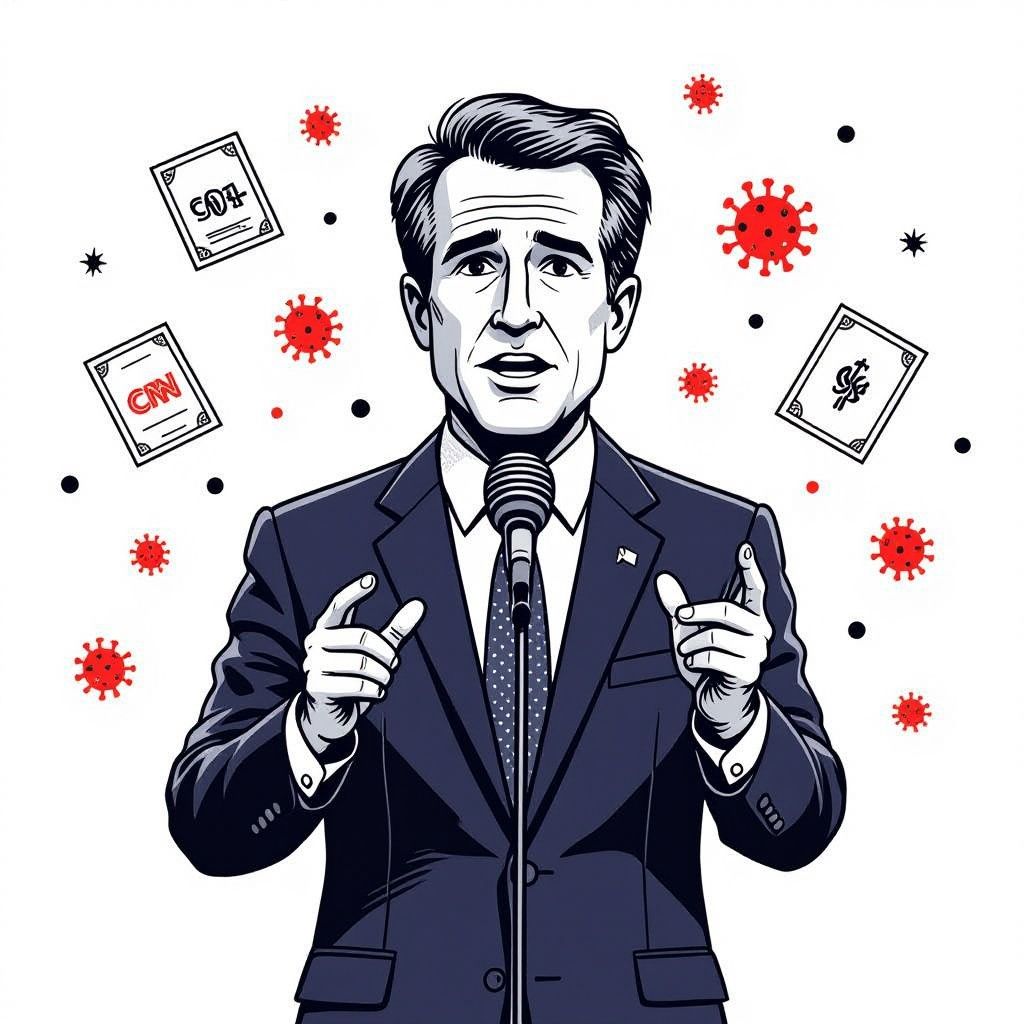
During an August 2, 2026 clash on CNN, Health Secretary Robert F. Kennedy Jr. asserted that constitutional rights supersede health mandates, blaming past lockdowns for ongoing measles outbreaks.
Introduction
On Sunday, August 2, 2026, Health and Human Services Secretary Robert F. Kennedy Jr. engaged in a contentious televised interview with CNN anchor Dana Bash [1]. During the broadcast, Secretary Kennedy asserted that constitutional rights must take precedence over federal public health mandates during crises [2]. This exchange highlights a significant philosophical divergence between the current administration’s health leadership and established media narratives regarding pandemic management [3]. The interview signals potential regulatory shifts for the healthcare sector, though no specific new policies were enacted during the broadcast [1].
Constitutional Rights vs. Federal Mandates
Secretary Kennedy argued that constitutional rights were violated during the pandemic response, specifically citing lockdown measures [5]. He criticized former health officials, including Dr. Anthony Fauci, suggesting their guidance contributed to overreach [5]. When pressed by Bash on the necessity of lockdowns due to overwhelmed hospitals, Kennedy maintained that such measures infringed on civil liberties [1]. This stance indicates an intent to prioritize individual liberty arguments in future health policy formulations rather than immediate regulatory changes [2]. The administration’s position suggests a departure from previous centralized health emergency protocols [3].
Vaccine Efficacy and Outbreak Attribution
The discussion shifted to vaccine efficacy, with Bash questioning Kennedy on the current measles outbreak [2]. Kennedy denied personal responsibility for vaccine hesitancy, attributing the outbreak to missed vaccinations during COVID-19 lockdowns [2]. While he vouched for the measles vaccine when directly challenged, he questioned existing research linking vaccines to autism, echoing unsubstantiated claims regarding acetaminophen use during pregnancy [2]. Bash countered with data suggesting vaccine disinformation contributed to thousands of deaths, a claim Kennedy dismissed as nonsense [2]. This exchange underscores ongoing tensions regarding public health communication strategies [4].
Media Accountability and Future Policy
Kennedy accused Bash and CNN of press malpractice for their coverage during the pandemic, labeling her part of the problem [3]. Bash defended the network’s reporting, stating she did not want to allow misinformation during the interview [2]. The heated nature of the exchange, described by observers as a crashout, suggests continued friction between the administration and major media outlets [4]. Despite the conflict, Bash noted that people made mistakes during the scary time of the pandemic, leaving room for potential bipartisan cooperation on future health security [1]. Stakeholders in the pharmaceutical and healthcare sectors are monitoring these signals for future compliance requirements [3].