European Central Bank Warns Environmental Damage Threatens Financial Stability
Frankfurt, Saturday, 1 August 2026.
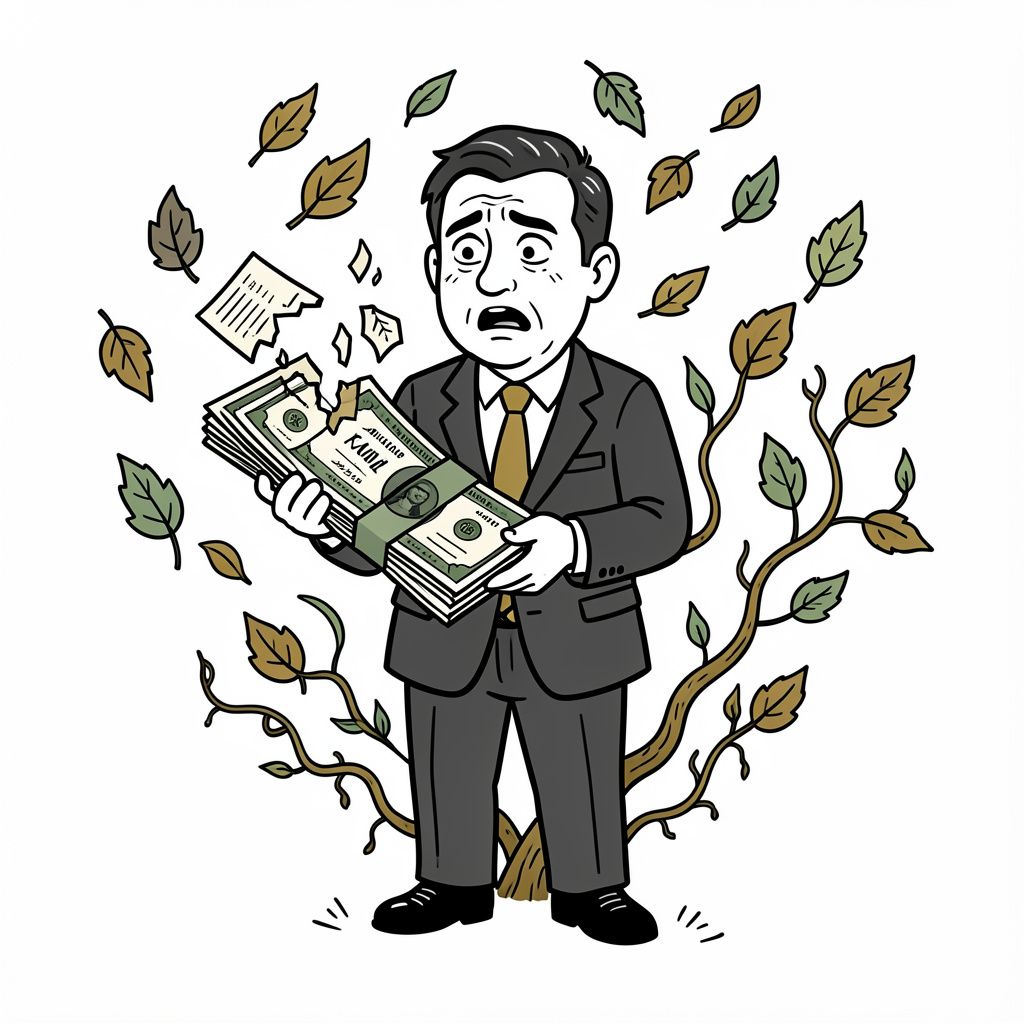
Nearly 75% of European corporate loans rely heavily on healthy ecosystems, prompting central bankers to warn that accelerating nature loss directly threatens global economic and financial stability.
Financial Stability Warning
European Central Bank Executive Board member Frank Elderson warned in an August 2026 interview that escalating environmental degradation and extreme climate events pose a direct threat to core global financial stability [1]. Highlighting the ongoing European wildfires, Elderson urged central banks and financial institutions to immediately integrate nature loss and biodiversity risks into their macroeconomic stress tests and monetary policy frameworks to prevent systemic shocks [1]. This warning comes as wildfires caused by record-breaking temperatures are currently active across France and Spain, resulting in significant economic damage and human toll as of 31 July 2026 [1]. The ECB official emphasized that nature-related risks can pose material economic and financial risks, including through their impacts on credit risk, growth, inflation and, over the long-term, potential financial instability [1].
Economic Exposure to Nature Loss
The economic dependence on natural systems is profound, with the World Bank estimating that approximately 50% of global GDP depends on biodiversity, natural capital, and ecosystem services [4]. In the euro area, nearly 75% of corporate lending by banks is directed toward firms highly dependent on at least one ecosystem service [4]. ECB research using AnaCredit data reveals that 19% of euro area bank loans are exposed to surface water scarcity, increasing to 22% when groundwater scarcity is included [4]. Furthermore, surface water scarcity alone threatens up to 24% of euro area economic output [4]. A Banque de France study indicates ecosystem service disruptions in France could raise food prices by more than 2% and inflation by approximately 0.5% [4]. In Spain, extreme weather and environmental degradation at Mar Menor caused more than €4 billion in real estate losses, which is 10 times higher than the income generated from converting surrounding land to irrigated farmland over the last 20 years [4].
Diverging Regulatory Approaches
Regulatory frameworks are shifting, with distinct approaches emerging between the United States and Europe. On 22 July 2026, the California Air Resources Board proposed narrowing mandatory Scope 3 emissions reporting to 5 of 15 categories for the California Corporate Greenhouse Gas Reporting Program due to cost and data availability concerns [2]. Conversely, the European Parliament is currently debating omnibus changes to the Corporate Sustainability Reporting Directive that could reduce the number of companies required to report climate and emissions data [6]. ECB official Frank Elderson warned that excluding too many firms from the CSRD could impair the availability of comparable information about important parts of the economy [6]. Meanwhile, California’s Cap-and-Invest program has generated $36.2 billion in revenue for climate initiatives since 2014, with 76% of distributed funds targeting disadvantaged and low-income communities [2].
Supervisory Priorities and Stability
Despite political headwinds, the ECB announced on 31 July 2026 that climate and nature risks will remain core to its supervisory priorities [6]. The ECB intends to publish research in the coming months analyzing the deterioration of bank credit portfolios in sectors most affected by dwindling ecosystems [4]. Supervisory teams will continue to track progress and urge banks to implement sound practices across all material portfolios, geographical areas, and risk categories, covering both physical and transition risks [6]. Elderson stated that destroying nature equates to destroying the core on which economies depend, framing it as core economics and core financial stability rather than a peripheral concern [1]. The ECB has initiated a program to assess financial system exposure to ecosystem service degradation and intends to publish analysis on ecosystem degradation pathways and their impact on eurozone bank credit loss dynamics later in 2026 [1].
Sources
- www.theguardian.com
- news.ballotpedia.org
- www.theguardian.com
- www.ecb.europa.eu
- www.linkedin.com
- greencentralbanking.com