Hundreds of Thousands Join Mass Rally in Iran as Military Enlistment Rises
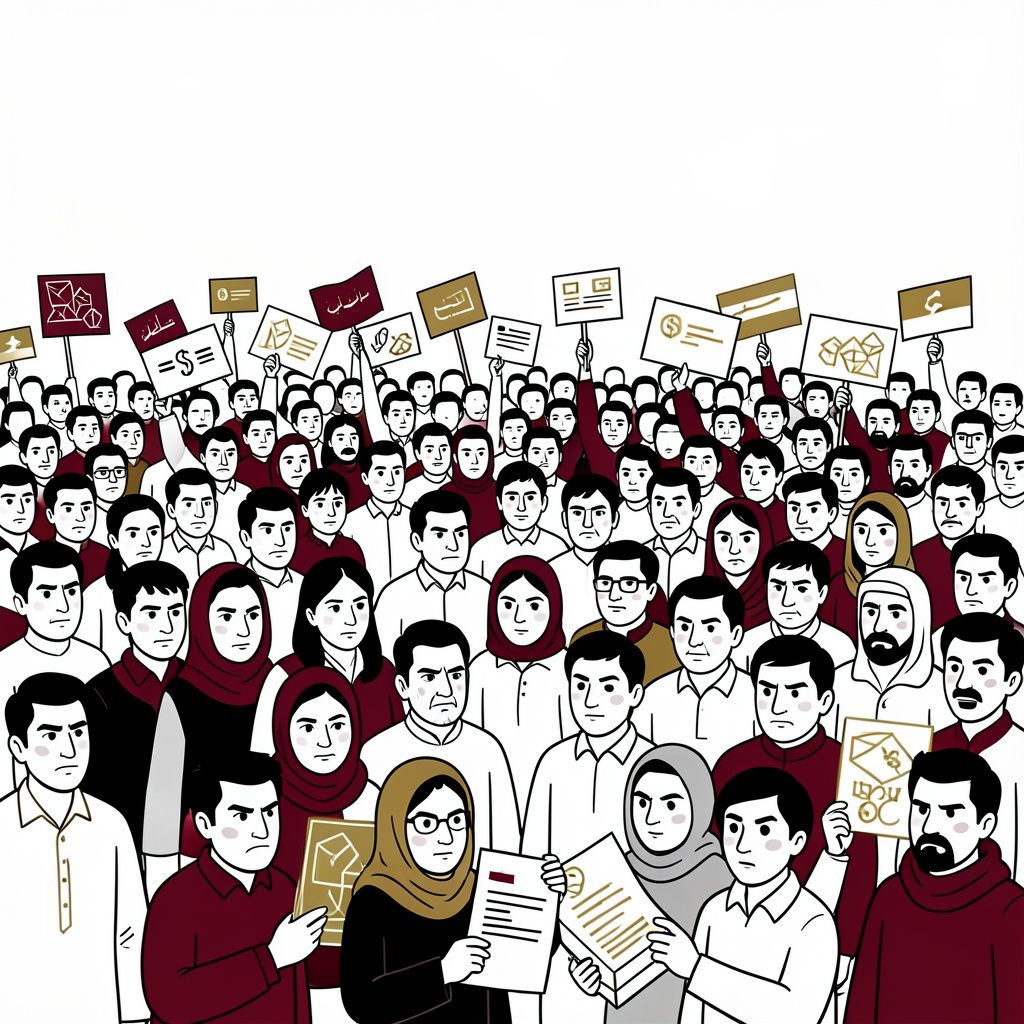
Tehran, Friday, 18 September 2026.
Over 300,000 Iranians joined state-organized rallies in Tehran, as officials reported 600,000 volunteers enlisting for military training following months of escalating conflict with the United States.
State-Organized Mobilization in Tehran
On September 18, 2026, hundreds of thousands of Iranians gathered in Tehran for a government-organized show of defiance following months of conflict [1]. Participants pledged their readiness to take up arms, signaling a concerted effort by state authorities to consolidate internal support amidst external pressure [1]. Footage from the event, shared by state-affiliated media, depicted large crowds including traditional community groups known as ‘Luti’ participating in the procession [4]. Hossein Taeb, head of the Basij militia, stated that volunteers would be ready for ‘full-fledged defense’ and indicated that similar rallies would soon take place in other cities [1].
Military Enrollment and Volunteer Targets
General Hassan Hassanzadeh, a Guard chief, reported that over 600,000 people have registered for military training under the ‘Janfaday-e Iran’ initiative [1]. The program aims to reach a target of 1 million participants, with state media indicating that training with assault rifles is scheduled to begin soon [1]. In May 2026, Iranian government officials claimed that more than 30 million individuals volunteered via online forms or public gatherings, a figure representing approximately 33.333 percent of the total population of 90 million [2]. However, The Associated Press noted it could not independently verify this volunteer figure [2].
Escalating Regional Tensions
President Donald Trump stated on Thursday, September 17, 2026, that he was weighing renewed large-scale strikes on Iran as China intensified diplomatic contacts [3]. This potential escalation follows the initiation of the 2026 Iran war by the United States and Israel on February 28, 2026 [2]. A memorandum of understanding signed on June 17, 2026, intended to end hostilities within 60 days, became defunct in July 2026 after Iran attacked three commercial vessels [2]. Consequently, conflict resumed, leading to the current heightened state of alert in the region [2].
Economic Impact and Maritime Disruption
The conflict has caused severe disruptions to traffic through the Strait of Hormuz, a critical oil chokepoint [2]. Global oil prices rose from approximately $70 per barrel pre-war to an average of $103 per barrel by March 2026, representing a price increase of 47.143 percent [2]. Maritime traffic in the region remains approximately 90 percent lower than pre-war levels, according to UK Maritime Trade Operations reports from September 2026 [1]. Internal civil unrest persists within Iran, with security forces increasing their presence in Tehran to suppress dissent following reports of leadership changes [2].