Belarus Rejects Trump's Claim of a Major Fertilizer Trade Deal
Minsk, Tuesday, 22 September 2026.
Belarusian President Alexander Lukashenko denied U.S. President Donald Trump’s claims of a major discounted potash fertilizer deal, stating all export supplies are already fully committed to other global markets.
Lukashenko Denies Availability Amidst Trade Claims
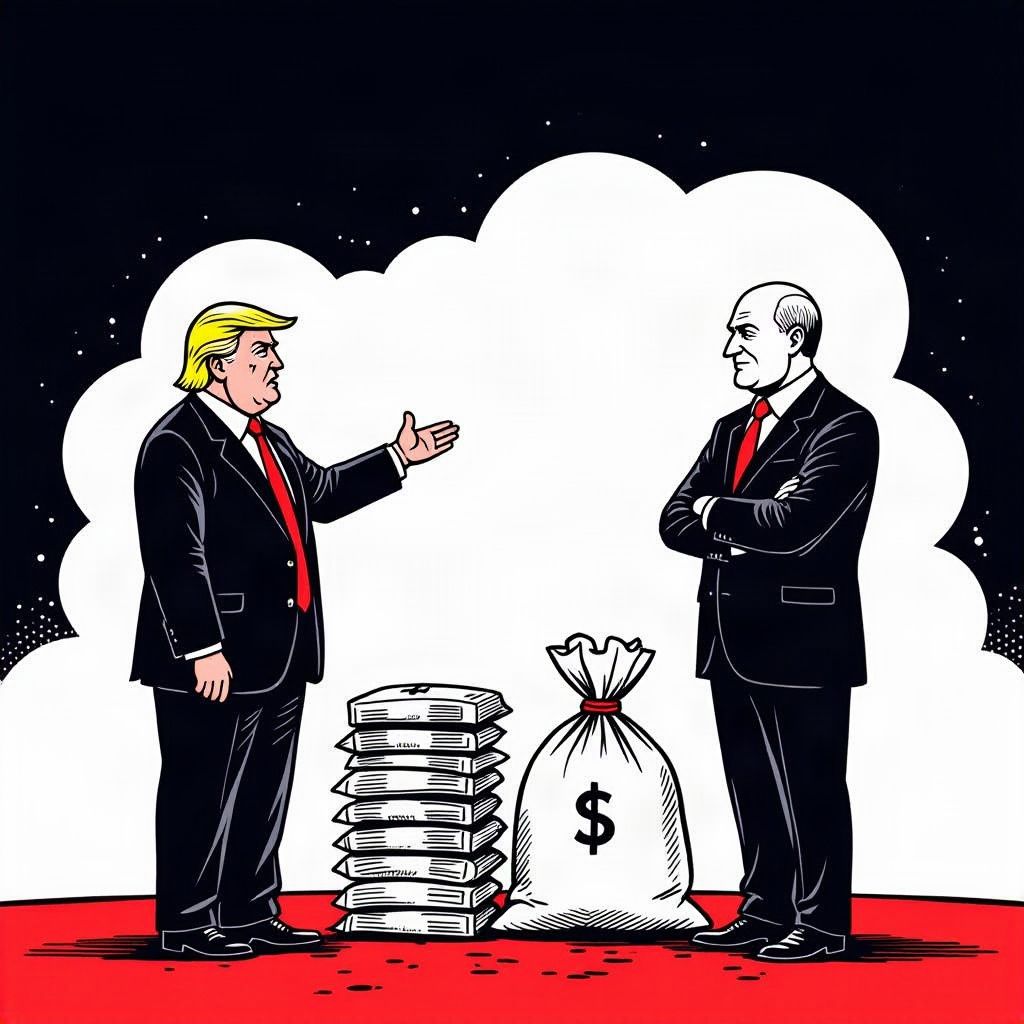
Belarusian President Alexander Lukashenko explicitly denied the feasibility of a proposed potash fertilizer trade deal with the United States during a meeting on Monday, September 21, 2026 [1]. The Belarusian leader stated that there are no available volumes of fertilizer to send to the U.S. because all export capacities are currently contracted to other markets [1]. This statement directly contradicts claims made by U.S. President Donald Trump, who had announced plans for a massive agreement to purchase potash from Minsk at a steep discount [2]. The contradiction highlights ongoing uncertainties surrounding global agricultural supply chains and United States efforts to secure critical fertilizer inputs amid strict geopolitical sanctions [1][3].
Background on U.S. Trade Negotiations
This development serves as an update to previous reporting on U.S. efforts to secure cheaper Belarusian potash to lower farming costs, which detailed initial negotiations and tariff disputes [GPT]. President Trump originally announced the potential deal on Monday, September 14, 2026, framing it as leverage in trade disputes with Canada, the current primary supplier [2][5]. The U.S. President claimed via social media that the pricing would be substantially less than what is currently paid to Canada, promising good news for farmers and ranchers [3][6]. However, the logistical reality suggests significant hurdles remain for such an agreement to materialize effectively [4].
Market Constraints and Logistics
President Lukashenko clarified that even if Belarus wanted to supply potash to Western markets, the volumes simply do not exist as everything is contracted [1]. The Belarusian President confirmed that export volumes are already fully committed to primary importers including China, India, and Indonesia [4]. Furthermore, shipping costs for Belarusian potash remain high due to sanctions and the closure of key ports, such as the port of Klaipeda in Lithuania [2][4]. Analysts note that while the U.S. seeks a bulk agreement, the ability to transport these materials remains a critical bottleneck [4].
Supply Chain Dependencies
The United States is heavily dependent on Canadian imports for potash, with over 85% of U.S. supply originating from mines in Saskatchewan, Canada [4]. This leaves a remaining portion of 15 percent of the supply chain open to other sources or domestic production [4]. Canada supplies most of the potash used by American farmers, making it the world’s largest potash supplier [3][5]. Disrupting this established supply chain involves significant logistical challenges, including reliability and transportation infrastructure during critical application windows [4].
Diplomatic Exchanges and Sanctions
Talks led by U.S. envoy John Coale have previously seen Belarus President Alexander Lukashenko pardon political prisoners in exchange for the easing of U.S. sanctions on Belarusian firms [3]. On September 13, 2026, Coale met with Lukashenko and secured the release of 25 prisoners, missing the target of 200 releases mentioned in earlier reports [1]. The Trump administration had lifted economic sanctions on Belarusian potash exports in December 2025, a move linked to the release of over 100 political prisoners at that time [6]. Despite these diplomatic efforts, Lukashenko maintains that there are no political prisoners in Belarus, complicating the human rights narrative surrounding the trade deal [1].
Analyst Perspectives on Feability
Industry experts suggest the impact of a Belarusian deal would be limited given current market conditions [2]. Josh Linville, a fertilizer analyst at StoneX, noted that the U.S. has not struggled to find potash and has more than enough to go around [2]. He emphasized that if the product cannot get out of the country due to logistical constraints, the deal remains a hollow point [4]. Ultimately, it is the market that decides how much potash will be needed, rather than political announcements alone [4].