Houthi Ultimatum and Missile Strike Threaten Global Energy Markets
Sanaa, Saturday, 28 March 2026.
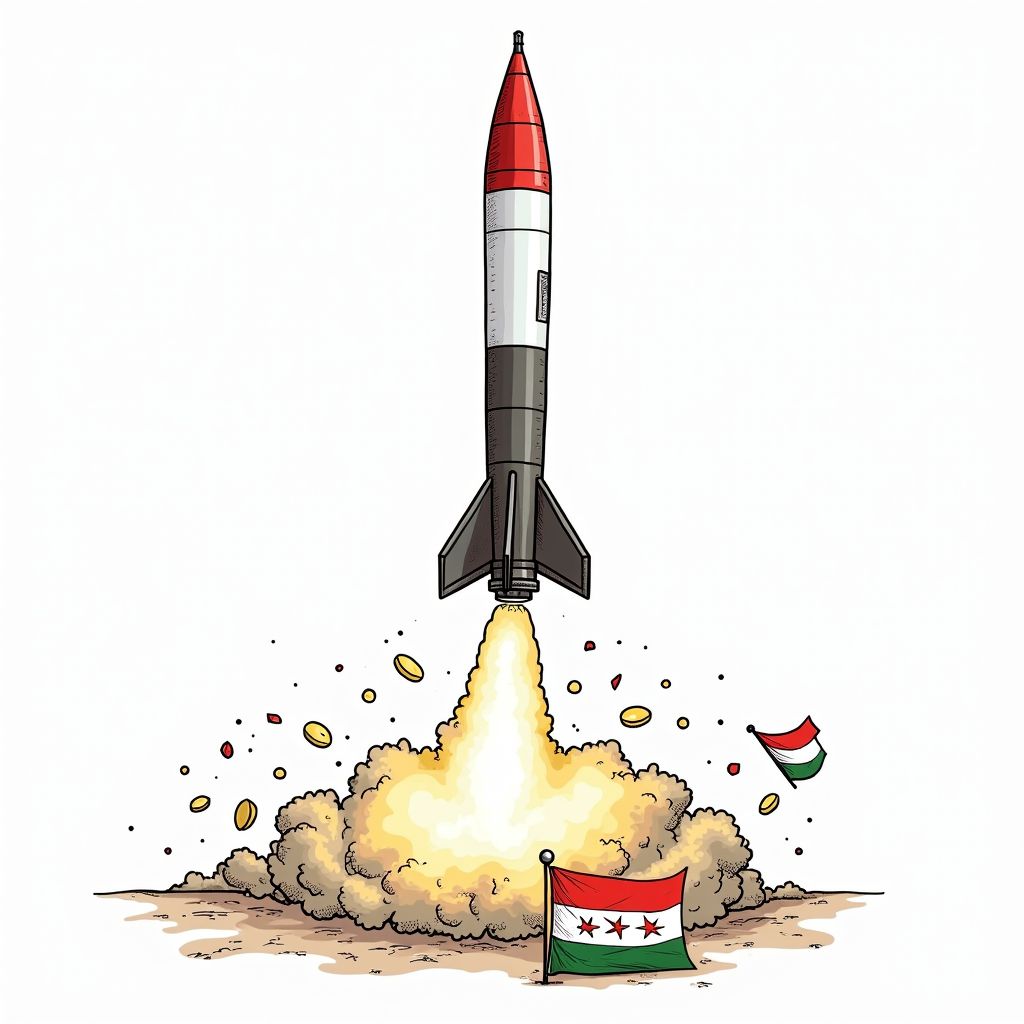
Yemen’s Houthi rebels have launched their first missile at Israel, warning they will fully enter the Iran conflict if provoked, threatening severe disruptions to global energy and shipping markets.
The Three Red Lines and a Trigger Warning
On Friday, March 27, 2026, the Iran-aligned Houthi militant group issued a stark ultimatum, warning that their “fingers are on the trigger” for direct military intervention [1][2][8]. In a televised address, Houthi military spokesperson Yahya Saree outlined three specific “red lines” that would trigger their full entry into the ongoing war between Iran, the United States, and Israel [1][2]. First, the group demanded that Middle Eastern countries refrain from joining U.S. and Israeli operations against Iran [1]. Second, they explicitly forbade the use of the Red Sea for hostile operations against the Islamic Republic or any Muslim nation [1][2]. Finally, the Houthis demanded an end to the broader military escalation against Iran and the wider “Axis of Resistance” [1][2].
Economic Shockwaves and Chokepoint Threats
For global markets, the prospect of Houthi intervention presents a catastrophic risk to energy supply chains. Following the outbreak of the Iran conflict, the vital Strait of Hormuz was shut down, causing oil and fuel prices to skyrocket [1]. In the wake of this closure, the Red Sea emerged as the critical alternative route for transporting Saudi Arabian crude oil to Asian markets [7]. A renewed Houthi blockade in the Red Sea would effectively cut off this secondary artery, threatening to halt all Saudi oil cargoes bound for Asia and plunging global energy markets into severe volatility [7].
A Widening Regional Conflagration
The Houthi mobilization threatens to widen a conflict that has already inflicted devastating damage over the past month. Since hostilities began on February 28, 2026, the Israeli Defense Forces have dropped over 12,000 bombs across Iran, including 3,600 munitions on Tehran alone, while U.S. Central Command has struck more than 9,000 targets [6]. The civilian toll has been severe; human rights organizations report that 1,464 civilians, including at least 217 children, have perished in the first month of the campaign [6]. To contextualize the scale of this bombardment, children account for roughly 14.822 percent of the reported civilian casualties [6]. Concurrently, Iranian citizens are enduring a nationwide internet blackout, leaving many unable to access vital civil defense information [6][8].
Sources
- thehill.com
- www.aljazeera.com
- www.youtube.com
- www.dw.com
- www.youtube.com
- www.bbc.com
- www.afr.com
- www.foxnews.com