Israeli Strike Targets Iran's Supreme Leader Succession Meeting
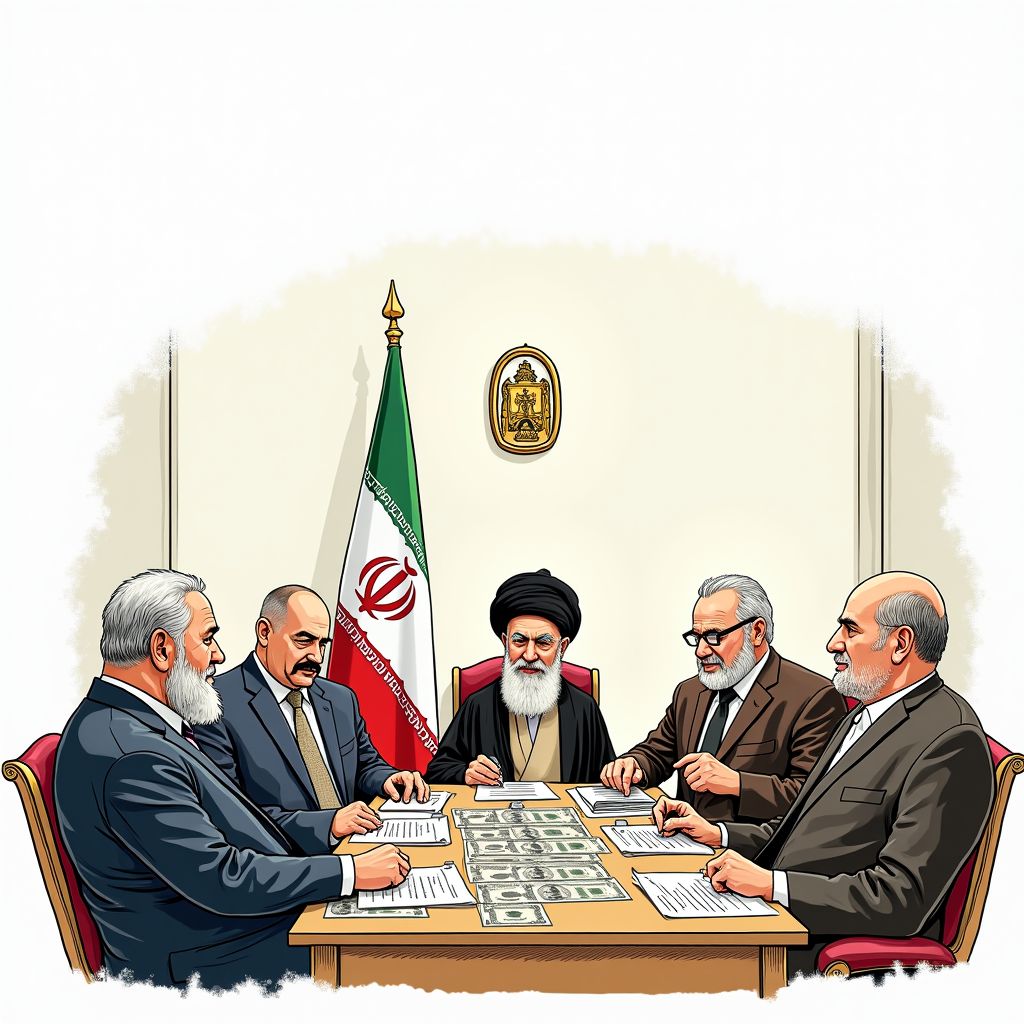
Qom, Tuesday, 3 March 2026.
On March 3, 2026, Israeli forces reportedly struck Iran’s Assembly of Experts in Qom during a session to select Ayatollah Khamenei’s successor. Reports indicate the building was ‘flattened.’
Leadership Vacuum Deepens as Qom Strike Disrupts Succession
In a dramatic escalation of hostilities on Tuesday, March 3, 2026, Israeli military forces targeted the heart of Iran’s religious leadership, reportedly striking the Assembly of Experts in Qom [1]. The 88-member clerical body, constitutionally mandated to select the Supreme Leader, was convening to deliberate on a successor following the reported death of Ayatollah Ali Khamenei just a day prior [2][3]. Israeli officials confirmed to news agencies that the facility was targeted while the assembly was in session, with footage circulating on social media showing the structure effectively “flattened” [2][4]. While Iranian state media acknowledged the attack on the building in Qom, they offered a conflicting narrative, asserting that the facility was not in use at the time of the strike [1]. This decapitation attempt against the clerical elite marks a pivot from military targets to the very continuity of the Islamic Republic’s governance.
Context: A Widening Regional War
This development follows the commencement of “Operation Epic Fury,” a coordinated U.S.-Israeli offensive that has already sent shockwaves through global markets. As detailed in our previous report, Energy Markets Reel as US-Israel Strikes on Iran Widen Middle East Conflict [https://wsnext.com/2f238c3-Geopolitics-Defense/], the initial phase of this conflict severely disrupted transit through the Strait of Hormuz and spiked energy prices. The strike on Qom, however, suggests a strategy aimed at inducing total regime collapse rather than merely degrading military capabilities.
The Battle for Succession
The urgency of the Assembly’s meeting in Qom was driven by the death of 86-year-old Supreme Leader Ali Khamenei, reportedly killed in the initial wave of U.S. and Israeli strikes reported on March 2 [3]. The succession process is fraught with internal political tension; the Assembly was reportedly vetting candidates, including Hassan Khomeini, the 53-year-old grandson of the Republic’s founder [3]. Hassan Khomeini has been viewed as a moderate figure within the clerical establishment, having previously criticized the Guardian Council and called for transparency regarding civil unrest, though he recently defended the regime against external threats [3]. By striking the Assembly during these critical deliberations, Israel appears to be attempting to sever the chain of succession, potentially leaving the Islamic Republic without a clear head of state during its most vulnerable moment.
Retaliation on the Home Front
As the offensive enters its fourth day, the conflict has intensified within Israeli borders as well [5]. On Tuesday, air raid sirens sounded across central Israel as fragments from intercepted missiles struck 18 separate locations, injuring at least five people [5]. Bomb disposal experts are currently managing multiple impact sites across the Tel Aviv District, where falling munitions sparked fires and caused structural damage [5]. This retaliatory fire underscores that despite the severe blows to its leadership structure, Iran retains the capability to launch significant counter-attacks against Israeli population centers.
Strategic Timeline Shifts
The intensity of the exchange has forced a recalibration of the war’s expected duration. While initial assessments provided to Israeli cabinet ministers suggested the operation was designed to last approximately one week, military planners are now preparing for a much longer engagement [6]. Senior Israeli officials indicate that the country is now “preparing for war with Iran until Passover,” which begins on April 1, 2026 [8]. This extended timeline, echoed by suggestions from U.S. leadership that hostilities could continue for several weeks, indicates that the rapid collapse of the Iranian regime—once hoped for if Khamenei were eliminated—has not immediately materialized in a way that ends the fighting [6][8].
Sources
- www.bloomberg.com
- www.jpost.com
- parsi.euronews.com
- www.instagram.com
- english.news.cn
- www.timesofisrael.com
- news.am