U.S. Weighs Winding Down Iran Operations Amid Global Shipping and Oil Uncertainty
Washington, D.C., Saturday, 21 March 2026.
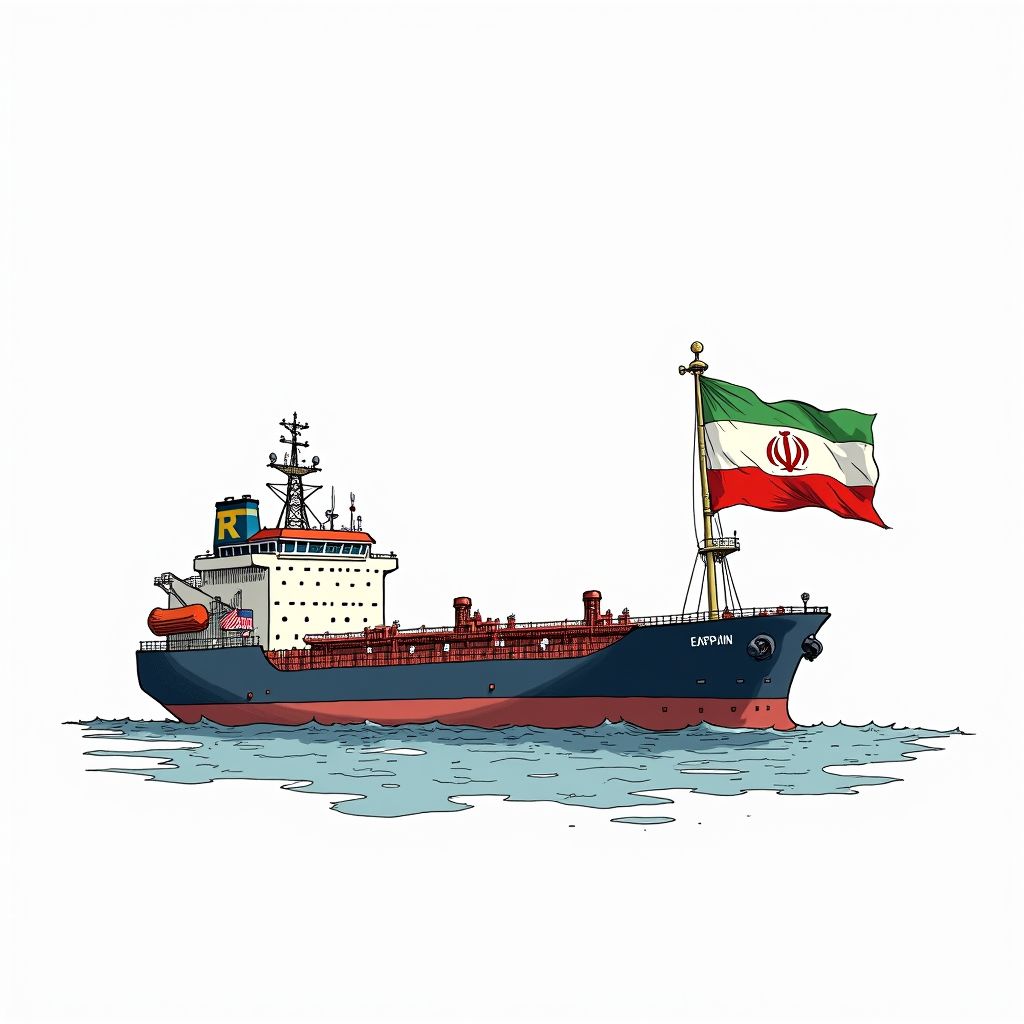
While rejecting a ceasefire, the U.S. may wind down Iran operations. Trump’s demand for allies to police the Strait of Hormuz introduces severe uncertainty for global energy markets.
Shifting the Burden of Maritime Security
A central theme of the administration’s current strategy is the protection of the Strait of Hormuz, a critical artery for global oil shipments [GPT]. Trump has made it clear that the U.S. will not shoulder the burden of policing this waterway alone, stating that the strait “will have to be guarded and policed, as necessary, by other Nations who use it” [1]. During a March 20 meeting at the White House with Japanese Prime Minister Sanae Takaichi, Trump urged Japan, along with China and NATO, to participate in escorting ships [1]. The President expressed frustration with international partners, describing the securing of the strait as a “simple military maneuver” requiring ships and volume, while simultaneously labeling NATO allies as “cowards” for their reluctance to join the mission [1][2][3]. Trump even remarked that the U.S. “don’t need” the Strait of Hormuz after facing rejection from allies to help escort vessels [3].
Strategic Targets and Broader Geopolitical Risks
As the U.S. and Israel weigh their next steps, market analysts are closely monitoring potential targets that could further disrupt global energy supply chains [GPT]. One focal point is Kharg Island in the Persian Gulf, a strategically vital hub for Iran’s oil network [3][4]. When questioned by reporters on March 20 about potential plans for U.S. forces to target the island, Trump remained elusive, stating, “I may have a plan, I may not,” while acknowledging that it is “certainly a place that people are talking about” [3]. Any direct assault on this infrastructure could trigger an unprecedented shock to oil markets, exacerbating the inflation of gas prices seen thus far [alert! ‘economic forecasting involves inherent uncertainty’][5].