Minnesota Pipeline Rupture Intensifies Scrutiny on Fossil Fuel Safety and Grid Resilience
Minneapolis, Sunday, 18 January 2026.
The January 16, 2026, explosion of a Northern Natural Gas pipeline near Willow River, Minnesota, has exposed critical vulnerabilities within the U.S. energy grid. While the incident resulted in no injuries, it severed heating services for hundreds of customers during winter, necessitating emergency interventions. Beyond the immediate operational failure, the blast has reignited fierce opposition to fossil fuel expansion. Environmental groups, including 7 Directions of Service, are citing this failure to challenge pending infrastructure projects like the MVP Southgate and SSEP in North Carolina. For energy markets, this event highlights the growing intersection of operational safety, regulatory pressure, and the reputational risks inherent in maintaining midstream assets.
Operational Failure and Immediate Market Impact
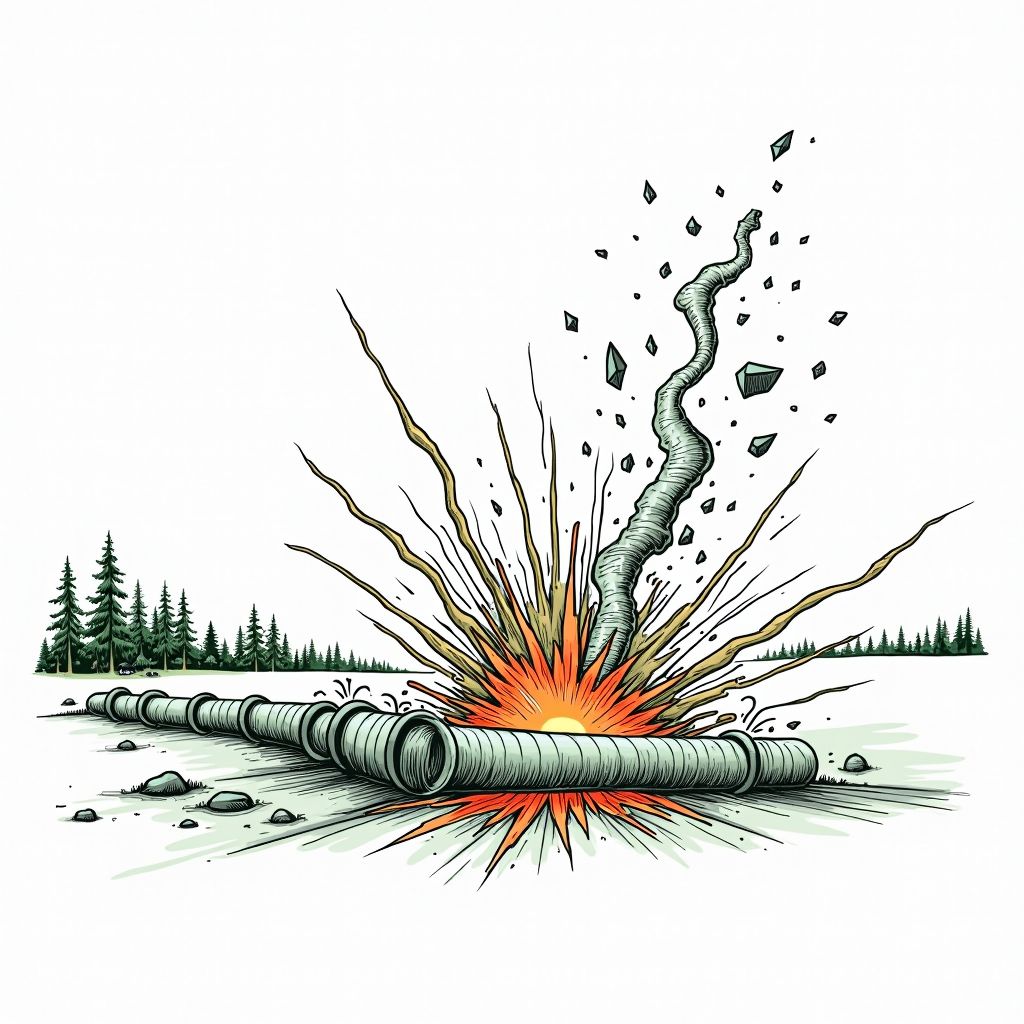
The incident occurred at approximately 1:43 p.m. on Friday, January 16, 2026, when a transmission pipeline operated by Northern Natural Gas ruptured and exploded in Pine County, Minnesota, about 40 miles southwest of Duluth [1][2]. The blast, which produced fireballs visible for miles, took place near Willow River and prompted immediate evacuations of nearby residences [2][8]. While local authorities, including the Pine County Sheriff’s Office, confirmed that there were no injuries and no foul play is suspected, the event represents a significant breach in asset integrity for the midstream sector [2][8]. The pipeline failure immediately severed natural gas supplies to the region, forcing Minnesota Energy Resources to interrupt service to a customer base estimated between 500 and 650 households [2][3][5].
Regulatory Headwinds and Infrastructure Opposition
Beyond the immediate localized disruption, the Willow River explosion is acting as a flashpoint for broader regulatory and environmental debates concerning U.S. energy infrastructure. Advocacy groups are leveraging this specific failure to bolster arguments against proposed fossil fuel projects in other states. Specifically, the Indigenous-led nonprofit 7 Directions of Service has cited the Minnesota incident to intensify opposition against the Southeast Supply Enhancement (SSEP), the Mountain Valley Pipeline Southgate (MVP Southgate), and the T-15 pipeline in North Carolina [1]. Dr. Crystal Cavalier-Keck, the organization’s Executive Director, argued that the explosion reinforces a pattern of risk, stating that communities are being asked to accept “unacceptable risks” for projects that undermine climate stability and public health [1].
Sources
- www.einpresswire.com
- kstp.com
- www.cbsnews.com
- www.youtube.com
- www.wdio.com
- www.youtube.com
- www.kare11.com
- www.fox21online.com