Donald Trump Leaks Senator's Phone Number Over Time Standard Debate
Washington, Sunday, 4 October 2026.
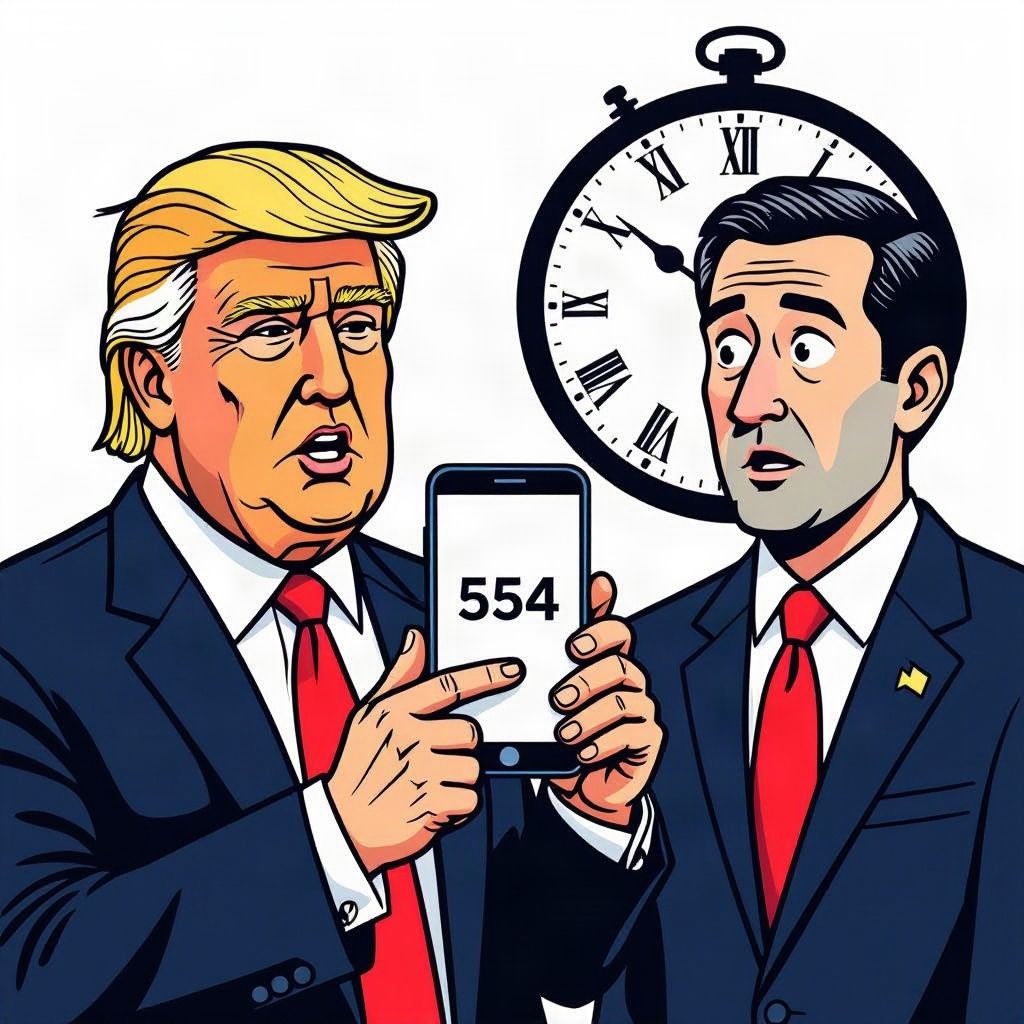
Donald Trump publicly shared Senator Tom Cotton’s cellphone number to force movement on the Sunshine Protection Act, which aims to make daylight saving time permanent nationwide.
Escalation in Washington Time Policy Debate
On Saturday, 3 October 2026, former President Donald Trump publicly disclosed the personal mobile phone number of Arkansas Republican Senator Tom Cotton on social media [1][2]. This aggressive maneuver was intended to pressure Senator Cotton into supporting the Sunshine Protection Act, legislation aimed at making daylight saving time permanent across the United States [3][4]. The incident highlights a significant escalation in legislative friction regarding federal time standards, with Trump urging constituents to contact Cotton directly to demand action [5][6].
Legislative Status and Timeline
The Sunshine Protection Act previously passed the U.S. House of Representatives in July 2026 but has faced substantial opposition in the Senate [2][4]. While the House vote demonstrated significant support, the measure requires Senate approval to proceed, where Senator Cotton has utilized his position to block progress [3][5]. Trump characterized the current biannual clock-changing system as discombobulating and costly, framing the legislation as a priority for economic and social stability [1][6].
Legislative Friction and Public Pressure
Senator Cotton has reiterated his opposition to the bill, citing safety concerns regarding dark winter mornings for schoolchildren and workers [2][3]. He referenced historical precedents from the 1970s when Congress enacted permanent daylight saving time but repealed it following public dissatisfaction with late sunrises [4][5]. Cotton stated that Arkansans do not want children going to school in the pitch dark, emphasizing a commitment to putting his state’s interests first [6].
Economic and Industry Arguments
Conversely, Trump has argued that permanent daylight saving time would benefit industries such as sports and tourism, specifically noting the needs of the PGA Tour [4][5]. PGA Tour CEO Brian Rolapp supported the legislation, claiming it would generate approximately $1 billion in new annual direct revenue for the sport [6]. Trump emphasized that golfers, tennis players, and farmers require more afternoon daylight to complete activities efficiently [2][6].
Historical Precedents and Safety Concerns
Public opinion data from a 2025 AP-NORC poll indicates that only 12% of U.S. adults favor the current clock-changing system, while 47% oppose it [2][3]. Despite this, legislative history shows that previous attempts to make daylight saving time permanent were reversed due to safety and practicality issues during winter months [3][5]. Senator Cotton warned that failing to learn from this history could lead to repeated policy failures [4].
Political Context and Future Outlook
Senator Cotton is up for reelection in November 2026, though the race is not currently considered competitive given Trump’s previous 34-point victory margin in Arkansas [2]. Senate Majority Leader John Thune has expressed skepticism that the measure can secure the 60 votes required to advance in the chamber [6]. As of 4 October 2026, the legislation remains stalled, with Trump continuing to leverage public pressure to influence Senate Republicans [1][5].