Supreme Court Justices Clash Over the Rise of Expedited Presidential Rulings
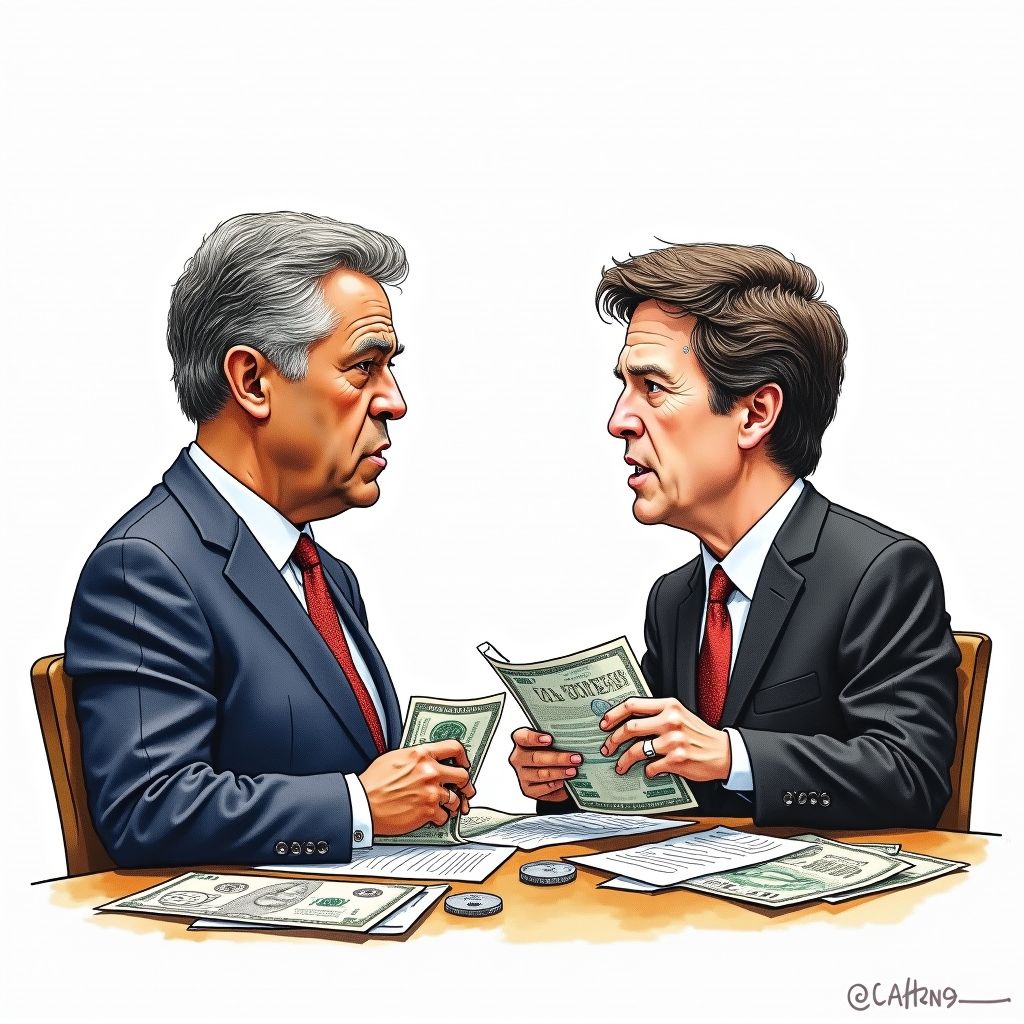
Washington, Tuesday, 10 March 2026.
Justices Jackson and Kavanaugh debated expedited court rulings this week. Notably, the Supreme Court has backed the Trump administration in 80% of these rapid, highly contested emergency cases.
The Mechanics of the ‘Shadow Docket’
On Monday, March 9, 2026, the ideological divide over these expedited rulings was laid bare during a judicial lecture at a federal courthouse in Washington, D.C. [1][2]. The debate, moderated by U.S. District Judge Paul Friedman, centered on the court’s increasing reliance on emergency orders—often colloquially termed the “shadow docket” [1][2]. This process allows the justices to render rapid decisions without the comprehensive briefing and oral arguments typical of the court’s standard procedures [2]. In recent months, the court’s 6-3 conservative majority has frequently utilized this mechanism to permit policies from President Donald Trump’s administration to proceed after being initially blocked by lower courts [2][3].
Executive Action and Congressional Gridlock
Presenting a contrasting perspective, conservative Justice Brett Kavanaugh, 61—who is 6 years older than the 55-year-old Jackson—defended the court’s actions as a necessary, albeit burdensome, byproduct of modern American governance [2]. “None of us enjoys this,” Kavanaugh stated, emphasizing the immense strain placed on the justices when handling complex, closely divided emergency cases [2]. He attributed the surge in emergency appeals not to judicial overreach, but to systemic political dysfunction; specifically, he argued that a gridlocked U.S. Congress has forced successive presidents to rely heavily on executive actions to enact their agendas [1][2]. Kavanaugh maintained that the court’s stance must remain consistent regardless of the political party occupying the Oval Office, noting that critics were often less vocal when emergency rulings favored Biden administration policies [2].
Real-World Impacts on Policy and Governance
For the broader American public and civil servants, the Supreme Court’s willingness to grant these expedited requests has immediate, real-world consequences. By lifting lower court injunctions, the Supreme Court has allowed President Trump to rapidly advance key components of his current political agenda, particularly concerning immigration enforcement, federal agency restructuring, and the management of the federal workforce [2][3]. As a result of these swift policy shifts and court-sanctioned executive actions, federal workers are presently facing a period of intense instability characterized by job cuts and sweeping structural changes [4].