Trump Launches Gaza Reconstruction Initiative as Major European Allies Decline Participation
Washington D.C., Thursday, 19 February 2026.
While securing $5 billion in pledges today, the inaugural Board of Peace meeting highlighted a transatlantic rift as key European powers refused full membership in the US-led body.
Financial Commitments Meet Diplomatic Resistance
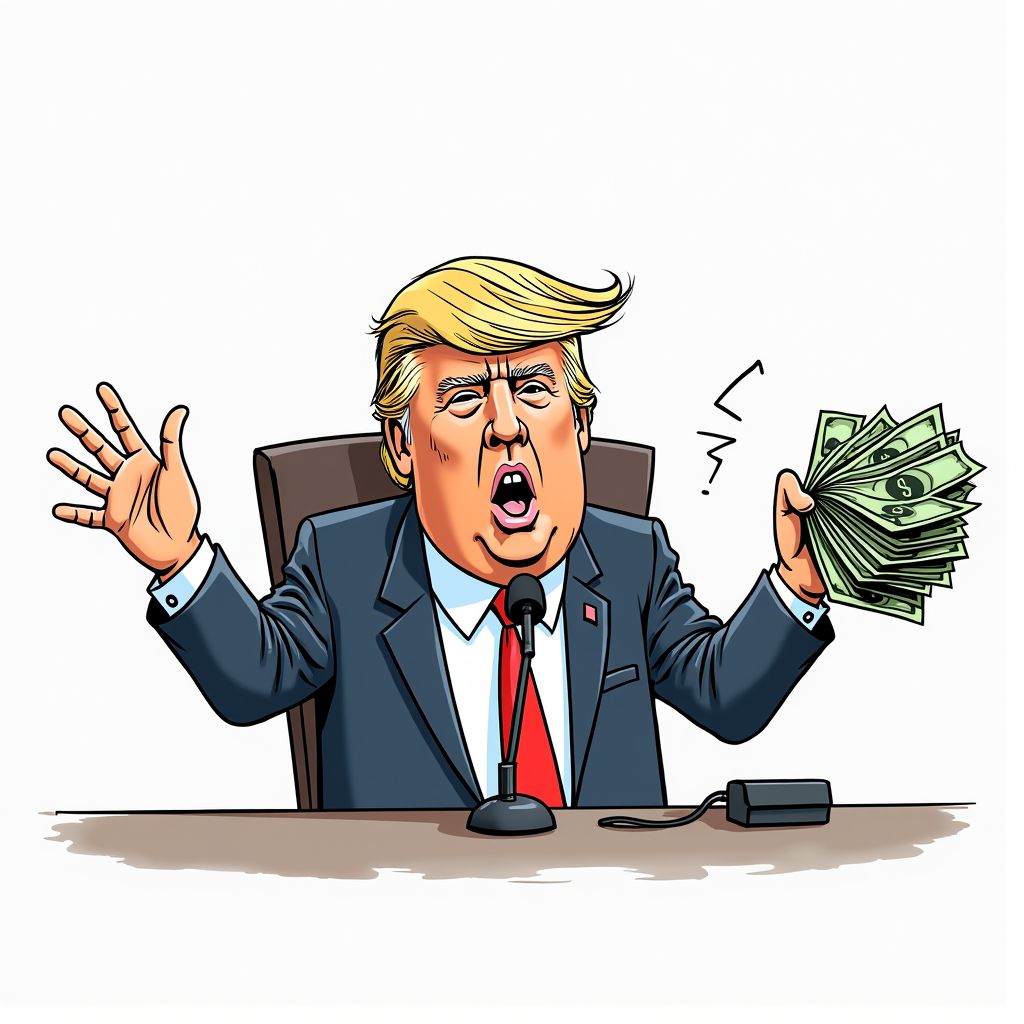
President Donald Trump convened the inaugural meeting of the Board of Peace in Washington, D.C., on Thursday, February 19, 2026, securing pledge commitments from member states totaling over $5 billion for the reconstruction of Gaza [1][3]. While the administration touted this figure as a significant step, it stands in stark contrast to the estimated $70 billion the United Nations calculates is necessary to rebuild the Palestinian territories [3]. This disparity leaves a funding gap of approximately 92.857% regarding the total estimated requirement [3][6]. The meeting, held at the U.S. Institute of Peace, was attended by representatives from over 40 countries, yet it was marked by the conspicuous absence of traditional Western allies who have expressed skepticism regarding the board’s mandate and structure [5][8].
A Transatlantic Split in Strategy
The composition of the attendees highlights a deepening rift in transatlantic foreign policy. Major European powers, including the United Kingdom and France, declined invitations to join the board, criticizing its funding mechanisms and potential conflict with existing international bodies [1][5]. Conversely, the European nations of Germany, Italy, Norway, and Switzerland opted to attend merely as observers rather than full members [8]. This diplomatic distance was further emphasized by the Vatican, which announced earlier this week that it would not join the board, with Cardinal Pietro Parolin insisting that crisis management should remain under the purview of the United Nations [1][6]. Instead, the board’s roster leans heavily on partners from the Middle East and the Global South, including the United Arab Emirates, Saudi Arabia, Turkey, and Qatar, while Israel officially joined the body last week [3][5].
Operational Hurdles and Security Concerns
Beyond the financial pledges, the summit addressed the logistical complexities of stabilizing the region following the ceasefire established in October 2025 [6][8]. A central component of the administration’s strategy involves the creation of an International Stabilization Force (ISF). Indonesia has emerged as a key partner in this security architecture, offering to commit between 1,000 and 8,000 troops to the effort [4]. However, the deployment of such forces faces significant hurdles; experts warn that the initiative is unlikely to succeed without the disarmament of Hamas and a durable cessation of hostilities, conditions that remain fragile [4]. Furthermore, the “master plan” for Gaza’s recovery, which includes ambitious infrastructure projects unveiled by Jared Kushner in Davos last month, has reportedly stalled, raising questions about the feasibility of the board’s immediate goals [1][4].
Unilateralism vs. Multilateralism
The establishment of the Board of Peace underscores a shift toward a more unilateral American approach to global conflict resolution, bypassing traditional multilateral frameworks. President Trump, serving as the board’s “indefinite chairman,” has framed the body as potentially the “most consequential International Body in History” [3]. However, critics argue that the board’s structure, which lacks Palestinian representation and concentrates veto power, may undermine its legitimacy [4]. As the administration attempts to navigate these diplomatic currents, the refusal of key allies to fully participate suggests that the U.S. may face challenges in coordinating a unified global response to the crisis, potentially complicating the delivery of the pledged aid [1][8].
Sources
- www.theguardian.com
- www.nbcnews.com
- www.aljazeera.com
- www.aljazeera.com
- www.nbcnews.com
- www.reuters.com
- www.youtube.com
- www.npr.org