Why High Earners Now Consider Themselves Working Class
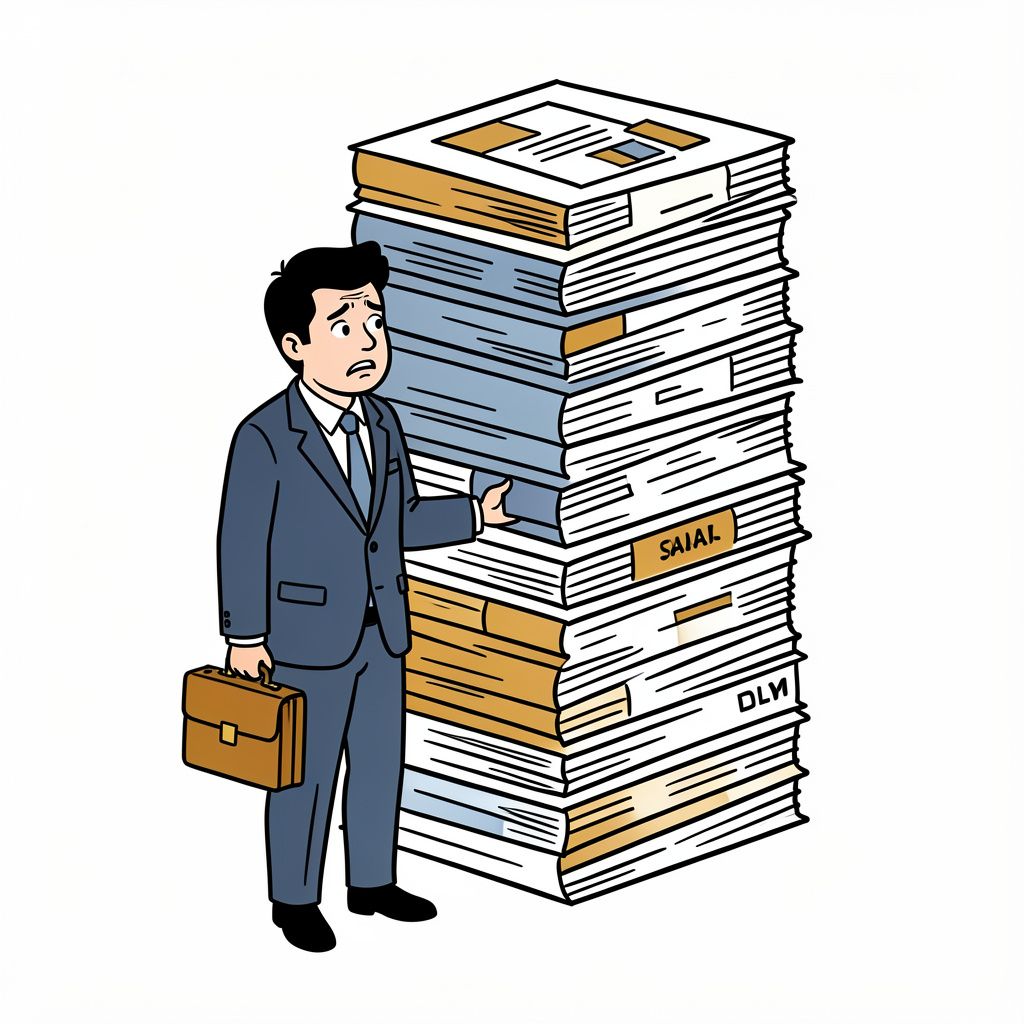
Washington, Wednesday, 16 September 2026.
A September 2026 Pew study reveals 60% of Americans, including half of high earners making over $155,000, now identify as working class amid surging housing costs and persistent inflation.
Why High Earners Now Consider Themselves Working Class
A September 2026 Pew study reveals 60% of Americans, including half of high earners making over $155,000, now identify as working class amid surging housing costs and persistent inflation [1][2]. This widespread redefinition of economic standing underscores how lingering inflation, soaring housing costs, and overall affordability pressures are dampening sentiment among affluent consumers, presenting new strategic headwinds for businesses relying on discretionary spending [1].
Why High Earners Now Consider Themselves Working Class
The data indicates a significant shift in self-perception over the last two years. Pew Research Center data from January 2026 shows 60% of U.S. adults identify as working class, up from 54% in 2024 [1]. This trend includes 50% of college graduates and a substantial portion of upper-income adults defined as those earning above $155,600 annually [1][2]. In the early 2000s, this income level would have placed individuals firmly in the upper middle class, highlighting the magnitude of the economic shift [2].
The Affordability Crisis
Housing affordability remains a primary driver of this sentiment. Analysis of 228 U.S. cities shows the median share of homes listed under $400,000 dropped from 72.6% in 2020 to 28% in 2026 [2]. This represents a -61.433 decline in accessible listings over the six-year period [2]. Additionally, the typical U.S. homebuyer age is 59, up from 39 fifteen years ago, and the median first-time buyer age is a record 40 per data cited from late 2025 [1].
The Affordability Crisis
Financial strain is evident even among those with high nominal incomes. A Harris Poll indicated that 50% of upper-income adults use buy now, pay later plans for purchases under $100, and 45% have delayed medical care due to costs [2]. In high-cost areas like Seattle, monthly expenses for a household earning $155,000 can include $4,500–$7,000 for housing and $2,500 for insurance, leaving little beyond retirement contributions [2].
Economic Sentiment and Spending
Consumer confidence reflects this anxiety. A 2025 Harris Poll survey found 64% of six-figure earners consider their income the bare minimum rather than a sign of success [1]. Furthermore, only 21% of young people believe the American Dream is achievable, down from over 50% a decade ago [1]. New York Fed data indicates a 5.7% unemployment rate for recent graduates in June 2026, the highest in over four years [1].
Economic Sentiment and Spending
The illusion of wealth is exhausting for many top earners who assume they can afford it all yet face quiet sacrifices behind the image of success [2]. As inflation and interest rates remain persistent pressures, the reclassification of high earners as working class suggests a broader recalibration of economic security across the United States [1][2].