Pacific Ocean Rescue: Five Found Alive After Three Months Lost at Sea
Tarawa, Thursday, 5 November 2026.
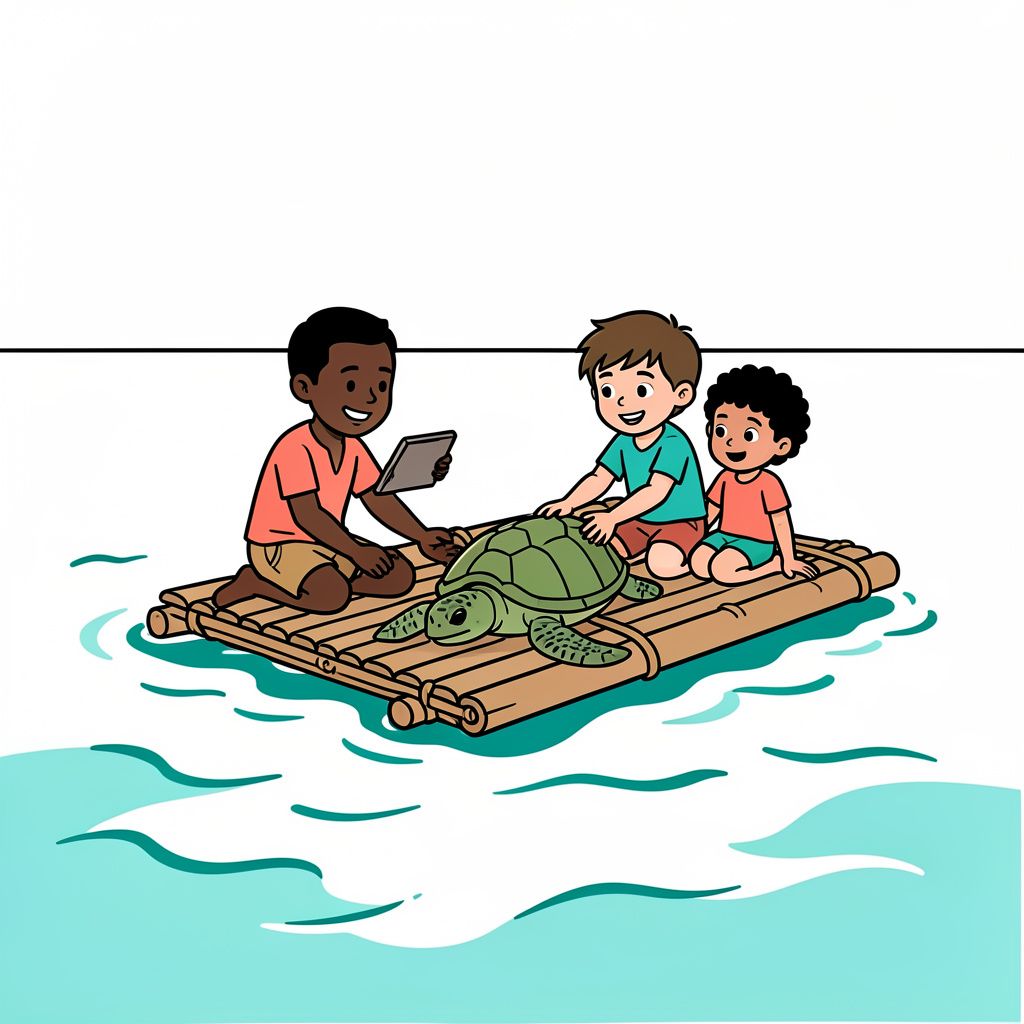
Five Micronesian castaways, including two children, survived nearly 100 days adrift across 5,399 kilometers by drinking rainwater and catching turtles before reaching Kiribati alive.
A Three-Month Maritime Odyssey Defies Odds
Five survivors—a trio of adults and two children—were plucked from the remote reaches of Kiribati’s Fanning Island on November 1, 2026, after an unimaginable 99-day drift across the Pacific Ocean. The 20-foot skiff, which vanished on July 30, 2026, during a routine voyage between Micronesia’s Murilo and Ruo Islands, covered an estimated 5,399 kilometers—571.316 miles—before washing ashore just 3,000 miles from its origin. The ordeal, marked by sheer resilience and a stroke of luck, underscores the fragility of maritime safety in one of the world’s most critical yet perilous shipping corridors [1][2][3][4].
Survival Against All Odds
The survivors endured unimaginable hardships, subsisting on rainwater collected in makeshift containers and protein scavenged from seabirds and sea turtles. Their dwindling strength was evident in their emaciated state upon rescue, with nursing officer Paukin Tororo noting they were ‘severely dehydrated and malnourished’ and required immediate intravenous hydration. Remarkably, the group reported sighting distant ships and aircraft during their ordeal, but their signals went unnoticed, leaving them to the mercy of the vast expanse of the Pacific [1][2][3].
A Search That Fell Short
The U.S. Coast Guard launched a 10-day search covering 85,340 square kilometers (33,000 square miles) in early August, suspending efforts on August 10 after no trace of the vessel or its passengers was found. The decision to halt the search drew criticism from local officials, including Micronesia’s Chuuk State Governor Alexander Narruhn, who later remarked, ‘Thanks be to God for his love and mercy that five of the nine have been found.’ The Coast Guard, in a statement to The Associated Press, expressed relief at the survivors’ discovery but extended ‘profound condolences to family and friends of those who did not arrive with them’ [2][3][4][5].
From Desperation to Deliverance
The dramatic turn of events began when villagers on Fanning Island spotted the skeletal remains of the skiff on November 1. By Sunday evening, the five survivors—barely recognizable in their weakened state—were airlifted to a medical facility on the island, where they received emergency care from local nurse Paukin Tororo and a church pastor. Tororo described their condition as precarious but noted signs of recovery within 24 hours, with survivors ‘showing the sign they want to eat’ and exhibiting the first signs of mobility. Governor Narruhn confirmed that talks with Kiribati authorities to repatriate the survivors to Micronesia’s Chuuk State were underway as of November 1, though no timeline for their return has been finalized [1][2][3].
Echoes of Past Maritime Disasters
This incident joins a grim roster of Pacific maritime tragedies, where the vastness of the ocean often swallows vessels whole. In 2017, American sailors Jennifer Appel and Tasha Fuiaba survived five months adrift after their sailboat broke down, drifting 1,448 kilometers before rescue. Similarly, in 2024, three Micronesian fishermen were stranded for over a week on a remote island, spelling ‘HELP’ with palm fronds to attract attention. The 2023 rescue of 51-year-old Tim Shaddock and his dog Bella, who drifted for 63 days from Mexico to French Polynesia, serves as another testament to the Pacific’s unpredictable and unforgiving nature [3][GPT].
A Humanitarian Crisis with Lingering Questions
While the rescue offers a glimmer of hope, the fate of the four missing individuals remains a haunting unknown. Authorities have not yet confirmed whether their bodies were recovered or if they perished at sea. The incident has reignited debates over the adequacy of maritime emergency beacons and the logistical challenges of search-and-rescue operations in the central Pacific. For now, the survivors—who have requested privacy—remain under medical observation, their story a stark reminder of the thin line between life and death in the world’s largest ocean basin [1][2][4][5].
Sources
- www.nytimes.com
- people.com
- www.nbcnews.com
- www.cbsnews.com
- www.washingtonpost.com
- www.reddit.com
- www.facebook.com
- www.facebook.com