Dollar General Faces Massive Lawsuit Over Checkout Overcharges
Washington, Monday, 26 October 2026.
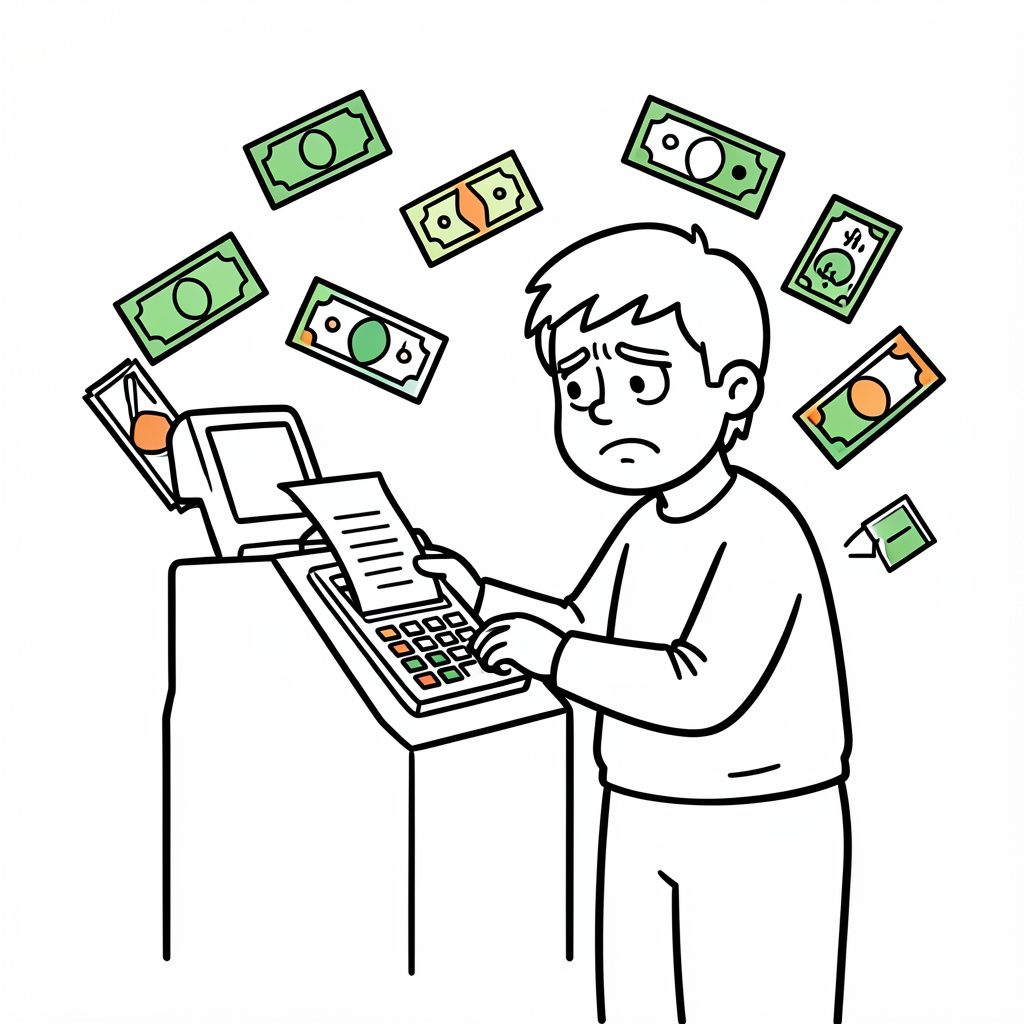
Regulators and twenty states sued Dollar General on October 26, 2026, alleging it knowingly extracted millions in register overcharges despite receiving tens of thousands of consumer complaints.
A Cooperative Legal Action Targeting Systemic Retail Deceptions
The Federal Trade Commission (FTC), in concert with 20 state attorneys general, initiated legal proceedings on October 26, 2026, against Dollar General Corporation (NYSE: DG) [1][2][3]. The consolidated complaint alleges that the discount retailer systematically overcharged customers at the point of sale for years, despite documented evidence of widespread pricing discrepancies and tens of thousands of consumer grievances filed nationwide. The lawsuit, filed in the U.S. District Court for the Middle District of Tennessee, represents one of the most expansive regulatory actions against a major U.S. retailer in recent history, underscoring heightened enforcement scrutiny over retail pricing integrity and fair trade practices.
Documented Patterns of Deceptive Pricing and Regulatory Repercussions
According to the FTC’s complaint and supporting documentation from state attorneys general, Dollar General routinely charged consumers higher prices at checkout than those displayed on shelves, price tags, and in digital advertisements [2][5][8]. The complaint cites internal corporate knowledge of the issue, evidenced by the company’s receipt of tens of thousands of consumer complaints over multiple years. Regulators allege these practices not only violated the FTC Act but also breached state consumer protection laws, including the Gramm-Leach-Bliley Act and state-specific statutes such as Connecticut’s Unfair Trade Practices Act [2][6]. The lawsuit follows a prior enforcement action in Ohio, where a 2023 settlement of $1 million failed to curb the recurring overcharges, prompting renewed legal intervention [9].
Financial Exposure and Operational Consequences for Dollar General
The legal action exposes Dollar General to significant financial penalties, potential restitution payments to affected consumers, and mandatory operational reforms. The company, which operates over 21,000 stores and caters primarily to low- and fixed-income households, stands accused of extracting millions of dollars in unlawful overcharges [2][3][5]. Market reaction was immediate, with Dollar General’s shares declining approximately 4% following the announcement of the lawsuit [3]. Analysts warn that beyond monetary penalties, the retailer may face court-mandated overhauls to its price verification systems and enhanced regulatory oversight, which could strain operational efficiencies and corporate profitability [alert! ‘Dollar General has not disclosed specific financial estimates related to potential penalties or restitution’].
Expanded Coalition Highlights Consumer Protection Priorities
The bipartisan coalition of states includes Alabama, Arizona, Arkansas, California, Connecticut, Florida, Illinois, Iowa, Kansas, Louisiana, Michigan, Mississippi, Nebraska, New Jersey, North Carolina, Ohio, Oklahoma, Tennessee, Utah, and Wisconsin [2][4][6][8][9]. The lawsuit highlights a broader trend of state-level collaboration with federal agencies to address consumer protection challenges, particularly in an environment of heightened public concern over rising prices and perceived retail malpractices. Attorney General William Tong of Connecticut emphasized the importance of holding retailers accountable, stating that consumers should be able to trust shelf prices without fear of hidden surcharges [6]. This legal action coincides with broader public frustration over pricing methods, including the use of dynamic pricing algorithms in retail and food service sectors [1][4].
Market and Regulatory Implications for the Retail Sector
The lawsuit against Dollar General signals an escalation in regulatory enforcement against deceptive pricing practices, particularly in the discount retail segment where consumers are most vulnerable to financial strain [2][3][5]. Industry analysts suggest that the outcome of this case could set a precedent for similar enforcement actions across the retail sector, particularly targeting companies that rely on large-scale operations with decentralized pricing systems. The FTC’s decision to authorize the lawsuit by a 2-0 vote underscores the agency’s commitment to addressing consumer harm through litigation, particularly in industries serving low-income populations [2]. For Dollar General, the immediate priority will likely involve implementing robust price verification protocols and addressing longstanding operational deficiencies to mitigate further legal and reputational risks.
Sources
- abcnews.com
- www.ftc.gov
- www.cnbc.com
- apnews.com
- portal.ct.gov
- www.ohioattorneygeneral.gov
- www.facebook.com
- www.usnews.com