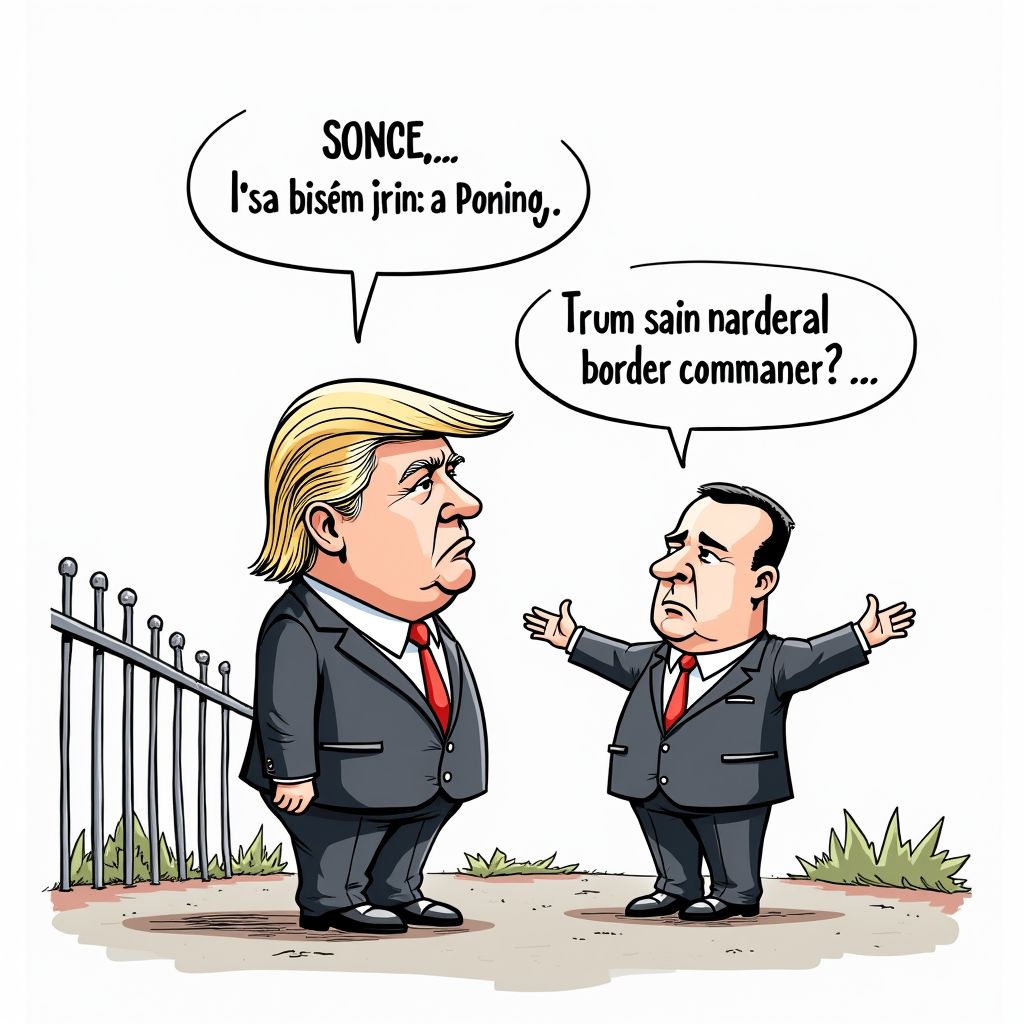
Trump Removes Minnesota Border Commander Following Fatal Shootings and Disputed RNC Narrative
Minneapolis, Wednesday, 28 January 2026.
The administration ousted commander Greg Bovino hours after the RNC circulated his discredited claims characterizing a shooting victim as a domestic terrorist, signaling a strategic pivot in Minnesota’s enforcement leadership.
Narrative Collapse and Leadership Overhaul
For detailed background on the initial reports of Gregory Bovino’s reassignment, readers can refer to our previous coverage: Strategic Shift in Border Leadership: Bovino Reassigned to California Amid Minneapolis Fallout. The removal of Gregory Bovino from the Minnesota theater represents a rapid disintegration of the administration’s initial narrative regarding the January 24 shooting of Alex Pretti. On Tuesday, January 27, the Republican National Committee (RNC) circulated a memo urging party officials to frame the fallout by characterizing Pretti—a 37-year-old nurse—as a “domestic terrorist,” a label initially employed by DHS Secretary Kristi Noem [3]. However, this messaging crumbled within hours; while the RNC was pushing this narrative, the administration was simultaneously removing Bovino, the very commander whose operations were under scrutiny, and President Trump publicly distanced himself from the “terrorist” characterization later that day [3].
Conflicting Accounts and Operational Retreat
The divergence between the administration’s rhetoric and the operational reality on the ground has become increasingly sharp. While Bovino had previously claimed Pretti intended to “massacre” agents [4], witnesses and local officials have vigorously disputed this account, stating the deceased was holding a phone rather than a weapon at the time of the shooting [5]. In a significant walk-back during an interview on Tuesday, President Trump admitted he had not heard the “domestic terrorist” assessment, though he maintained that Pretti “shouldn’t have been carrying a gun” [3]. This rhetorical pivot coincided with Bovino’s definitive exit; sources confirm he is losing his “commander” title and returning to his previous role as a sector chief in El Centro, California, effectively demoting the public face of the crackdown [7].
Diplomatic Reset and Judicial Firestorms
As the “domestic terrorist” narrative was being dismantled, the White House initiated a tactical pivot to stabilize relations with Minnesota state officials. Following a phone call between President Trump and Governor Tim Walz described as “productive,” Walz noted a distinct shift toward a “collaborative tone” from the federal government [6]. This reset involves a partial withdrawal of federal agents and the deployment of “Border Czar” Tom Homan, who will report directly to the President [6]. Homan’s arrival is framed by the administration as an “opportunity for a reset,” with CBP Commissioner Rodney Scott also joining the leadership team in Minneapolis to oversee the transition [6][7]. Despite this diplomatic thaw, the administration faces a deepening legal crisis; Chief Judge Patrick J. Schiltz has ordered Acting ICE Director Todd Lyons to appear in court on Friday, January 31, to explain why he should not be held in contempt for failing to provide bond hearings for detained immigrants [2].
Sources
- www.cbc.ca
- www.cbc.ca
- www.politico.com
- www.bbc.com
- www.aljazeera.com
- www.axios.com
- www.nbcnews.com
- www.pbs.org