Navigating European Artificial Intelligence Rules Without Threatening Company Growth
Brussels, Friday, 30 October 2026.
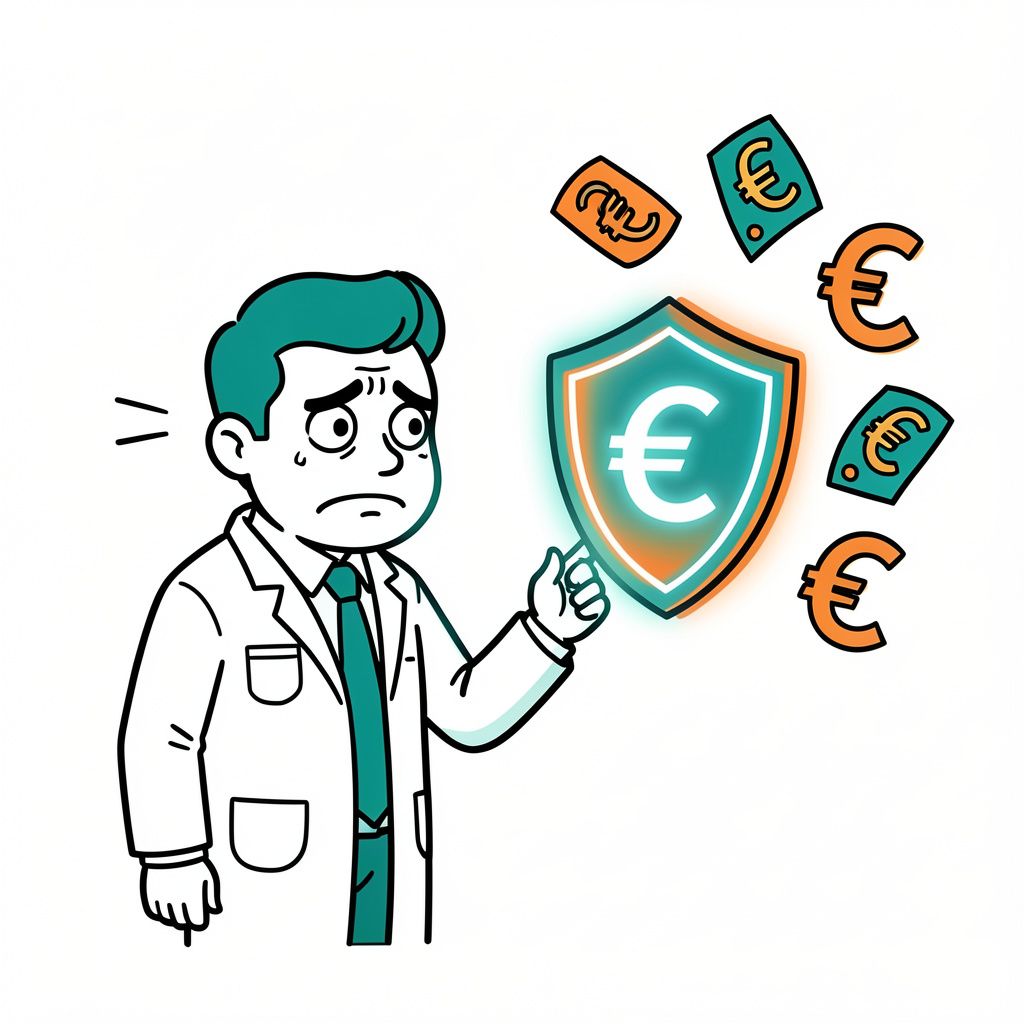
European firms face potential regulatory fines reaching €35 million, prompting Swedish cloud specialist Opsio to launch a free assessment helping organizations evaluate shadow workplace technology and establish formal compliance frameworks.
The EU AI Act: A Regulatory Timeline and Its Implications
The European Union’s Artificial Intelligence Act (AI Act), Regulation (EU) 2024/1689, represents the most comprehensive regulatory framework for AI globally. Since 2 February 2025, prohibitions and AI literacy duties have been in effect [1]. Obligations for general-purpose AI models, governance requirements, and penalty provisions took effect on 2 August 2025 [1]. Transparency duties for AI interaction were implemented on 2 August 2026 [1]. Looking ahead, obligations for high-risk AI systems are scheduled to apply from 2 December 2027 and 2 August 2028 [1][alert! ‘Deadlines are pending final confirmation as of October 2026’]. For European enterprises, these staggered deadlines create a complex compliance roadmap, demanding proactive governance measures to avoid substantial financial penalties.
Shadow AI and the Compliance Gap in European Workplaces
A critical challenge for European companies stems from the widespread adoption of generative AI tools such as OpenAI’s ChatGPT and Microsoft’s Copilot without formal workplace policies. Surveys and industry reports indicate that employees across Europe frequently use these tools in their daily tasks, often without oversight or documented approval [1]. This phenomenon, known as ‘shadow AI,’ introduces significant compliance risks as organizations struggle to align with the EU AI Act’s stringent requirements [1]. The Act mandates that companies not only prohibit certain high-risk AI applications but also ensure transparency, accountability, and data governance across all AI deployments [1]. Johan Carlsson, Country Manager for Sweden at Opsio, highlights this urgency: ‘Every company we meet already has AI in use somewhere. The question is who set the rules.’ [1]
Opsio’s Free AI Governance Assessment: A Strategic Tool for Compliance
To address this compliance gap, Opsio, a Swedish cloud and digital transformation consultancy, launched a complimentary AI Governance & Readiness Assessment on 30 October 2026 [1]. This 40-minute online questionnaire evaluates enterprises across ten governance areas, including shadow AI usage, data privacy, and risk management frameworks [1]. Upon completion, the tool generates four editable governance documents aligned with the EU AI Act, GDPR, ISO/IEC 42001, ISO/IEC 27001, and the NIST AI Risk Management Framework [1]. Carlsson emphasizes the tool’s accessibility: ‘We built this so that any company can take that step for free, and we are happy to help with the next ones.’ [1]. The assessment aims to provide business leaders, IT executives, and legal counsel with a clear, actionable roadmap to mitigate regulatory risks while fostering innovation.
Human-Centric AI Workforce: Balancing Innovation and Control
Building on its governance tools, Opsio introduced Hiveforce on 28 October 2026, an AI workforce platform designed to integrate AI capabilities into business operations while maintaining human oversight [3][5][8]. Hiveforce features over 80 specialized AI agents organized into teams called ‘Hives,’ dedicated to finance, sales, HR, and customer service [3][5][8]. A central AI coordinator, dubbed the ‘Hive Queen,’ plans work, selects appropriate AI skills, and requires human approval for all plans and cost estimates before execution [3][5][8]. This design ensures that AI initiatives remain aligned with business objectives and regulatory requirements. ‘Swedish companies shouldn’t have to choose between being at the forefront and keeping things in order,’ Carlsson notes [3][5][8]. The platform operates within the EU, with data processed in isolated databases using unique encryption keys and read-only system access to ensure GDPR compliance [3][5][8]. Additionally, Hiveforce does not use customer data for AI training, further reducing compliance risks [3][5][8].
Financial and Operational Risks of Non-Compliance
The stakes for non-compliance are exceptionally high under the EU AI Act. Companies found in breach of the most serious obligations face fines of up to €35 million or 7% of their global annual turnover, whichever is higher [1]. For a mid-sized European enterprise with annual revenue of €500 million, this could translate to penalties of €35 million 35.000 million [GPT]. These financial risks underscore the importance of robust governance frameworks. Beyond monetary penalties, non-compliance can lead to reputational damage, operational disruptions, and loss of customer trust. As the Act’s phased implementation continues, organizations must prioritize compliance to avoid falling behind competitors who proactively adapt to regulatory demands.
A Proactive Approach to AI Governance
For European enterprises, the path forward requires a balance between leveraging AI for innovation and ensuring strict adherence to regulatory requirements. Opsio’s tools—both the free AI Governance & Readiness Assessment and the Hiveforce platform—offer practical solutions to this challenge. By providing actionable insights and structured workflows, these tools enable organizations to identify gaps in their AI governance, implement necessary controls, and foster a culture of compliance. Carlsson’s advice to companies is succinct: ‘The biggest risk for a European company is not that it uses AI, but that it waits out of uncertainty and falls behind.’ [1]. With the EU AI Act’s deadlines looming, enterprises that take proactive steps today will be best positioned to thrive in a regulatory environment that prioritizes transparency, accountability, and human oversight.
Sources
- www.einpresswire.com
- markets.businessinsider.com
- app.dealroom.co
- www.instagram.com
- natlawreview.com
- www.newsfilecorp.com