Big 12 Abandons High-Tech Glass Court Mid-Tournament Following Athlete Injuries
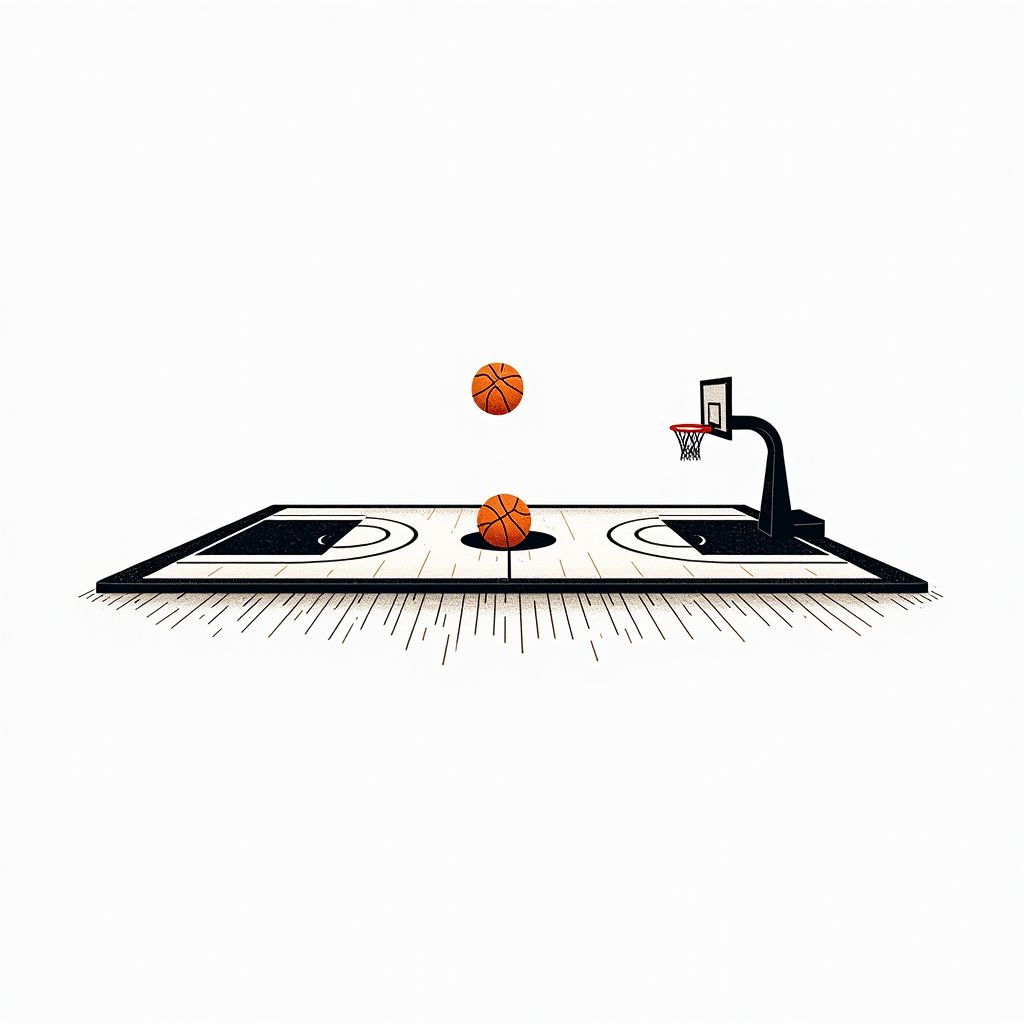
Kansas City, Sunday, 15 March 2026.
The Big 12 abruptly replaced its innovative LED glass floor with traditional hardwood mid-tournament after slippery conditions caused player injuries, underscoring the friction between sports technology and athlete safety.
A Costly Pivot in Sports Innovation
On Thursday, March 12, 2026, Big 12 Commissioner Brett Yormark made the unprecedented decision to rip up the conference’s heavily promoted LED glass court [1][3]. After consulting with the coaches of the four semifinalist teams, Yormark announced the tournament would transition back to a traditional hardwood surface for the final two days of competition to ensure student-athlete comfort on a major stage [1][2][6]. The sudden reversal came after mounting criticism regarding player traction on the ASB GlassFloor, which had been utilized for the entirety of the women’s tournament earlier in the month and the early rounds of the men’s tournament at the T-Mobile Center in Kansas City, Missouri [3][6].
Traction Troubles and Athlete Casualties
The technological marvel quickly devolved into a liability as athletes struggled to maintain their footing. The breaking point occurred when Texas Tech guard Christian Anderson strained a muscle after slipping during the Red Raiders’ 75-63 loss to Iowa State [2][6]. The physical toll was the primary concern, overshadowing the 12 point deficit of the game [2]. Anderson noted that the floor was “a bit slippery,” causing him to misstep and end up in an unnatural position [5][6]. The Red Raiders suffered further setbacks when LeJuan Watts also sustained a foot injury before the team was eliminated on March 12 [5].
The Business Fallout for Sports Tech
The mid-tournament abandonment serves as a severe cautionary tale for the sports technology sector and venue operators. While the promise of real-time, dynamic advertising inventory is highly lucrative for conferences [GPT], the Big 12’s public relations stumble demonstrates that grand ideas untested in high-stakes competition can backfire [3][4]. Sports commentator Scott Van Pelt summarized the business reality appropriately: when a product proves dangerous, the most pragmatic move is to “eat it” and “punt” rather than remain stubborn [5].
Sources
- www.cbssports.com
- www.nbcnews.com
- awfulannouncing.com
- www.lubbockonline.com
- www.si.com
- www.foxnews.com