Rising Global Temperatures Drive Travelers to Seek Cooler Northern Climates
New York, Sunday, 26 July 2026.
Escaping extreme summer heatwaves, travelers are shifting global tourism by swapping traditional warm-weather resorts for cooler destinations in Scandinavia and even winter climates in the Southern Hemisphere.
Redefining Summer Travel Dynamics
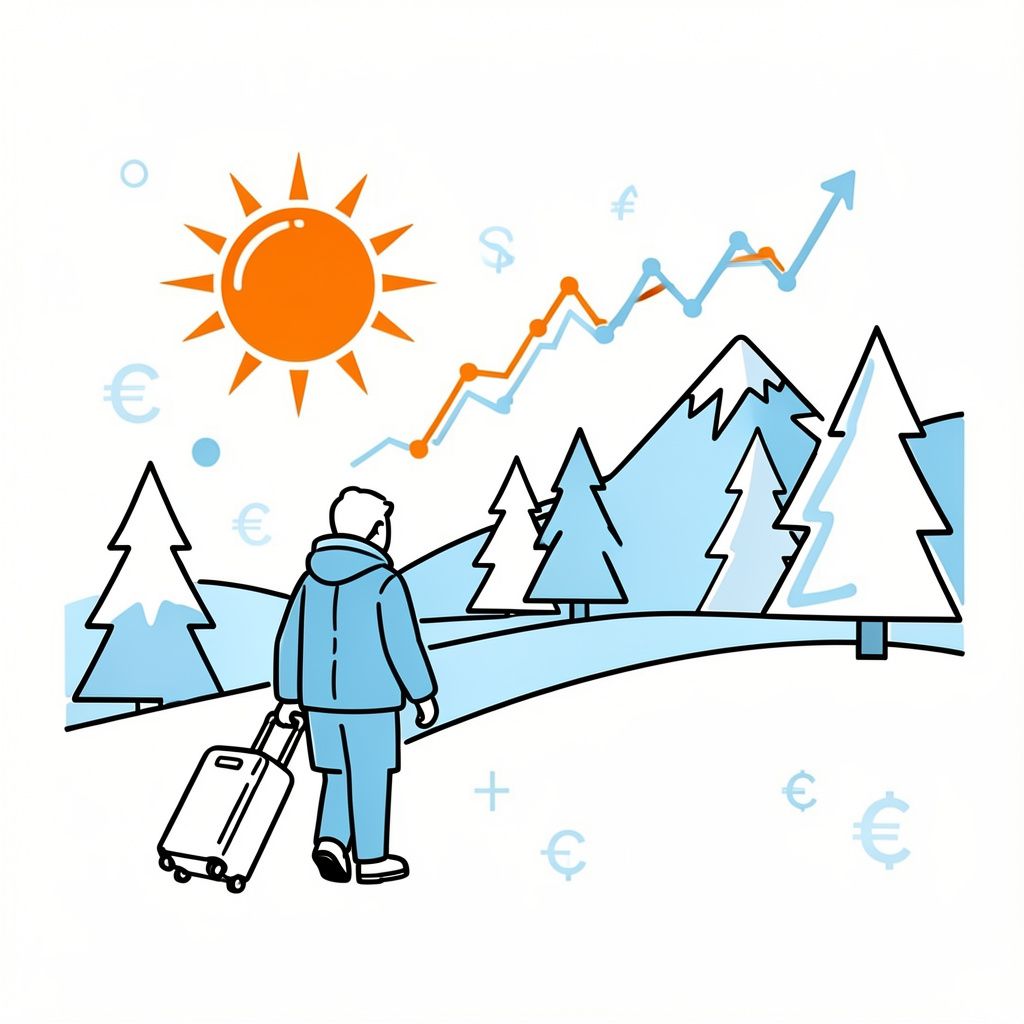
As global temperatures continue to climb in July 2026, a profound behavioral and economic shift is reshaping the international tourism sector [1][4]. Rather than booking traditional sun-and-sea beach holidays in southern Europe or the southern United States, travelers are increasingly opting for ‘coolcations’—vacations intentionally planned in cooler, milder climates [1][4][5]. Driven by a desire to escape extreme summer heatwaves and the meteorological effects of a Super El Niño, consumers are redirecting their summer travel budgets toward northern destinations [1][4]. This emerging trend, particularly popular among climate-conscious Gen Z travelers, represents a structural pivot in how seasonal travel is planned and executed [1][4].
The Economic Windfall for Northern Europe
This shift is generating a substantial economic realignment across Europe [5]. According to tourism platform data, recurrent heatwaves in the Mediterranean are driving unprecedented demand for cooler northern regions, specifically Norway, Sweden, Denmark, Finland, Ireland, and Iceland [5]. Cities such as Copenhagen and Dublin have emerged as major beneficiaries, experiencing a significant surge in search volumes and visitor arrivals [5]. This trend is not only extending the traditional tourism season for these northern territories but is also promoting rural tourism development as travelers seek alternatives to overcrowded, sweltering southern coastal resorts [5].
The Geography of Climate Relief
To help travelers navigate this changing landscape, the eSIM provider Holafly launched its Global Cool Escape Index on July 25, 2026 [4]. This index ranks summer destinations by climate relief, accessibility, traveler interest, visitor experience, and value [4]. According to the index, the top five global coolcation destinations for summer 2026 are Queenstown, New Zealand; Tromsø, Norway; Bariloche, Argentina; Helsinki, Finland; and Anchorage, United States [4]. Other highly ranked locations providing respite from the heat include Reykjavik, Iceland; San Francisco, United States; Banff, Canada; Cape Town, South Africa; and Zermatt, Switzerland [4].
Southern Hemisphere Winter Appeal
A notable aspect of the 2026 coolcation trend is the rising popularity of Southern Hemisphere destinations during August [4]. Locations such as Cape Town, Ushuaia, and Santiago are experiencing winter conditions, offering an attractive alternative to European regions where temperatures frequently exceed 35 °C [4]. Regional data from the Global Cool Escape Index reveals distinct traveler preferences: Cape Town is the top choice for UK travelers, Innsbruck ranks first for German travelers, Bariloche is favored by Spanish travelers, and Mexico City is the premier choice for Californians seeking high-altitude relief [4].
Culinary and Active Tourism in the North
The cooling climate is also altering the types of activities tourists pursue [5]. Prior to the summer of 2026, the market was dominated by passive sun-and-sea holidays [5]. However, modern travelers are increasingly prioritizing active, nature-based experiences, including hiking, wildlife observation, and scenic rail travel [5]. This pivot allows travelers to maintain physical comfort and safety while exploring the outdoors, contrasting sharply with the wildfire and heat-related risks currently plaguing southern Europe [5].
Gastronomic Tourism Having a Moment
Alongside outdoor activities, the culinary sector in northern Europe is experiencing a major boom [6]. Scandinavia has emerged as a premier winner of the coolcation trend, with Nordic food travel enjoying a significant surge in international interest [6]. Travelers are trading hot Mediterranean beaches for cooler evenings that are ideal for outdoor dining and wine tastings [6]. Local hospitality businesses, including boutique hotels, vineyards, craft distilleries, and fine-dining restaurants, are capitalizing on this demand by highlighting sustainable, locally sourced ingredients like fresh seafood, wild berries, and herbs [6].
Strategic Adjustments for the Travel Sector
For travel agents and destination marketing organizations, the rise of coolcations presents lucrative opportunities to curate specialized Nordic itineraries and promote nature-based holidays [3]. Conversely, southern European tourism providers are being forced to adapt their business strategies to mitigate the financial impacts of extreme heat [5]. Many are now promoting travel during the cooler spring and autumn shoulder seasons, enhancing visitor safety protocols, and diversifying their indoor experiences to reduce direct heat exposure [5].
The Long-Term Geographical Realignment
Industry experts view the coolcation phenomenon as a permanent structural change rather than a passing fad [5][6]. As climate change continues to dictate global travel patterns, northern Europe and other temperate regions are well-positioned to secure a larger share of the global tourism market [5][6]. Ultimately, the future of global tourism is projected to undergo a long-term geographical shift, characterized by increased seasonal flexibility and a broader distribution of visitors across different regions and months [5].
Sources
- www.ladbible.com
- www.facebook.com
- www.instagram.com
- esim.holafly.com
- www.travelandtourworld.com
- www.falstaff.com
- www.travelagewest.com