Rising Diesel Costs Drive Fleet Operators Toward Electric Freight Trucks
Austin, Monday, 28 September 2026.
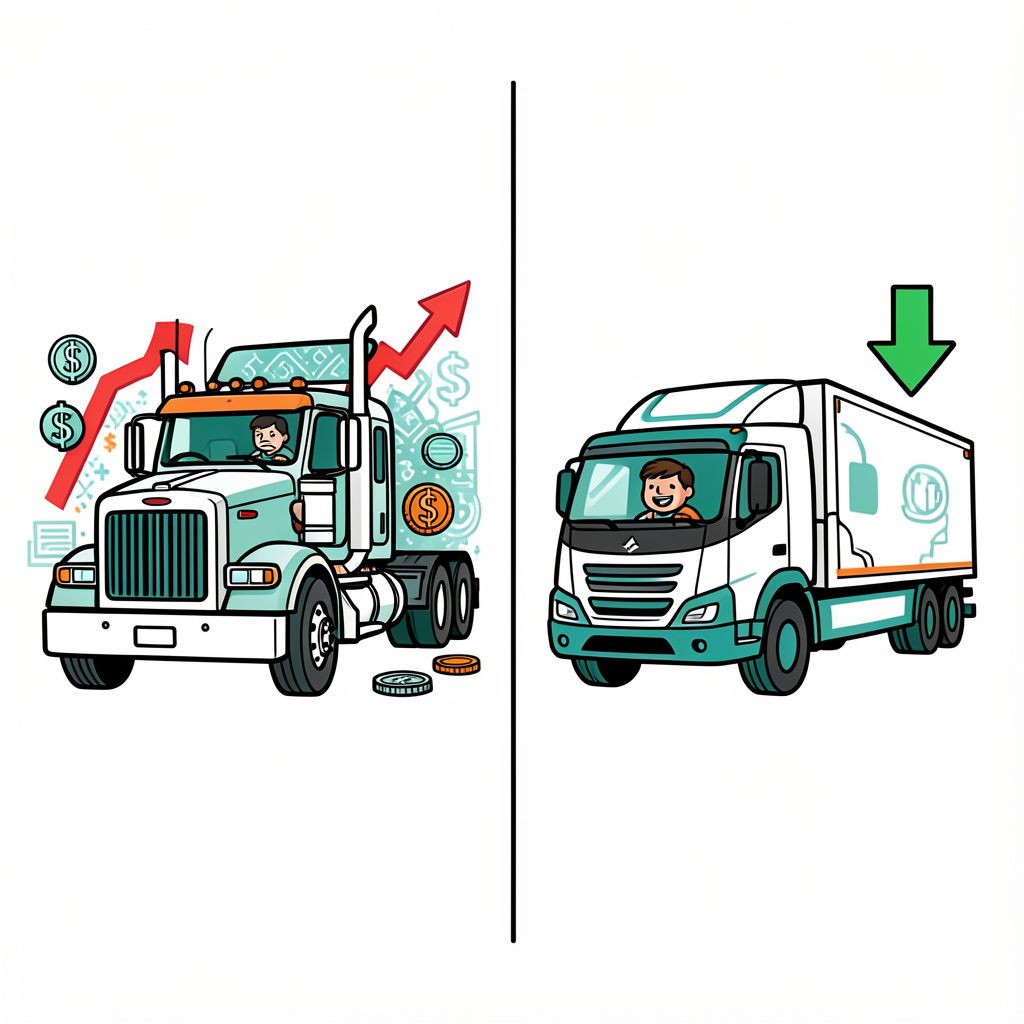
With US diesel averaging $6.53 per gallon—a 74% year-over-year surge—fleet operators face operating costs of $0.80 per mile for diesel versus $0.20 to $0.30 for electric trucks.
Production Ramp-Up in Nevada
Tesla officially commenced high-volume production of its Semi truck at a dedicated facility in Sparks, Nevada, marking a significant milestone nearly a decade after the concept was first unveiled [1][3]. The new 1.7 million-square-foot factory is designed with an annual production capacity of 50,000 units, signaling a shift from pilot programs to mass manufacturing [1][4]. While initial hand-built units were delivered to customers like PepsiCo in late 2022, the first unit from this high-volume production line was completed in April 2026 [3][4]. Deliveries to commercial customers began the week of September 23, 2026, with major carriers including DHL and U.S. Foods attending the Nevada plant event to witness the unveiling [4][5].
Total Cost of Ownership Analysis
The economic viability of electric freight has shifted dramatically due to rising fossil fuel costs, with US diesel prices averaging $6.53 per gallon during the week of September 21 to September 27, 2026 [1]. This price point represents a 74% increase compared to the same period in 2025, drastically altering the total cost of ownership models for fleet operators [1][5]. Tesla claims its Semi fleet operates at a cost between $0.20 and $0.30 per mile for electricity, compared to approximately $0.80 per mile for diesel-powered trucks [2][3]. This disparity suggests potential operating cost savings of 62.5 percent or more, making the electric option increasingly compelling despite higher upfront capital requirements [2][4].
Strategic Fleet Commitments
Market confidence in electric freight was reinforced on September 22, 2026, when ZET SCALE, a shippers’ alliance including Microsoft and PepsiCo, designated Tesla as the primary manufacturer for a 2,500-unit order [1][5]. This specific volume would nearly double the count of heavy-duty electric trucks currently on US roads, according to nonprofit Catalyst Mobility [5]. Other noteworthy customers committing to the platform include DHL, Einride, Walmart, IMC Logistics, and ArcBest, indicating broad industry interest beyond early adopters [2]. Forum Mobility, which leases electric trucks to freight operators, reported that 25 carriers had reserved capacity for more than 330 Tesla Semis at one Southern California depot alone [2].
Infrastructure and Range Expectations
To support this expansion, Tesla plans to deploy 30 public megawatt chargers by December 31, 2026, addressing critical infrastructure gaps along freight corridors [3]. The long-range Semi variant achieves an estimated 500 miles per charge while fully loaded, utilizing new battery technology developed in-house [2][5]. Tesla reports that the truck can regain up to 60% of its range in 30 minutes via Megachargers, mitigating downtime concerns for long-haul routes [2][3]. Furthermore, the company claims its Semi fleet has maintained over 98% uptime in 2026, requiring almost no maintenance compared to traditional diesel counterparts [2][4].