Trump Removes Punitive Tariffs as India Agrees to Halt Russian Oil Imports
Washington D.C., Saturday, 7 February 2026.
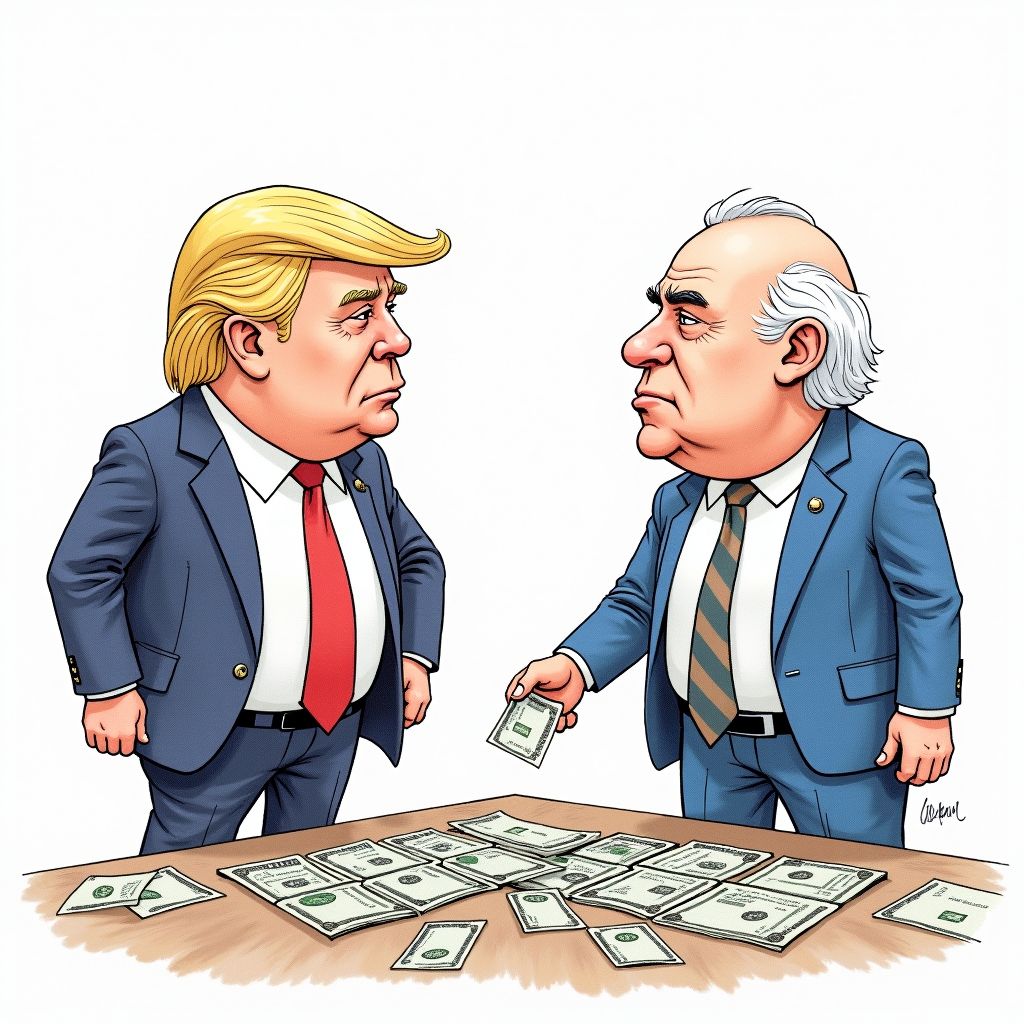
President Trump rescinded the 25% duty Friday after India committed to ending Russian oil imports, replacing them with a projected $500 billion in US energy and defense purchases.
Executive Order Signed
President Donald Trump signed an executive order on Friday, February 6, officially rescinding the punitive 25% duty on imports from India [1][8]. The White House confirmed that this specific tariff, originally imposed in response to New Delhi’s procurement of Russian oil, would be lifted effective 12:01 a.m. Eastern Time on Saturday, February 7 [3][2]. The order explicitly states that the removal of duties is contingent upon India’s commitment to halt the import of Russian Federation oil, both directly and indirectly [2][8].
Broader Trade Implications
This executive action is part of a comprehensive trade agreement announced earlier this week intended to normalize economic relations between the two nations. Previously, Indian exporters faced a crushing aggregate tariff burden of 50%, comprising the 25% punitive duty and a separate 25% reciprocal levy imposed in August 2025 [4]. Under the new deal, the United States will slash these tariffs to 18% [1][3]. In return, India has agreed to remove tariffs on all U.S. industrial goods and a wide range of agricultural products, including tree nuts, fresh fruit, and wine [2].
Strategic Alignments and Energy Shifts
Beyond immediate tariff reductions, the agreement outlines a long-term strategic pivot for India, which relies on imports for approximately 90% of its oil needs [1]. To replace Russian crude, New Delhi has expressed an intent to purchase $500 billion worth of American energy products, aircraft, and defense equipment over the next five years [2][3]. This marks a significant geopolitical shift, as India imported 1.06 million barrels of Russian oil per day in January 2026 [7]. However, data indicates a recent slowdown in these purchases, with imports projected to decline to 800,000 barrels per day by March [1].
Market Skepticism and Expert Analysis
While U.S. Trade Representative Jamieson Greer touted the deal as a victory that unlocks the Indian economy for American producers, independent analysts remain cautious regarding the feasibility of the commitments [2]. Economists at Oxford Economics have described the $500 billion purchase target as “unrealistic,” warning of the risk that the U.S. could backtrack if these goals are not met [7]. Furthermore, Jeffrey Sachs, Director of the Center for Sustainable Development at Columbia University, characterized the administration’s policy reversal as a strategic error, stating that “Trump blinked” by dropping the tariffs from their previous highs [6].
Sources
- www.reuters.com
- www.politico.com
- www.ndtv.com
- www.aljazeera.com
- www.youtube.com
- www.cnbc.com
- www.bloomberg.com