Winter Storm Fern Severs Power to One Million and Paralyzes Regional Logistics
Atlanta, Monday, 26 January 2026.
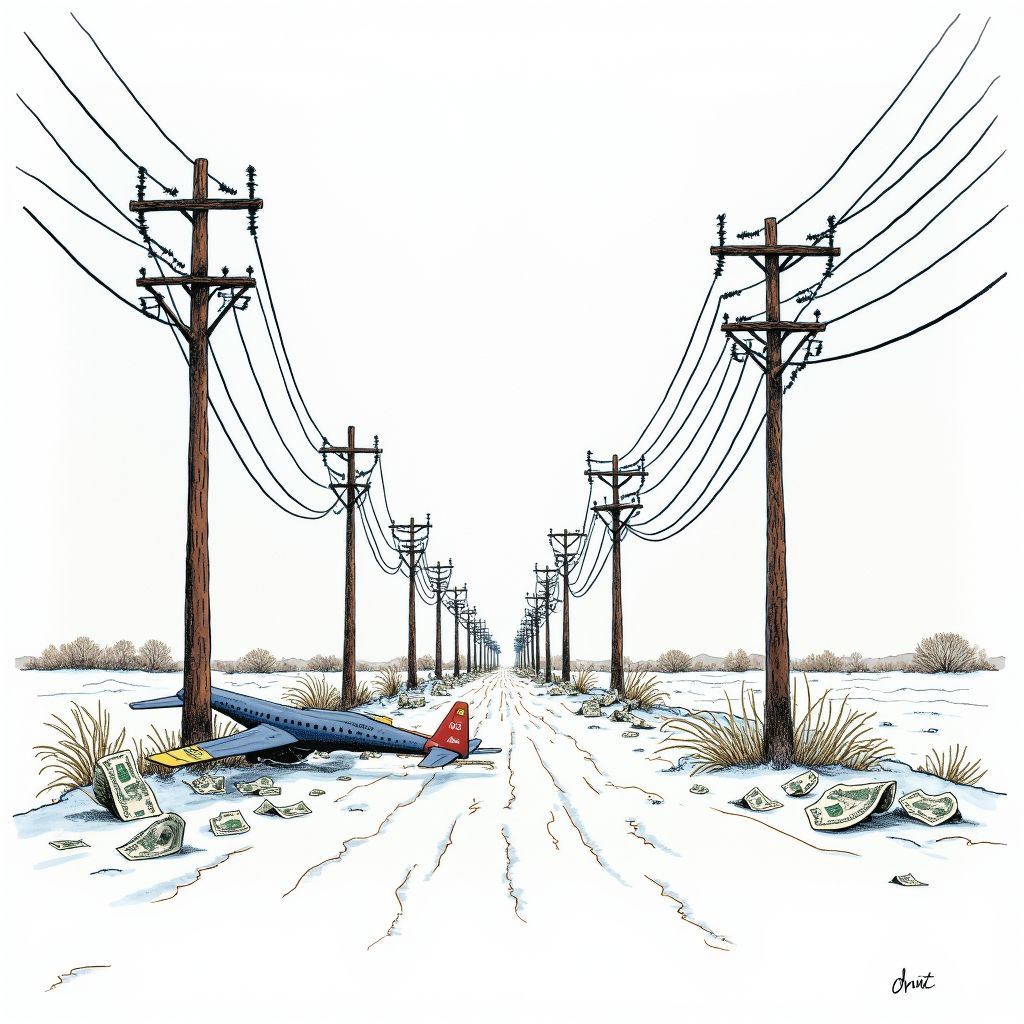
Winter Storm Fern has precipitated a widespread infrastructure crisis across the Southeastern United States, severing electricity to approximately one million customers as of Monday, January 26, 2026. The storm’s massive 2,000-mile footprint has effectively paralyzed regional logistics, grounding over 11,000 flights and halting rail and port operations essential for commerce. Beyond the immediate grid failure, the economic impact is compounded by a resource deficit for post-storm cleanup in the Southeast, where prolonged freezing temperatures threaten to extend business disruptions significantly. With fatalities confirmed and emergency declarations in place across a dozen states, the event underscores the critical fragility of utility and transport networks against such unique and catastrophic ice accumulation.
Logistical Gridlock and Supply Chain Stress
The aviation sector has borne the brunt of the storm’s initial impact, with data from Monday, January 26, indicating a massive disruption to air travel. Approximately 11,500 flights were canceled and over 16,000 delayed, resulting in a total of 27500 flight operations impacted across the country [1][4]. Major hubs including Philadelphia, Washington, Baltimore, and the New York metropolitan area airports were heavily affected, effectively snarling passenger and cargo movement along the Eastern Seaboard [2][4]. On the ground, the paralysis extends to rail networks; Amtrak has postponed operations through Monday, January 26, while port terminals in New York and New Jersey remain closed, further choking the flow of goods [3].
The Economics of Recovery
The economic reverberations of Winter Storm Fern are expected to linger due to the specific nature of the cleanup required in the Southeast. Renny Vandewege, General Manager of Weather and Climate Intelligence at DTN, noted that the region faces a resource deficit for post-storm recovery compared to northern states [3]. The cleanup process is complicated by the forecast; while melting may occur during the day, temperatures are expected to drop below freezing at night, creating hazardous black ice and refreezing conditions that prolong logistical disruptions [3]. BNSF Railway had already warned customers of delays and longer transit times for freight moving through the affected regions, signaling potential downstream supply chain bottlenecks [3].
Public Safety and Meteorological Outlook
The human cost of the storm has become increasingly apparent as temperatures plummet. In New York City, five people were found dead outside on Saturday, January 24, while two deaths attributed to hypothermia were reported in Caddo Parish, Louisiana [1][2]. Extreme cold has been recorded as far north as Copenhagen, New York, which registered a staggering -45 degrees Celsius [1][4]. New York Governor Kathy Hochul described the event as an “Arctic siege” that is “brutal, bone chilling and dangerous” [2].