U.S. Prepares Middle East Troop Surge as Iran Conflict Threatens Global Oil Markets
Washington, Wednesday, 25 March 2026.
As the U.S. readies thousands of troops for Middle East deployment, the Pentagon’s reported plans to potentially seize Iran’s primary oil hub are sending shockwaves through global markets.
Strategic Objectives and the Kharg Island Threat
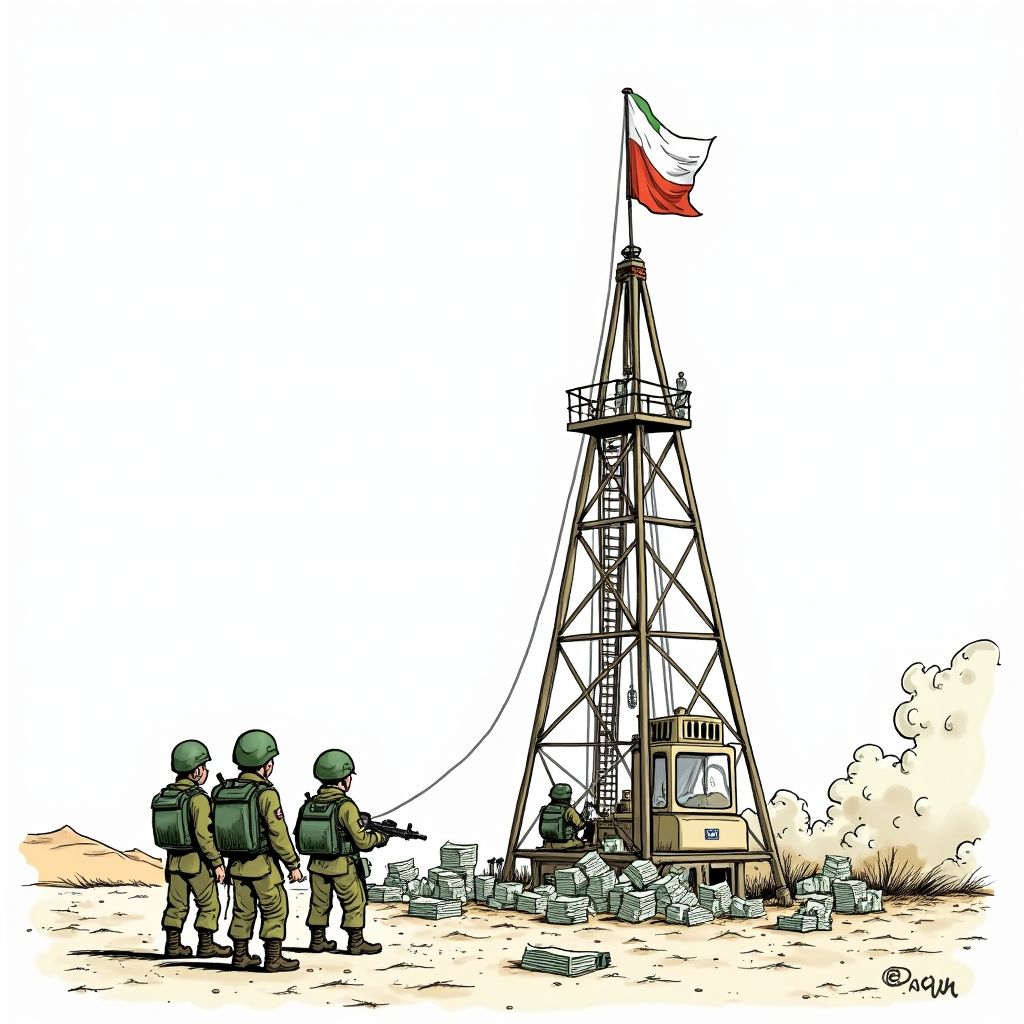
The airborne deployment signals a potential shift from long-range strikes to strategic ground operations. Defense officials are weighing options that include deploying forces directly to Iran’s shoreline to secure the Strait of Hormuz, a critical maritime choke point that Iran has effectively closed to Western vessels [4][6]. More aggressively, the Trump administration has discussed deploying ground forces to seize Kharg Island, Iran’s primary oil hub, which handles 90 percent of the nation’s oil exports [4][6].
Allied Friction and Global Economic Fallout
The administration’s unilateral military decisions are noticeably straining international alliances. On 24 March 2026, France’s army chief, Gen. Fabien Mandon, publicly criticized the United States, describing the American ally as “less and less predictable” [1][2]. He expressed frustration that the U.S. engaged in near-peer military operations in the Middle East without notifying French leadership, warning that such unpredictability directly affects European security interests [1][2]. Consequently, the wider Group of Seven (G7) nations have reacted coolly to the U.S.-Israeli campaign, declining to participate militarily [2].
Escalating Combat and Shifting Public Sentiment
On the battlefield, the operational tempo shows no signs of slowing. U.S. Central Command reports that American aircraft and missile strikes have destroyed over 9,000 military targets inside Iran over the past month [3][4]. In retaliation, Iran continues to launch daily waves of drones and ballistic missiles, striking civilian and military targets across Israel, Kuwait, and Saudi Arabia [1][2]. The cyber and physical attacks have even disrupted critical infrastructure, including Amazon Web Services data centers in Bahrain [1][2].
Sources
- www.cbsnews.com
- apnews.com
- www.politico.com
- www.reuters.com
- nypost.com
- www.the-independent.com
- www.youtube.com
- wsnext.com