Trump Administration Secures Pricing Agreements With Nine Major Pharmaceutical Firms
Washington, Sunday, 21 December 2025.
Nine major drugmakers agreed to align U.S. prices with European standards to secure three-year tariff exemptions, a strategic move launching the direct-to-consumer TrumpRx platform in January 2026.
Strategic Tariff Exemptions and the TrumpRx Platform
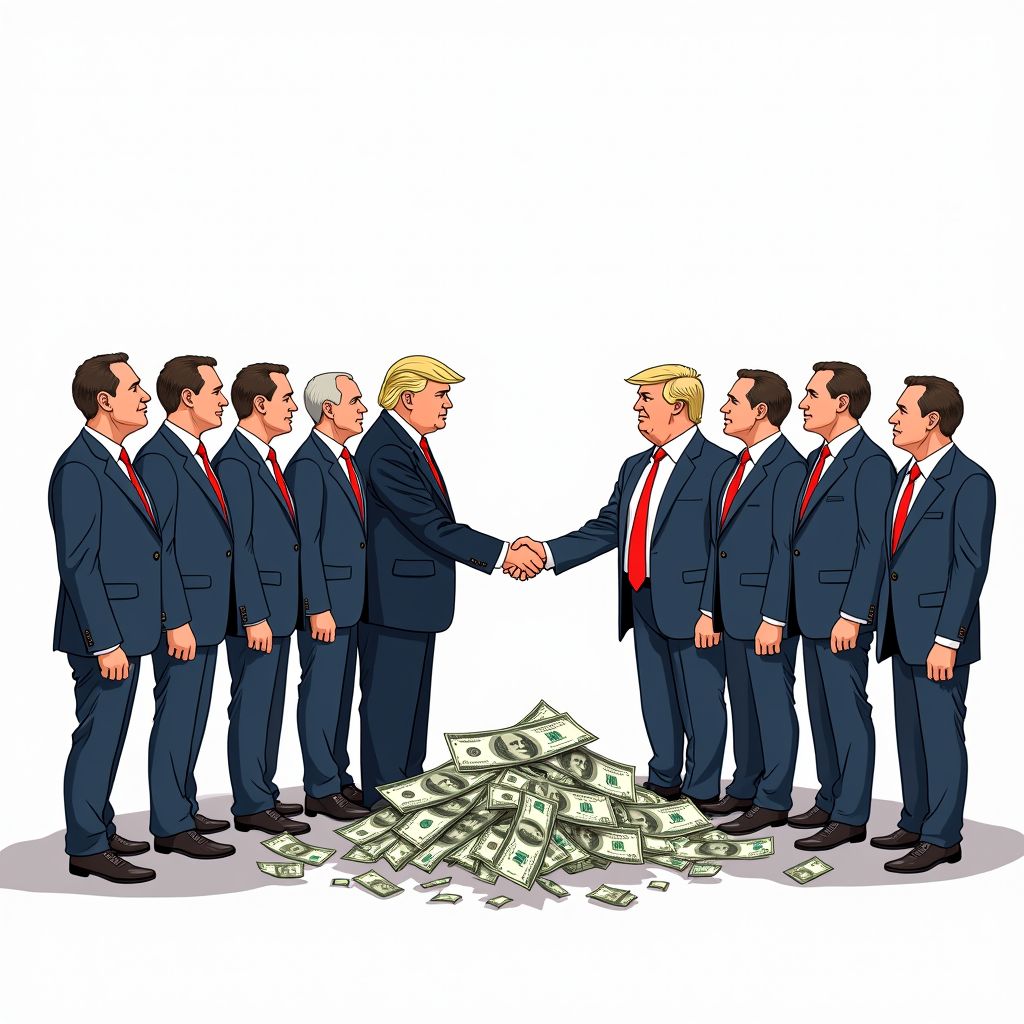
On December 19, 2025, the Trump administration formalized agreements with nine pharmaceutical giants: Amgen, Boehringer Ingelheim, Bristol Myers Squibb, Genentech, Gilead, GSK, Merck, Novartis, and Sanofi [1][2][3]. These manufacturers have committed to aligning their Medicaid pricing with European standards, addressing a disparity where 30% to 40% of drugs sold to the program are currently priced higher than in other nations [1]. In exchange for these voluntary concessions, the administration has agreed to suspend planned tariffs on pharmaceutical imports for the next three years [1][3][4]. A central component of this initiative is the upcoming launch of “TrumpRx,” a direct-to-consumer federal website scheduled to go live in January 2026 [1][3]. Furthermore, the participating companies have pledged to invest $150 billion in U.S. manufacturing and research and development, alongside donating medications to the strategic national stockpile [1][4].
Targeted Price Reductions and Market Impact
The agreements detail significant price reductions for specific high-profile medications. Merck has agreed to sell its diabetes drugs—Januvia, Janumet, and Janumet XR—directly to U.S. consumers at approximately 70% off list prices [4]. Similarly, Amgen will expand its direct-to-patient program to include Aimovig and Amjevita, offering both at $299 per month, representing reductions of nearly 60% and 80% below current U.S. list prices, respectively [4]. Discounts on ten specific drugs treating conditions such as cancer, heart disease, and diabetes are set to begin on January 1, 2026 [1]. However, analysts note that the scope of these deals may be limited; Medicaid accounts for approximately 10% of U.S. drug spending and already benefits from discounts exceeding 80% in some cases [4]. Robert Andrews, CEO of the Health Transformation Alliance, observed that while the symbolism is significant, the practical impact is constrained as private insurance and Medicare prices remain largely unchanged [2][3].
Industry Holdouts and Future Policy Shifts
With these latest signatories, the administration has now secured agreements with 82.353% of the pharmaceutical companies originally contacted in July 2025 [1][2]. The remaining holdouts—AbbVie, Johnson & Johnson, and Regeneron—are currently in varying stages of negotiation [2]. President Trump indicated that Johnson & Johnson is expected to announce a pricing deal “next week,” while a spokesperson for Regeneron confirmed that discussions with the administration are ongoing [1][2]. Looking ahead, the President plans to shift focus to the insurance sector, with meetings scheduled with health insurance executives either next week in Florida or the first week of the new year at the White House [5]. This pivot occurs as Congress faces a deadline regarding the expiration of Affordable Care Act insurance subsidies, which threatens to increase costs for millions of Americans starting January 1, 2026 [1][5].