JetBlue Flight Turbulence Leaves Five Injured Before Landing in Florida
Fort Lauderdale, Tuesday, 17 November 2026.
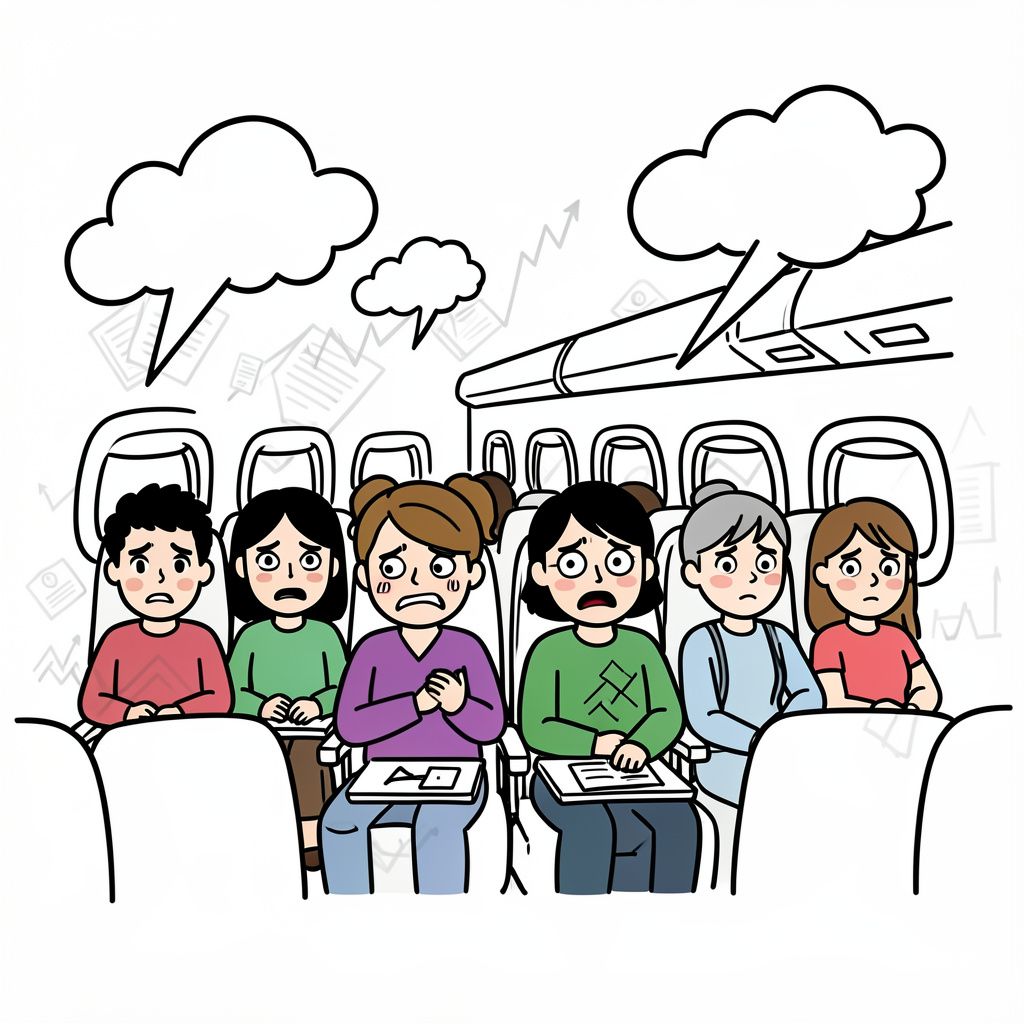
Five people were evaluated for injuries Tuesday after a JetBlue flight encountered severe turbulence near 14,000-meter storm clouds, highlighting intensifying atmospheric safety risks for commercial airlines.
Incident Overview: JetBlue Flight 1717
JetBlue Airways (NASDAQ: JBLU) Flight 1717 experienced severe turbulence en route from Ponce, Puerto Rico, to Fort Lauderdale-Hollywood International Airport on Tuesday, 17 November 2026. The incident resulted in five individuals requiring medical evaluation upon landing, according to multiple official reports. The aircraft, which departed Ponce and was scheduled to arrive at approximately 6:58 a.m. Eastern Time, landed safely at Terminal 3 of the Fort Lauderdale airport, where emergency personnel were stationed [1][2][5][8].
Response and Aftermath: Medical Evaluations and Aircraft Condition
Broward County Sheriff’s Fire Rescue personnel responded to reports of injuries shortly before 6:30 a.m., identifying five individuals who reported injuries or required evaluation for turbulence-related effects. All five declined transportation to local hospitals, and no structural damage to the aircraft was reported [1][2][5][8]. JetBlue issued a statement confirming the turbulence event and reiterating its commitment to passenger and crew safety, emphasizing that no one was transported to a hospital [1][2][8].
Meteorological Context: Storm Systems and Turbulence Risks
The turbulence encountered by Flight 1717 occurred amid active thunderstorms in the Turks and Caicos and southern Bahamas regions, where storm systems extended up to 14,000 meters (46,000 feet) in altitude. CNN meteorologist Brandon Miller noted that other aircraft in the area reported light to moderate turbulence, with flights attempting to navigate around the strongest storm cells [1]. Research from the University of Reading in the UK has identified a concerning trend: severe clear-air turbulence has increased by 55% since 1979, while moderate and light turbulence have risen by 37% and 17%, respectively. These changes are attributed to the climate crisis and its impact on atmospheric stability [2][GPT].
Broader Implications for Aviation Safety and Industry Oversight
The incident underscores growing concerns within the aviation industry regarding clear-air turbulence—a phenomenon invisible to radar—and its potential to escalate in frequency and intensity due to climate change. While turbulence has long been a recognized risk in air travel, experts warn of a worsening outlook as atmospheric conditions become more volatile [2][GPT]. The commercial aviation sector, already navigating operational and regulatory challenges, faces renewed pressure to enhance in-flight safety protocols and liability frameworks amid evolving weather patterns [alert! ‘No direct data on regulatory changes as of 17 November 2026’][2].
Sources
- www.cnn.com
- www.theguardian.com
- www.local10.com
- www.wral.com
- www.facebook.com
- x.com
- www.facebook.com
- www.nbcmiami.com