Federal Regulators Bar Oil Executive From Chevron Board After OPEC Price Allegations
Washington, Saturday, 26 September 2026.
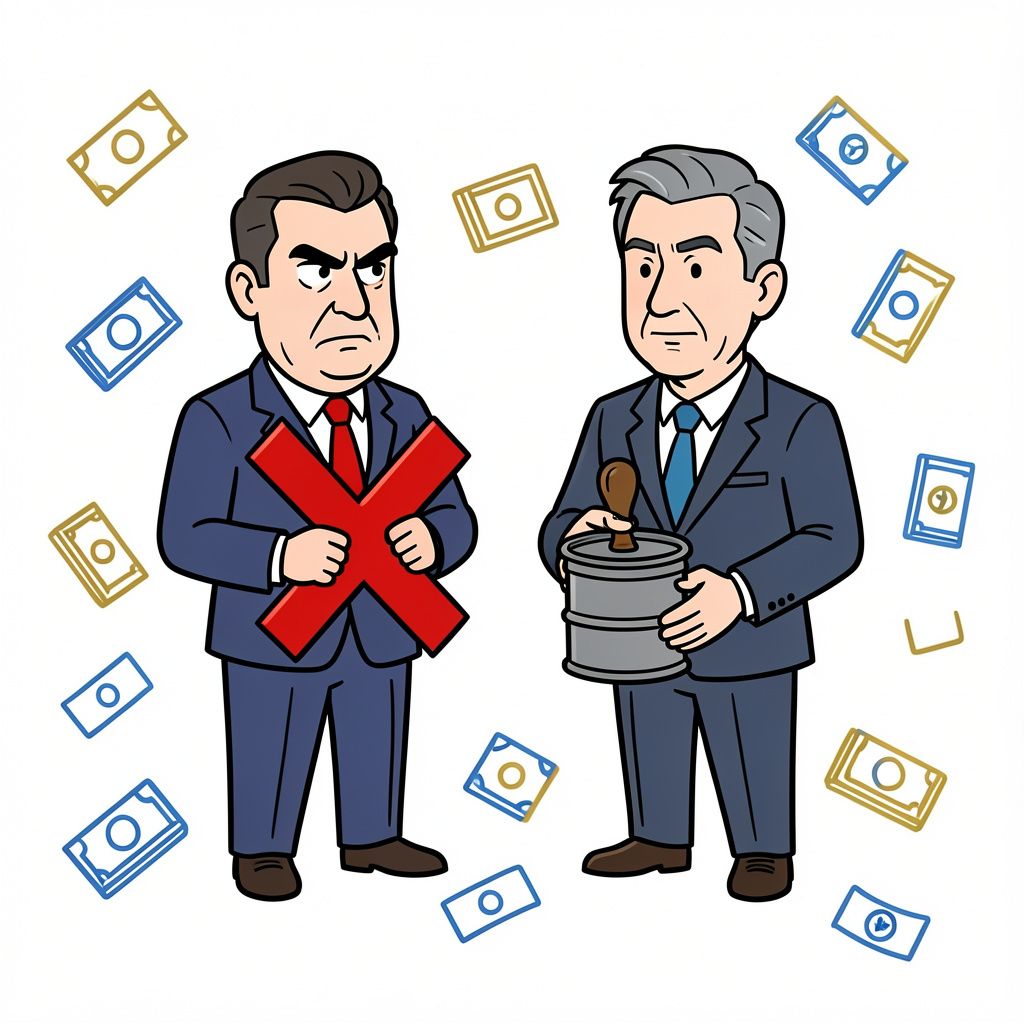
U.S. regulators barred Hess Corporation CEO John Hess from joining Chevron’s board, alleging he secretly coordinated with OPEC to limit production and inflate global oil prices.
Regulatory Action and Merger Conditions
On Monday, 21 September 2026, the Federal Trade Commission filed a formal complaint against John B. Hess, alleging secret communications with OPEC officials to manage inventory and restrict production [1]. Regulators assert that such coordination artificially inflates global energy prices, a practice deemed illegal under U.S. antitrust laws [1]. As a direct condition for clearing the $53 billion acquisition of Hess Corporation by Chevron, the FTC has barred John Hess from serving on the board of the combined entity [1]. While excluded from the board, Hess will retain an advisory role specifically regarding operations in Guyana [1]. This regulatory intervention highlights the agency’s willingness to impose leadership restrictions to mitigate perceived risks of market collusion [1].
Historical Precedent in Energy Sector
This enforcement action mirrors a May 2024 decree involving Pioneer Natural Resources, where the FTC similarly targeted communications between a CEO and OPEC [1][4]. In that instance, Scott Sheffield, former CEO of Pioneer, was excluded from the ExxonMobil board following the $64.5 billion acquisition [4]. The Chevron-Hess deal value of $53 billion represents a smaller transaction magnitude compared to the Exxon-Pioneer deal, calculated as -17.829 percent difference in nominal value [1][4]. Despite the similarity in regulatory conditions, corporate responses have diverged significantly between the two major oil companies involved [4].
Executive Responses and Dissent
John Hess expressed satisfaction that the merger cleared this regulatory hurdle, describing the transaction as outstanding for shareholders [1]. Conversely, Chevron CEO Mike Wirth noted it was unfortunate the board would not benefit from Hess’s decades of global experience [1]. FTC Commissioner Melissa Holyoak dissented, stating there was no reason to believe the law had been violated and criticizing the majority for fabricating a villain [1]. In the comparable Exxon case, Scott Sheffield alleged ExxonMobil collaborated with the FTC to create hurdles, describing the culture as notoriously cut-throat [4]. Sheffield claimed Exxon broke commitments made to him, contrasting the experience with the support Hess received from Chevron [4].
Market Implications and Oversight
The FTC asserts that OPEC controls approximately 50 percent of global oil production, giving it significant influence over pricing mechanisms [1]. Domestic coordination with such entities poses a heightened risk of harm to market competition according to federal regulators [1]. The agency continues to apply the Clayton Act of 1914 to modern energy mergers to prevent backdoor coordination between U.S. producers and foreign cartels [1]. Investors and industry observers will watch closely to see if these board exclusions effectively deter future communication or simply alter the channels of influence [1][4]. The enforcement trend suggests a sustained period of heightened antitrust scrutiny for large-scale energy consolidations [1].