Russian Fighter Jet Deliveries to Iran Delayed Until Regional Conflict Concludes
Tehran, Sunday, 1 November 2026.
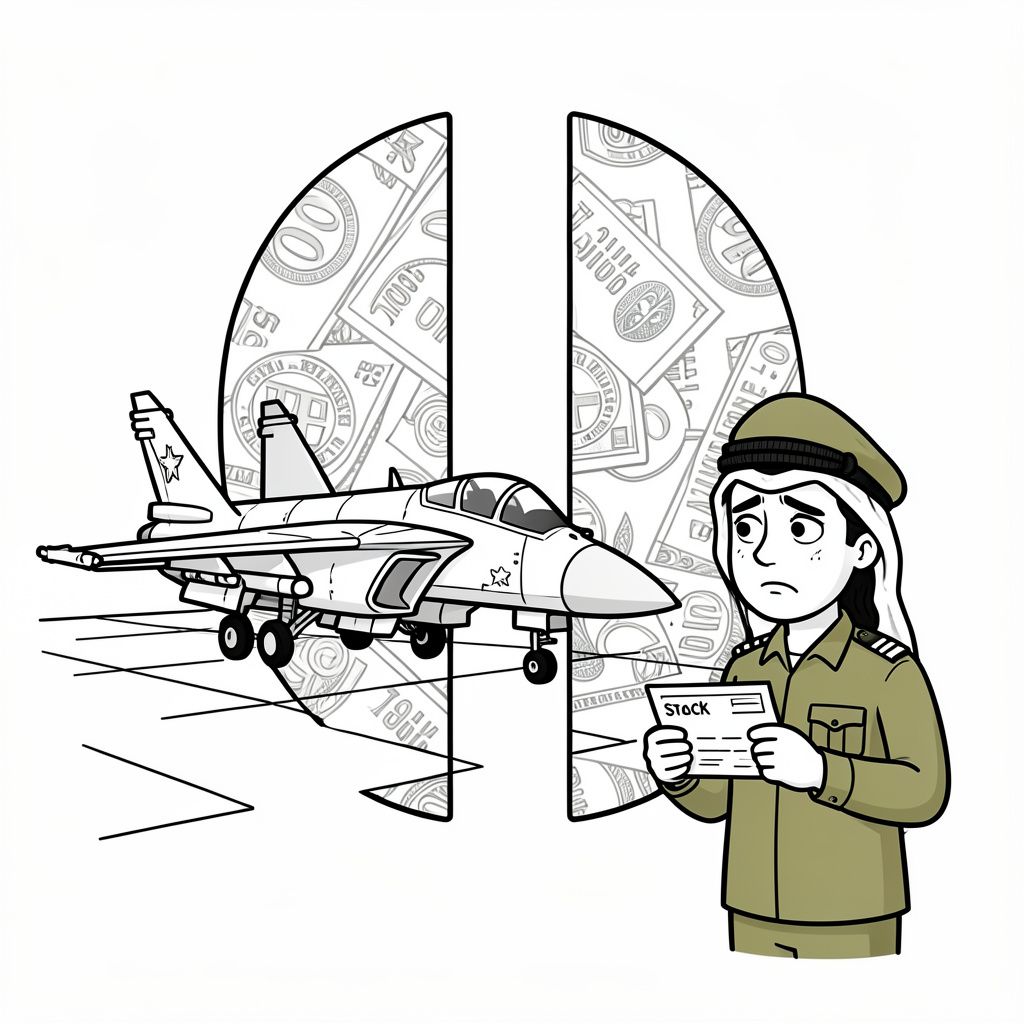
Despite finalizing contracts and pilot training, Iran confirmed that deliveries of advanced Russian Su-35 fighter jets remain postponed until the ongoing conflict with the United States officially concludes.
Iran’s Long-Awaited Su-35 Deal Hinges on War’s End
Iranian Army spokesman Brigadier General Mohammad Akraminia confirmed on October 31, 2026, that the Islamic Republic has completed all contractual and training prerequisites for receiving Russian Sukhoi Su-35 fighter jets, but emphasized that deliveries remain contingent on the conclusion of the ongoing US-Iran conflict that began in late February 2026 [1][2][4][8]. The delay, first acknowledged in February 2026 when hostilities commenced, has left Tehran’s air force operating with an aging fleet while awaiting the 4.5-generation aircraft that were originally scheduled for delivery before the war [1][2][4]. Akraminia stated that ‘God willing, we will definitely receive these aircraft after the war and upgrade our fleet,’ highlighting the strategic importance of these jets for Iran’s military modernization ambitions [1][2][4][8].
Breaking Down the Su-35 Acquisition: Contracts, Training, and Unresolved Questions
The Su-35 procurement process represents one of Iran’s most significant military modernization efforts in recent years. According to multiple reports, Iranian authorities finalized purchase agreements and completed pilot training programs prior to the February 2026 escalation, though neither Tehran nor Moscow has publicly disclosed the exact number of aircraft involved or the financial terms of the deal [1][2][3][4][8]. Unverified leaked documents cited by Defence Security Asia suggest an order of 48 aircraft under customer code 364, while other reports mention a fleet of 30 jets that could reshape Middle Eastern airpower dynamics by 2027 [4]. The lack of official confirmation extends to delivery timelines, with Iranian officials consistently stating that specific dates remain dependent on the resolution of hostilities [4][8].
Geopolitical Implications: Moscow-Tehran Military Ties Deepen Amid Regional Tensions
The pending Su-35 delivery underscores the deepening military cooperation between Russia and Iran, which has raised significant concerns among international policymakers and regional stakeholders. The United States Institute of Peace has noted that such defense partnerships could destabilize Middle Eastern shipping corridors and energy infrastructure, particularly in the Persian Gulf and Strait of Hormuz [GPT]. Brigadier General Akraminia acknowledged the importance of integrating these advanced aircraft with supporting systems, stating that ‘when you operate an advanced aircraft such as the Su-35, you must also have ground-based systems, airborne systems, and satellite capabilities supporting it’ [1][2]. This comment reflects Iran’s broader strategy to develop domestic radar, satellite, and electronic warfare capabilities to complement imported systems [1][2][4].
Infrastructure Preparations and Domestic Defense Ambitions
As Iran awaits the Su-35s, reports indicate that preparations are underway at potential operating bases, including Hamadan’s Shahid Nojeh Air Base, where infrastructure improvements to runways and hardened aircraft shelters are reportedly underway [4]. These preparations align with Iran’s stated goal of modernizing its conventional air operations, particularly as the Artesh (regular Iranian Army) rather than the Islamic Revolutionary Guard Corps will oversee the new fleet [4]. Akraminia emphasized that the aircraft’s arrival would enable ‘more advanced aircraft and equipment,’ though he did not specify how these additions would address Iran’s current airpower gap during active hostilities [2][8]. The ongoing uncertainty regarding delivery schedules and fleet size continues to cast a shadow over Iran’s immediate military capabilities, despite the completed groundwork for this critical procurement [3][4][8].
Sources
- www.jpost.com
- www.jns.org
- www.turkiyetoday.com
- defencesecurityasia.com
- www.facebook.com
- www.facebook.com
- www.youtube.com
- www.sadanews.ps