Why CVS Is Splitting Its Massive Business Into Two Companies
Woonsocket, Friday, 13 November 2026.
Facing intense regulatory pressure and high medical costs, healthcare giant CVS will break apart its $117 billion empire by 2028, completely separating 9,000 retail stores from its dominant insurance business.
A Strategic Reversal Amid Regulatory Headwinds
CVS Health Corp. (NYSE: CVS) has announced plans to split its $117 billion conglomerate into two publicly traded entities by the first half of 2028, marking one of the largest corporate restructurings in U.S. history [1][2][6][9]. The move reverses nearly two decades of vertical integration, including the $69 billion acquisition of Aetna in 2018 and the 2007 merger with Caremark [9]. This decision comes as federal and state regulators intensify scrutiny over pharmacy benefit managers (PBMs) and vertically integrated healthcare models, with Arkansas and Tennessee passing laws in 2024–2025 banning such integrations—laws now facing court challenges [4][10].
Unpacking the Corporate Divide
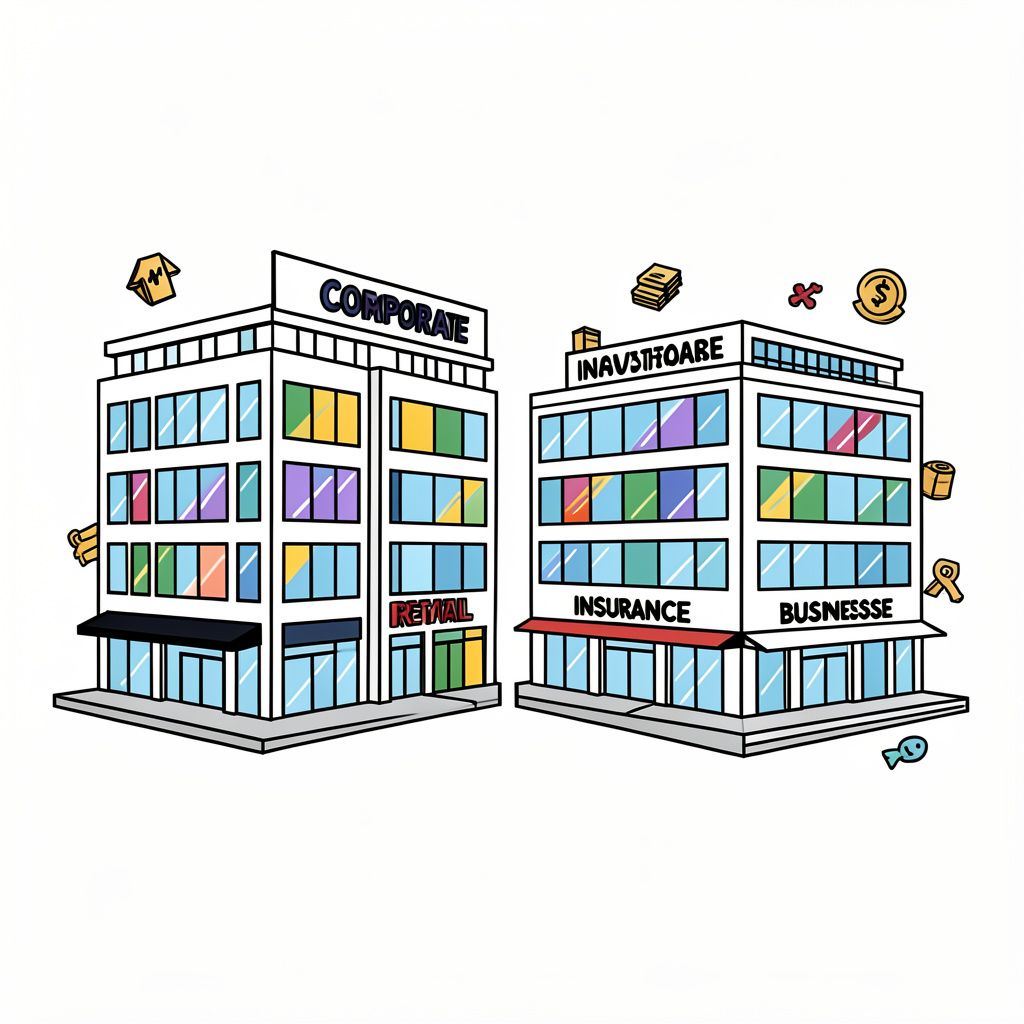
Under the planned split, CVS Pharmacy will retain the company’s 9,000 retail locations, mail-order operations, MinuteClinic walk-in clinics, and its Health100 tech platform, with Prem Shah slated to serve as CEO [2][6][9]. The newly renamed CVS Health will house Aetna, CVS Caremark, Oak Street Health, Signify Health, and specialty pharmacy units, continuing under CEO David Joyner [2][6][9]. This division aims to streamline operations, with Joyner emphasizing that ‘the businesses are best served by splitting’ to enhance focus and operational efficiency [2][6].
Driven by Market Pressure and Regulatory Scrutiny
The breakup follows years of financial underperformance at Aetna, which contributed to the firing of former CEO Karen Lynch in October 2024 and her replacement by Joyner [2]. Since then, CVS has cut $2 billion in costs, shuttered 900 retail locations between 2021 and 2024, and faced criticism from state officials, including Louisiana Senator Adam Bass, over inflated drug prices and corporate consolidation [3][4][10]. A 2026 KFF poll found that 6 in 10 adults worry about prescription costs, with 4 in 10 skipping doses or delaying fills due to affordability concerns [4].
Investor Caution and Analyst Skepticism
Despite the strategic rationale, the market responded cautiously to the announcement, with CVS shares falling 12% in midday trading on November 4, 2026, despite better-than-expected Q3 earnings [9]. Analysts remain divided: Mizuho’s Ann Hynes suggested the split could ‘unlock meaningful multiple expansion potential,’ while Evercore ISI’s Elizabeth Anderson noted it may ease regulatory concerns over joint ownership of PBMs and retail pharmacies [2]. Leerink Partners’ Michael Cherny described the move as ‘a complete shock,’ reflecting the broader uncertainty surrounding the decision’s long-term impact [6][9].
A Response to ‘Break Up Big Medicine’ Movements
The timing of the split coincides with a broader push to dismantle large healthcare conglomerates. Following the 2026 midterm elections, Democrats reclaimed control of Congress, amplifying calls to address corporate consolidation in healthcare [5][7]. The American Economic Liberties Project launched its ‘Break Up Big Medicine’ initiative in early 2025, targeting entities like CVS that control multiple layers of the drug supply chain [3]. Governor Jeff Landry of Louisiana even threatened a special legislative session in 2025 to ban PBMs from owning retail pharmacies [4].
Looking Ahead: Challenges and Opportunities
While CVS insists the split positions both companies for long-term success—forecasting 2027 adjusted earnings of at least $8.65 per share (above analyst estimates of $8.53)—the road ahead is fraught with challenges [5][7]. The two entities will need to renegotiate commercial agreements to preserve integrated offerings, including coordinated care for Medicare and specialty pharmacy patients [6]. Meanwhile, state-level PBM regulations, such as Louisiana’s mandate for higher reimbursement rates for non-chain pharmacies, may force further adaptations [4]. As Ohio’s skepticism illustrates, critics argue the breakup merely ‘scrapes the cream off the top’ without fundamentally addressing systemic issues in drug pricing [1].
Sources
- www.newsfromthestates.com
- www.centraloregondaily.com
- www.nola.com
- jrreport.wordandbrown.com
- www.calbrokermag.com
- www.fool.com
- westfaironline.com
- www.facebook.com
- www.reuters.com
- www.ftc.gov