Poland Prioritizes Zloty Retention as Economic Growth Outpaces Eurozone
Warsaw, Sunday, 25 January 2026.
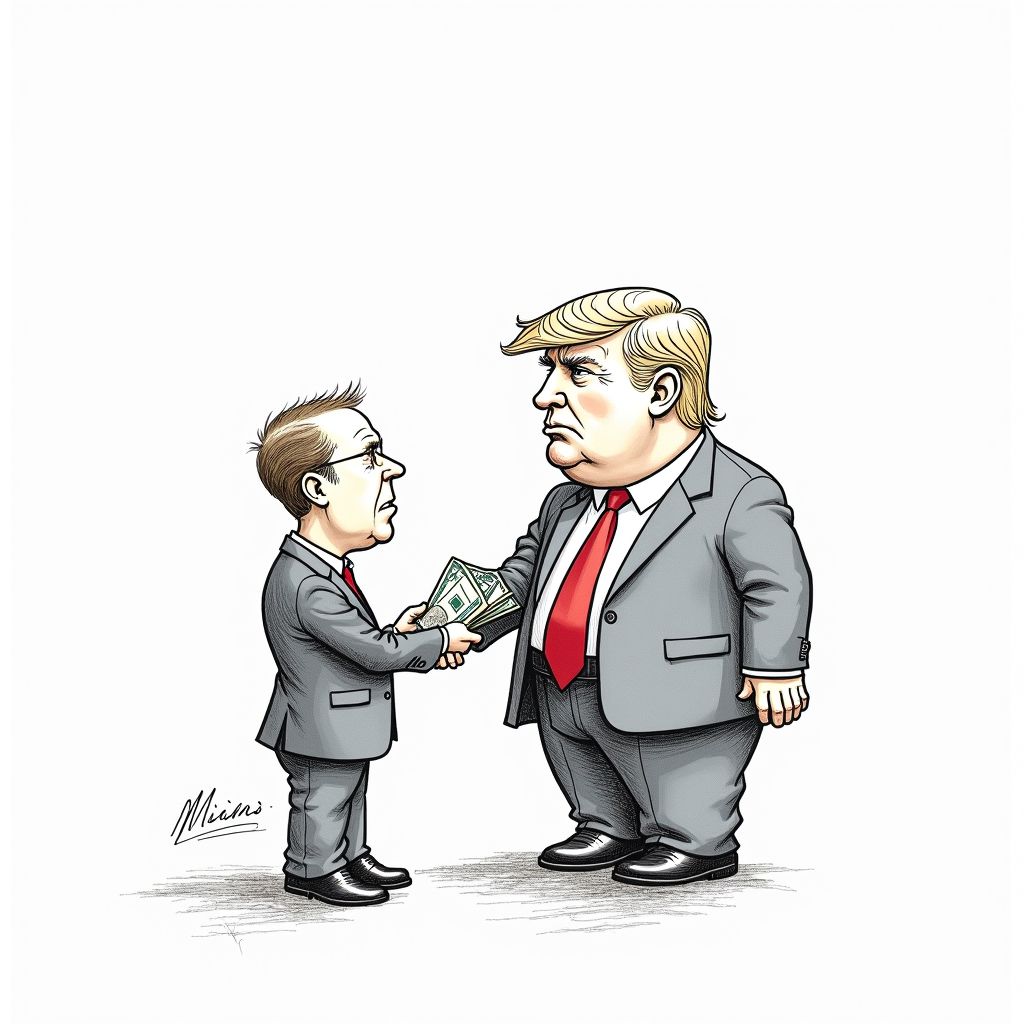
Polish Finance Minister Andrzej Domanski stated on Sunday that the nation will delay Eurozone accession, citing data that proves the domestic economy is outperforming member states sharing the single currency. Speaking to the Financial Times on January 25, 2026, Domanski argued that retaining the zloty currently offers superior economic utility, a stance bolstered by OECD forecasts predicting Poland will lead EU growth at 3.4%. Highlighting this rising global status, Poland’s GDP has surpassed $1 trillion, prompting U.S. President Donald Trump to invite the nation to the upcoming G20 summit in Miami as an observer.
Economic Pragmatism Over Political Ambition
Finance Minister Andrzej Domanski emphasizes that the decision to delay Eurozone entry is driven by empirical economic data rather than political sentiment. In his interview with the Financial Times, he explicitly noted that Warsaw possesses “more and more data, research and arguments” to maintain the national currency, as the Polish economy is currently outperforming most of the bloc’s members [1][5]. While public opinion in Poland continues to favor the zloty, Domanski stressed that the government’s hesitation is rooted in economic pragmatism rather than domestic politics [2][4]. This stance is supported by external projections; in December, the OECD forecast that Poland’s economy would grow by 3.4% this year, ranking it as the fastest-growing economy within the European Union [4].
A Shift in Monetary Strategy
The current administration’s position represents a significant pivot from its historical strategy. During his first term as Prime Minister in 2008, Donald Tusk had championed a roadmap to adopt the euro by 2011 [2]. However, those plans were shelved following the onset of the global financial crisis and the subsequent sovereign debt crisis that gripped the Eurozone [2][4]. Domanski admitted that while he previously feared Poland might be relegated to a “two-tier EU” by remaining outside the currency bloc, the nation has instead secured a position in the “top economic tier,” negating the urgency to abandon the zloty [4]. The Finance Minister argues that the country is “better served by retaining the zloty for now,” utilizing the currency’s flexibility to navigate the current economic landscape [4].
Currency Strength and Global Ambitions
Market performance has reinforced the government’s cautious approach. Since the parliamentary elections in October 2023, the zloty has strengthened against the euro, providing a buffer that some economists argue is essential for maintaining national competitiveness [3][4]. Although EU member states are formally obliged to join the single currency area once specific convergence criteria are met, Warsaw is currently prioritizing its role on the global stage over monetary integration [1][4]. This economic ascent has been quantified by significant milestones; Poland’s Gross Domestic Product surpassed $1 trillion last year, establishing it as the world’s 20th-largest economy [4]. This growing influence was further recognized when U.S. President Donald Trump invited Poland to attend this year’s G20 summit in Miami as an observer, signaling Warsaw’s expanding footprint in global finance [4].