South Africa's Governing Party Collapses to Historic Low in Local Elections
Johannesburg, Sunday, 8 November 2026.
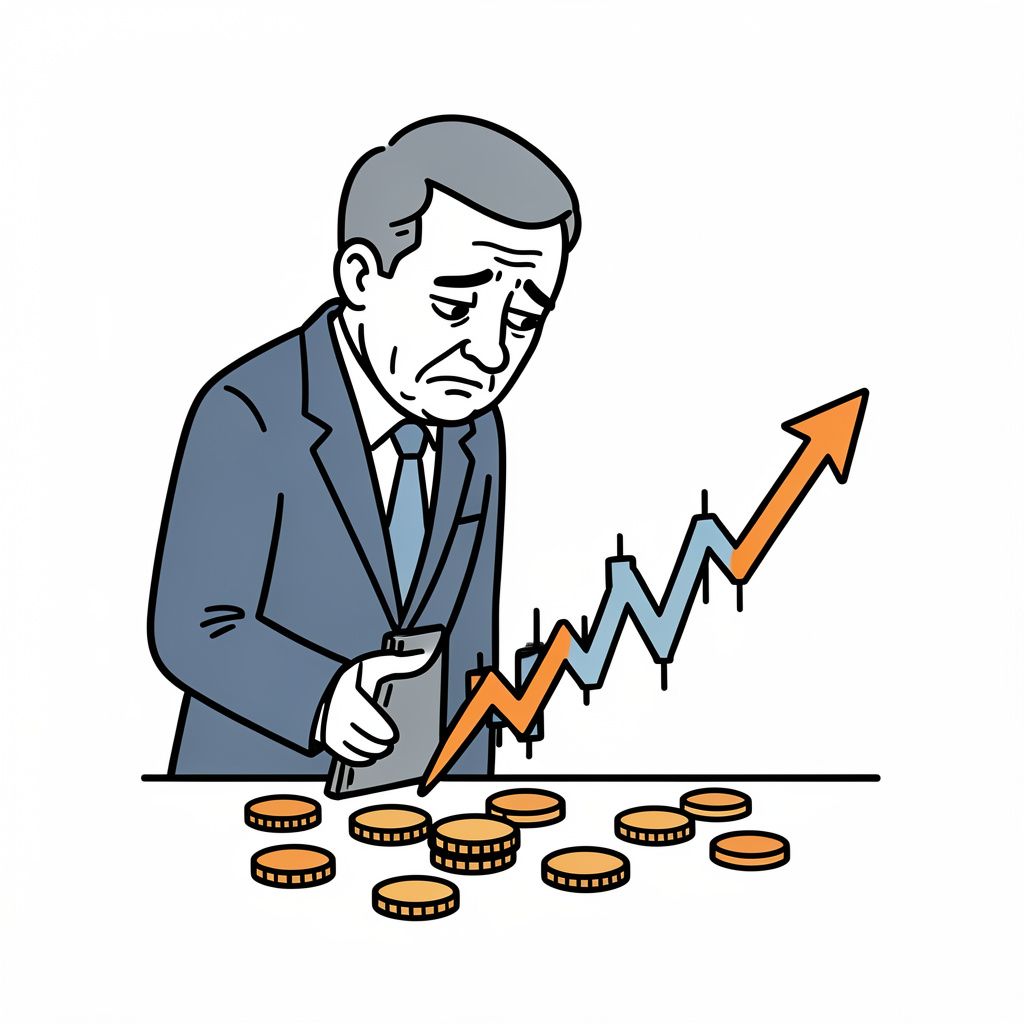
South Africa’s governing party plunged to just 31% in local elections, losing major economic hubs to rivals as voter anger over chronic infrastructure failures fractures the nation’s political landscape.
Historic Collapse of ANC’s Dominance
South Africa’s ruling African National Congress (ANC) has suffered its worst electoral defeat in history, plummeting to just 30.76% in Wednesday’s local government elections, a figure confirmed by the Independent Electoral Commission on Sunday, 8 November 2026 [1][2][3]. The party, once the unassailable political force that ended apartheid under Nelson Mandela in 1994, now commands a mere 31% nationally, down from 46% in 2021 and a staggering 64.82% two decades prior [2][3]. This decline represents a -33.13 33.13% drop in vote share since 2021 alone [alert! ‘Calculation uses 2021 figure from source [2]’].
Erosion of ANC’s Traditional Strongholds
The ANC’s collapse has been most dramatic in metropolitan areas, where chronic service delivery failures have eroded public trust. The party retained a majority in only one of South Africa’s nine provinces—Limpopo—and lost control of critical economic hubs including Johannesburg, Pretoria, and Durban (eThekwini) [2][3][5]. The Democratic Alliance (DA), the ANC’s main opposition, secured 24.64% nationally, up marginally from 21.83% in 2021, while former President Jacob Zuma’s uMkhonto weSizwe (MK) party surged to 9.76%, capturing Durban and challenging ANC dominance in KwaZulu-Natal [2][5]. In Gauteng’s three metropolitan municipalities—Johannesburg, Tshwane, and Ekurhuleni—the ANC’s vote share collapsed to just 20% in projections, with the DA leading at 34% [4].
Root Causes: Infrastructure Collapse and Corruption
Voter backlash stems from systemic failures in service delivery, with electricity and water shortages crippling municipalities across the country. Johannesburg alone faces a R220 billion (£9.9 billion) infrastructure backlog after a decade marked by 10 mayoral changes [4]. Political analysts attribute the ANC’s decline to widespread corruption, mismanagement, and the inability to address unemployment and crime [2][3][5]. ANC Secretary-General Fikile Mbalula admitted the outcome was “catastrophic,” while President Cyril Ramaphosa acknowledged the verdict with uncharacteristic humility, stating the party must respect the people’s will despite the concerning decline [2][3].
Coalition Chaos and the Future of South African Governance
With the ANC’s national majority already lost in the 2024 general elections, local coalitions are now the battleground for political survival. Parties have 14 days from the announcement of results to negotiate municipal governments, with coalitions likely excluding the ANC in key cities like Cape Town, Johannesburg, and Pretoria [2][3]. Analysts warn the ANC faces further fragmentation, potentially becoming the second-largest party by 2029 as voters increasingly abandon loyalty-based voting [2][3]. William Gumede, a political commentator, described the results as “the end of the liberation movement era,” signaling a post-racial voting pattern and a new era of coalition governance in South Africa [2].
Sources
- www.politico.com
- www.bbc.com
- www.dw.com
- www.theguardian.com
- apnews.com
- www.facebook.com
- www.youtube.com
- www.facebook.com