Regulators Block EchoStar From Using $2.4 Billion 5G Fund for Internal Debts
Washington, Sunday, 2 August 2026.
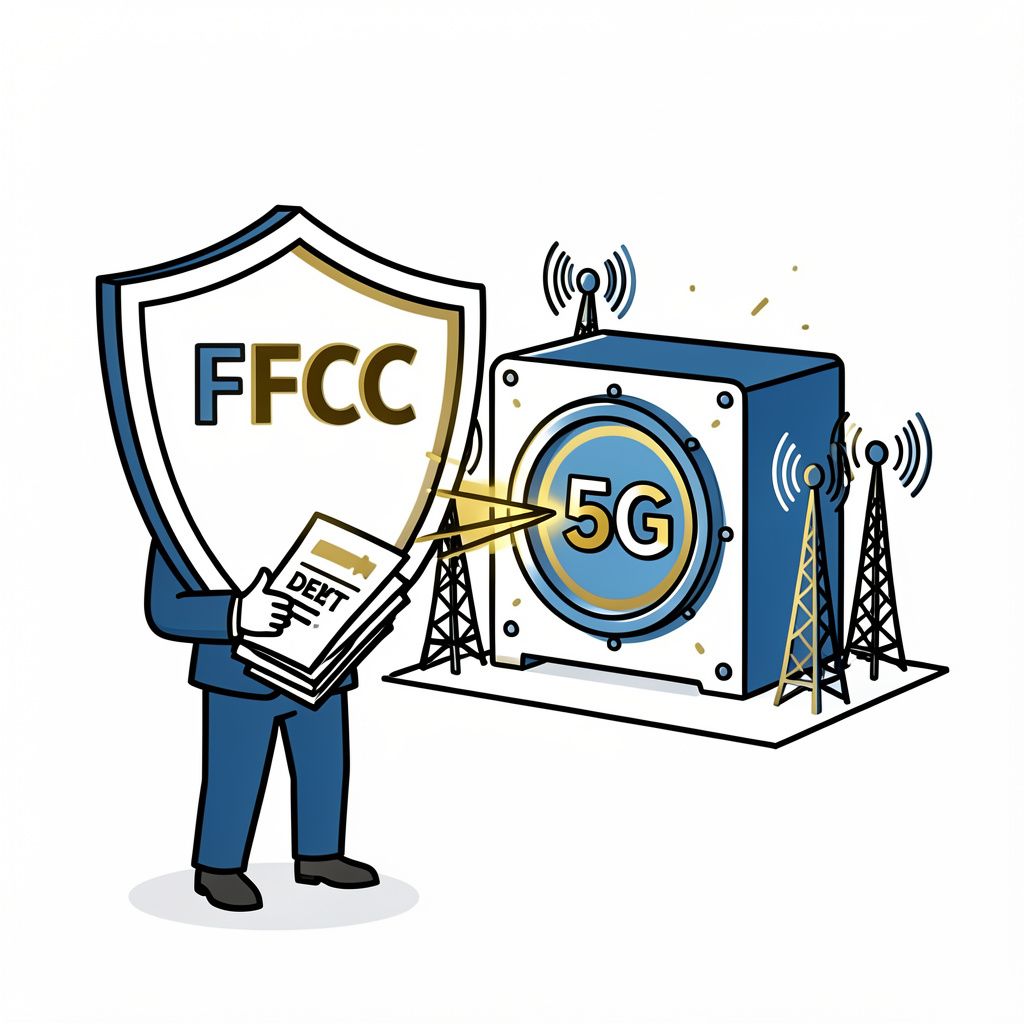
The Federal Communications Commission ruled late July 2026 that EchoStar cannot tap a $2.4 billion 5G trust fund to settle an $8.8 billion internal debt, reserving the money for outside infrastructure contractors.
FCC Memorandum Opinion and Order Details
On July 29, 2026, the Federal Communications Commission released a Memorandum Opinion and Order explicitly restricting the use of the $2.4 billion trust fund to external infrastructure providers [2][4]. The regulatory body determined that EchoStar could not utilize these reserved assets to satisfy an $8.8 billion intercompany loan owed to Dish Network Corporation, a move characterized by the agency as an attempt to “swallow the fund” [4][6]. The FCC Wireless Bureau emphasized that the capital was designated solely for contractors, tower companies, and landlords who performed work on the now-abandoned 5G network buildout [2][3]. This decision effectively blocks the telecom operator from redirecting funds intended for third-party vendors to internal subsidiary debts [1][3].
Origins of the Trust Fund Requirement
The trust fund was established as a condition for FCC approval of EchoStar’s spectrum license sales to AT&T and SpaceX, a transaction valued at over $40 billion total [2][6]. In May 2026, the FCC Space and Wireless bureaus signed off on the transfer of AWS-4, AWS-H Block, and other licenses, mandating the escrow to compensate suppliers left with unpaid bills [6][7]. AT&T closed its $23 billion portion of the spectrum deal during the week of July 26, 2026, resulting in the required $2.4 billion deposit into the fund [2][5]. The regulatory condition was designed to prevent industry damage, given that Dish Wireless accounted for a significant portion of tower rental revenue prior to its network plans halting [5][6].
Bankruptcy Proceedings and Debt Structure
EchoStar subsidiaries, including Dish Wireless, filed for Chapter 11 bankruptcy in the U.S. Bankruptcy Court for the Southern District of Texas in June 2026 [2][3]. In their filing, the subsidiaries reported over $13 billion in wireless network buildout expenditures and sought to claim the trust fund assets against the $8.8 billion intercompany debt [3][4]. The trust fund covers only 27.273 percent of the outstanding intercompany loan claimed by the subsidiary, highlighting the disparity between the fund’s size and the debt [3][4]. Prior to the ruling, EchoStar had argued in court that the fund could be used to pay the loan one subsidiary made to another, a claim the FCC rejected [1][4].
Industry Reaction and Future Implications
Industry groups including the Wireless Infrastructure Association and the American Wireless Builders Coalition petitioned the FCC to prevent the fund from being treated as a “slush fund” during bankruptcy proceedings [4][5]. Mike Saperstein, Chief Strategy Officer at the Wireless Infrastructure Association, stated the order ensures dollars go to infrastructure providers rather than being “absurdly consumed by DISH/EchoStar to benefit itself” [3][5]. While the spectrum deal with AT&T has closed, the transaction with SpaceX is expected to close in 2027, subject to ongoing regulatory oversight [2][5]. The FCC’s action sets a precedent for protecting vendor payments in similar large-scale infrastructure bankruptcies [1][3].
Sources
- www.law360.com
- www.fierce-network.com
- communicationsdaily.com
- insidetowers.com
- broadbandbreakfast.com
- communicationsdaily.com