Mexico Scrambles as Trump Targets Cuba Oil Suppliers with Tariffs
Mexico City, Sunday, 1 February 2026.
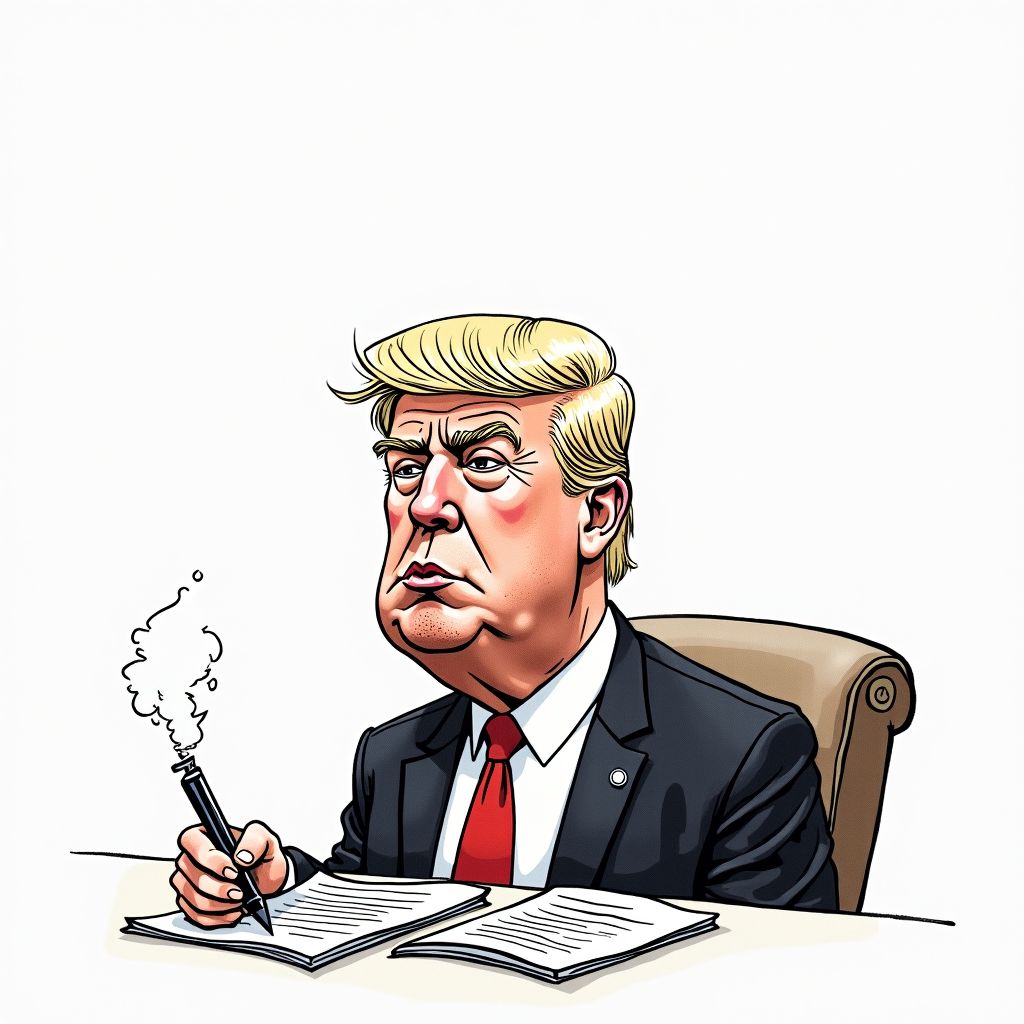
President Sheinbaum revealed she was blindsided by Trump’s executive order threatening tariffs on Cuban oil suppliers, noting the topic was omitted during their 40-minute phone call just hours prior.
A Surprise Directive
The directive, officially signed by President Trump on Thursday, January 29, 2026, declares a national emergency and authorizes the imposition of duties on imports from any country that “directly or indirectly” provides petroleum to the island nation [1][3]. While the exact tariff rates remain at the administration’s discretion, the move is explicitly designed to “suffocate” the Cuban economy, with White House officials citing the need to hold the regime accountable for its alleged support of hostile actors [2][3]. This escalation comes at a critical juncture for Havana; following the U.S. military’s seizure of Venezuela’s oil industry and the capture of President Nicolás Maduro earlier in January, Mexico has effectively become Cuba’s last major energy lifeline [1][2].
The Economics of a Blockade
The logistical impact of the threatened sanctions is already visible in trade data. Mexico’s oil exports to Cuba had already precipitated a sharp decline prior to the executive order, dropping from an average of 17,000 barrels per day (bpd) in the first nine months of 2025 to just 7,000 bpd in January 2026—a decrease of approximately 58.824% [1]. Despite this reduction, President Sheinbaum warned on Friday, January 30, that a complete cessation of supplies caused by U.S. tariffs could precipitate a “far-reaching humanitarian crisis,” threatening the operation of hospitals and essential services for the island’s 11 million inhabitants [1][4].
Diplomatic Fallout and Domestic Risks
President Sheinbaum is now attempting to navigate a diplomatic tightrope, asserting Mexican sovereignty while trying to avoid a trade war. While she emphasized on Friday that Mexico would “seek a way” to show solidarity with the Cuban people without putting her country at risk, the internal political pressure is mounting [2]. Within her own party, Morena, fissures are appearing; Senator Ricardo Sheffield has called for a review of oil pacts, arguing that continued shipments could provoke further conflict with the U.S. [4]. Conversely, former diplomats like Arturo Sarukhán have warned that the situation could have severe “spillover effects,” potentially jeopardizing bilateral cooperation on critical counter-narcotics and migration enforcement [3].
Summary
The sudden imposition of tariff threats by the United States has forced Mexico into a precarious position, wedged between its historical diplomatic ties to Cuba and its economic dependence on U.S. trade. With Cuba’s energy reserves critically low and the Trump administration signaling a maximum-pressure campaign, the decisions made in Mexico City in the coming days will likely determine the stability of the Caribbean region and the trajectory of future U.S.-Mexico cooperation.
Sources
- www.cbc.ca
- www.theguardian.com
- www.politico.com
- www.latimes.com
- www3.nhk.or.jp
- www.bloomberg.com
- english.news.cn
- www.cbs42.com