European Union Urges Britain to Increase Tariffs on Chinese Electric Cars
Brussels, Friday, 25 September 2026.
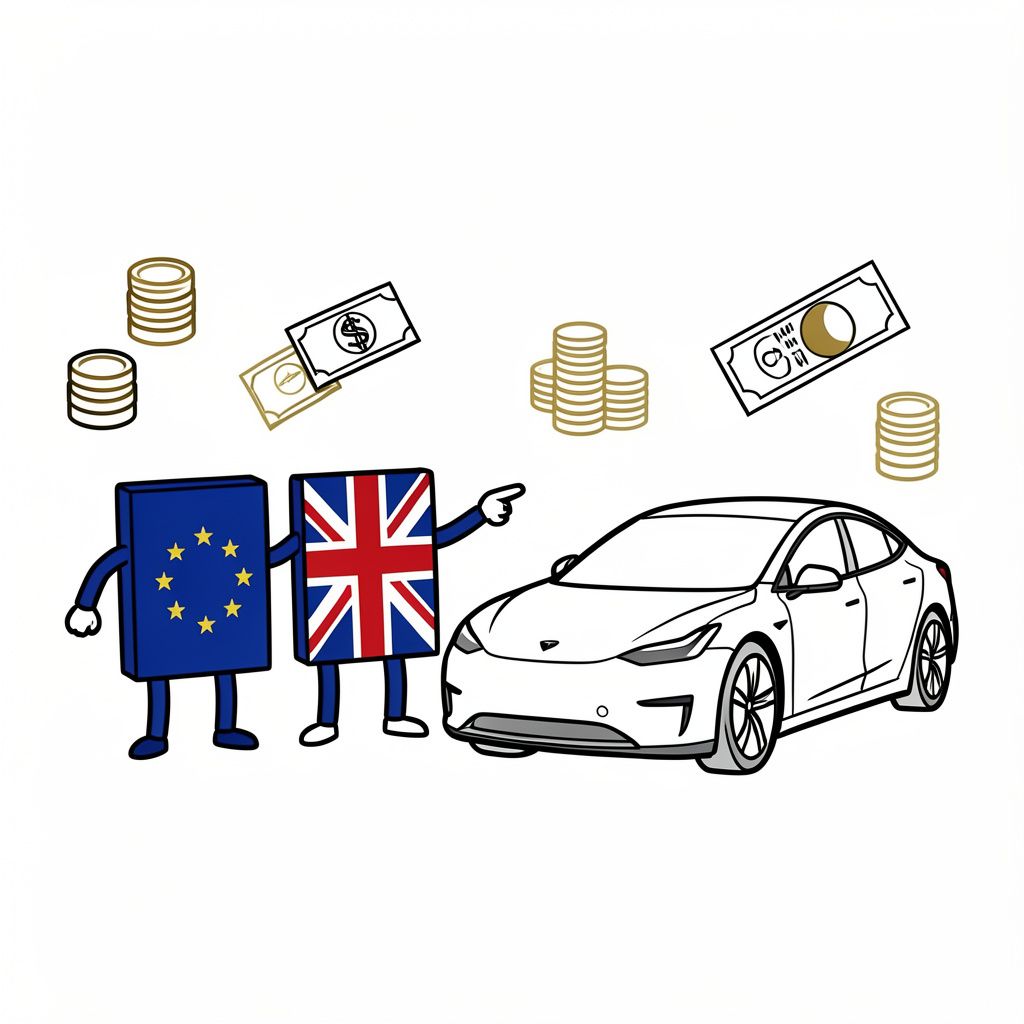
The European Union is pressuring Britain to raise its 10% tariff on Chinese electric vehicles, warning that lower British duties could allow Chinese automakers to bypass EU trade barriers.
Regulatory Alignment Pressures
Reports indicate that adopting similar trade measures could help British car manufacturers avoid regulatory barriers under the EU’s proposed ‘Made in Europe’ regulations [1]. An EU official noted that a customs union would solve most of the problems associated with ‘made in Europe’ status, addressing fears that Chinese exporters could route vehicles through the UK to avoid EU tariffs [1]. This dialogue underscores the complexity of post-Brexit trade relationships, where regulatory divergence creates potential loopholes in Western trade defense mechanisms [1]. The European Commission has made it clear that alignment is preferred to prevent circumvention of established trade barriers designed to protect regional industries [1].
Political and Economic Stakes
British Prime Minister Andy Burnham said this week that he would push for Britain to be considered a “trusted partner” under the EU’s proposed “Made in Europe” rules [1]. Burnham warned that excluding the UK could damage its car industry, highlighting the economic stakes involved in the negotiations [1]. The policy aims to reduce reliance on Chinese components by prioritizing European-made goods, which could affect Britain’s auto industry as it supplies parts to EU production chains [1]. This week refers to the period leading up to 25 September 2026, marking a critical window for diplomatic engagement [1][GPT].
Strategic Trade Implications
The UK currently applies a 10% tariff on Chinese cars, while the EU imposes additional duties on Chinese electric vehicles [1]. European Commission President Ursula von der Leyen said this month that the EU would use “every available tool” to reduce what she called an “unsustainable” trade deficit with China [1]. This month refers to September 2026, marking a period of heightened trade tension between Western economies and Chinese exporters [1][GPT]. The move highlights growing Western pressure to coordinate industrial and trade policies against subsidized exports, carrying significant strategic implications for transatlantic supply chains [1].