Microsoft and Gildan Face Investor Backlash After Shocking Stock Plunges
New York, Friday, 19 June 2026.
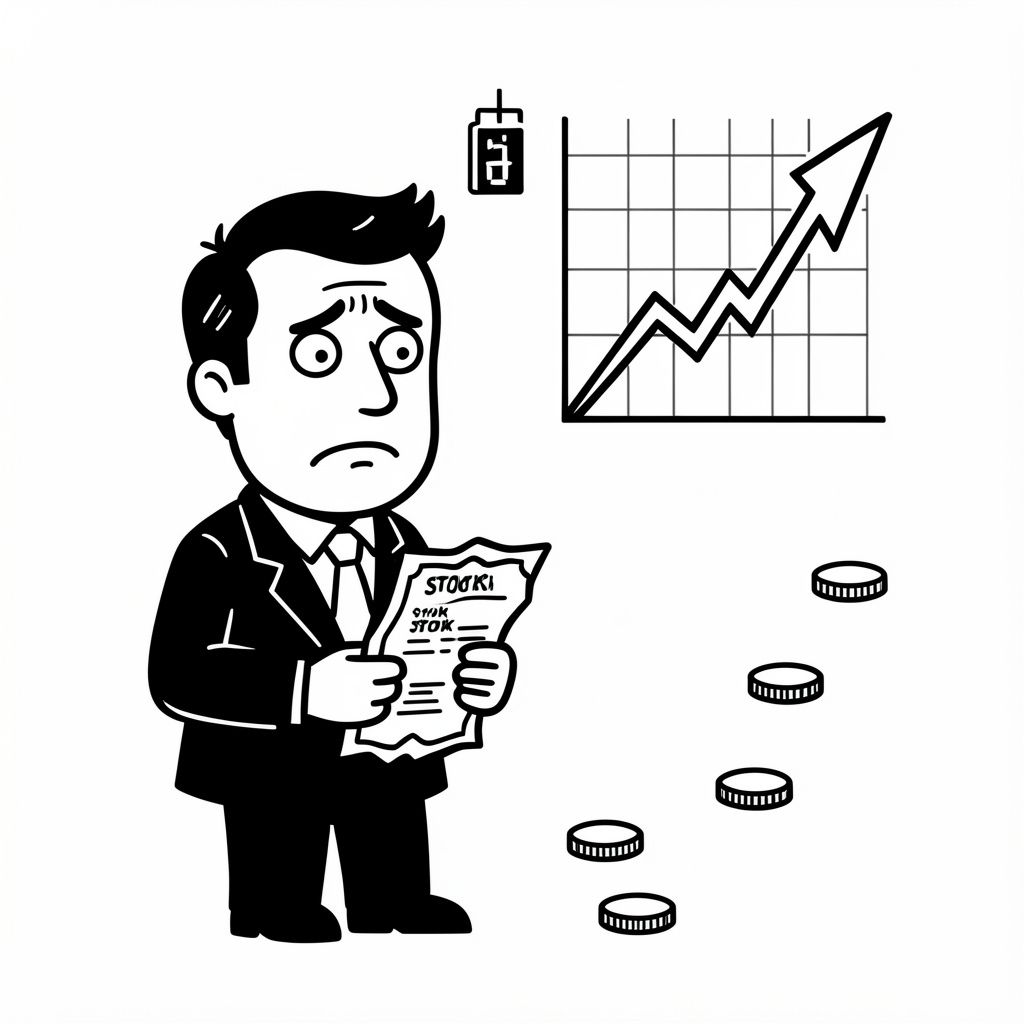
Microsoft and Gildan Activewear saw their stocks crash 10% and 18% respectively after fraud allegations surfaced, sparking investor lawsuits. Microsoft’s AI assistant Copilot was accused of misrepresenting its capabilities, while Gildan faced claims of inflating sales through channel stuffing. Investors lost millions in hours, revealing the high stakes of corporate transparency in today’s market.
The Copilot Catastrophe: How Microsoft’s AI Ambitions Backfired
Microsoft Corporation (NASDAQ: MSFT) [1] faced a brutal market reckoning on January 29, 2026, when its stock plummeted $48.13 per share, closing at $433.50 - a 9.993% single-day decline [2]. The collapse followed a disastrous Q2 FY2026 earnings report that revealed three critical failures: Azure cloud growth had stalled below analyst expectations, capital expenditures had ballooned to unsustainable levels, and Copilot’s user adoption was far below projections [2]. The company disclosed that Azure’s decelerating growth stemmed from computational capacity constraints, as Microsoft had diverted significant CPU and GPU resources to support its generative AI initiatives, particularly the Copilot assistant [2].
Gildan’s Channel Stuffing Scandal: A Textile Industry Cautionary Tale
Gildan Activewear Inc. (NYSE: GIL) (TSE: GIL) [3] experienced an even more dramatic collapse on June 16, 2026, when its stock price plunged from $61.97 to $50.35 - an 18.751% single-day decline [4][5]. The catalyst was a scathing report from Jehoshaphat Research titled ‘Stuffing All of the Time?’ which alleged that Gildan had systematically inflated its revenue through channel stuffing - a practice where companies overship products to distributors to artificially boost sales figures [4][5]. The report claimed this practice had ‘cannibalized future demand’ and ‘inflated the overall growth trajectory’ of the business [4].
Legal Fallout: The Lawsuit Frenzy Begins
Within days of the stock collapses, multiple law firms launched investigations into potential securities fraud at both companies. BFA Law announced investigations into Microsoft [1] and Gildan [3] on June 19, 2026, while the Law Offices of Howard G. Smith initiated separate investigations into both companies on June 16-17, 2026 [2][4]. Bronstein, Gewirtz & Grossman joined the legal fray on June 18, 2026, specifically targeting Gildan [6][7]. These investigations focus on whether the companies made materially false or misleading statements regarding their financial performance and business prospects [1][3][4].
Market Implications: A Warning for Corporate America
The simultaneous crises at Microsoft and Gildan serve as a stark warning about the financial risks of operational and reporting misconduct. The Microsoft case demonstrates how rapidly investor sentiment can shift when a company’s core growth narrative is disrupted - in this case, by the underperformance of its flagship AI product [2]. The Gildan scandal illustrates the dangers of aggressive revenue recognition practices, particularly in industries with complex distribution networks [4].
Investor Takeaways: Navigating the New Transparency Landscape
For investors, these cases offer several critical lessons. First, they highlight the importance of scrutinizing not just reported financial results, but also the underlying business practices that generate those results [GPT]. The Microsoft case shows how quickly AI hype can turn to skepticism when concrete performance metrics fail to materialize [2]. Second, the Gildan scandal demonstrates the risks of over-reliance on short-term revenue growth, particularly when achieved through aggressive distribution tactics [4].
Sources
- www.globenewswire.com
- www.businesswire.com
- www.globenewswire.com
- www.businesswire.com
- www.globenewswire.com
- www.bramptonguardian.com
- www.thestar.com
- pr.portlandtribune.com