Trump Demands Unconditional Surrender as Conflict with Iran Intensifies
Washington D.C., Friday, 6 March 2026.
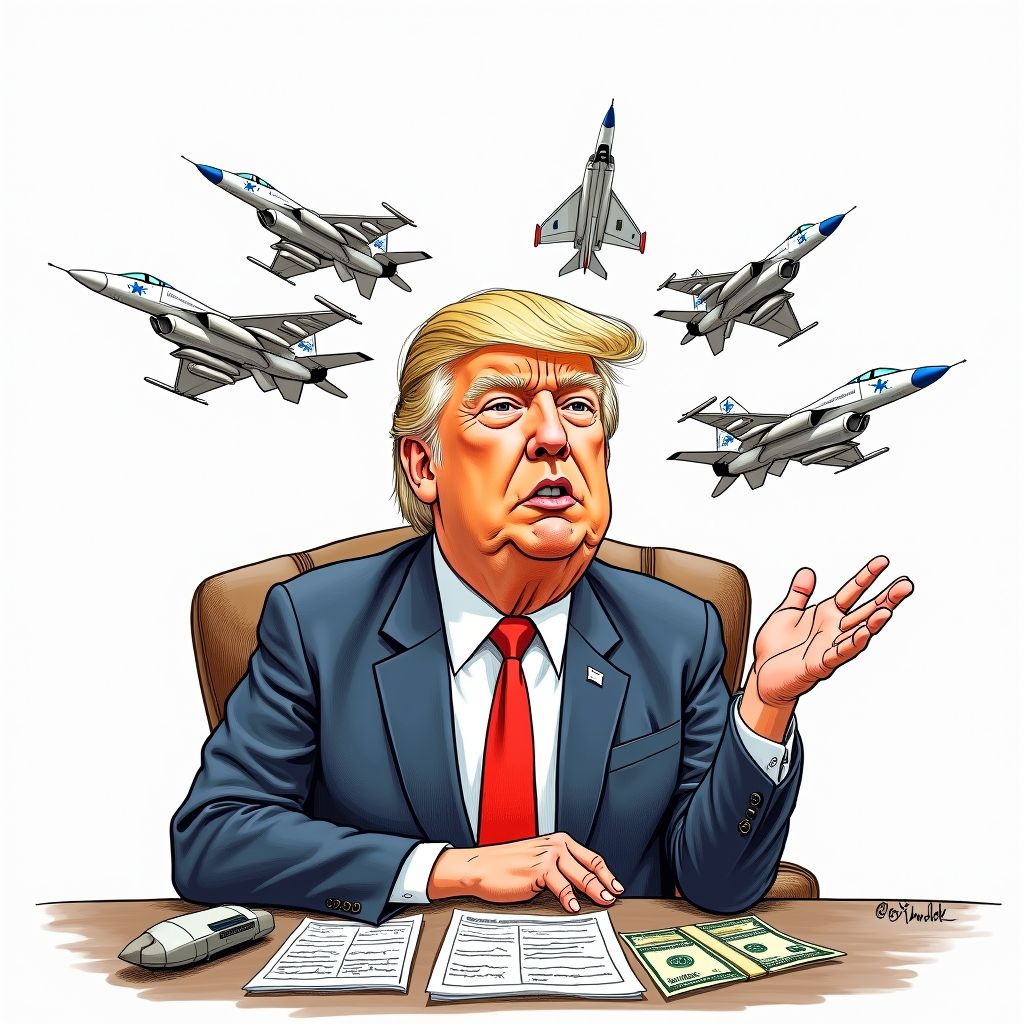
President Trump ruled out negotiations today, demanding Iran’s “unconditional surrender” and invoking a “Make Iran Great Again” strategy as Israeli jets struck Tehran and Beirut.
From Decapitation to Systemic Collapse
This dramatic escalation marks a decisive pivot from the events detailed in our previous report, “Trump Launches Major Military Campaign in Iran, Killing Supreme Leader Khamenei,” which analyzed the immediate fallout of Operation Epic Fury [1]. While the initial phase focused on decapitating the regime’s leadership, Friday’s developments suggest a broader strategy aimed at total systemic collapse rather than containment. President Trump’s refusal to negotiate is underpinned by a belief that the Iranian regime’s command structure has been irreparably shattered. Speaking to reporters on March 4, Trump asserted that most potential successors to the Supreme Leader are already “mostly killed,” leaving a power vacuum that complicates any potential diplomatic off-ramp [4]. The President framed the choice for the remaining Iranian leadership in stark terms: “total immunity” for those who cooperate, or “guaranteed death” for those who resist [3].
A “New Stage” of Aerial and Naval Warfare
The military campaign has synchronized with this rhetorical escalation. On March 6, the Israeli military announced a “new stage” in operations, conducting a massive strike on a bunker in Tehran believed to be used by remaining officials [2]. The operation involved approximately 50 fighter jets dropping nearly 100 bombs on the underground facility [2]. Simultaneously, the U.S. expanded the theater of conflict to the seas. The U.S. military confirmed striking the IRIS Shahid Bagheri, a converted container ship serving as a drone carrier with a 180-meter runway [5]. This follows reports from earlier in the week that a U.S. submarine sank an Iranian frigate off the coast of Sri Lanka [5].
Energy Markets and Regional Stability
The conflict’s radius has expanded beyond Iran’s borders, with Tehran launching retaliatory missile and drone attacks into Kuwait, Qatar, Saudi Arabia, and Bahrain on March 5 [5]. This widening hostility has created a sharp divergence in energy market forecasts. While International Energy Agency (IEA) Executive Director Fatih Birol sought to calm markets on Friday by insisting there is “no oil shortage” and a “huge surplus,” regional officials offer a much grimmer outlook [2]. Qatar’s Energy Minister, Saad al-Kaabi, warned that energy prices are poised to rise, predicting product shortages and a chain reaction of industrial supply failures [2].
Sources
- wsnext.com
- www.theguardian.com
- www.skynews.com.au
- www.aljazeera.com
- www.9news.com.au
- www.aljazeera.com