Energy Drinks Face Scrutiny as New Study Connects Heavy Consumption to Sudden Heart Risks in Young Adults
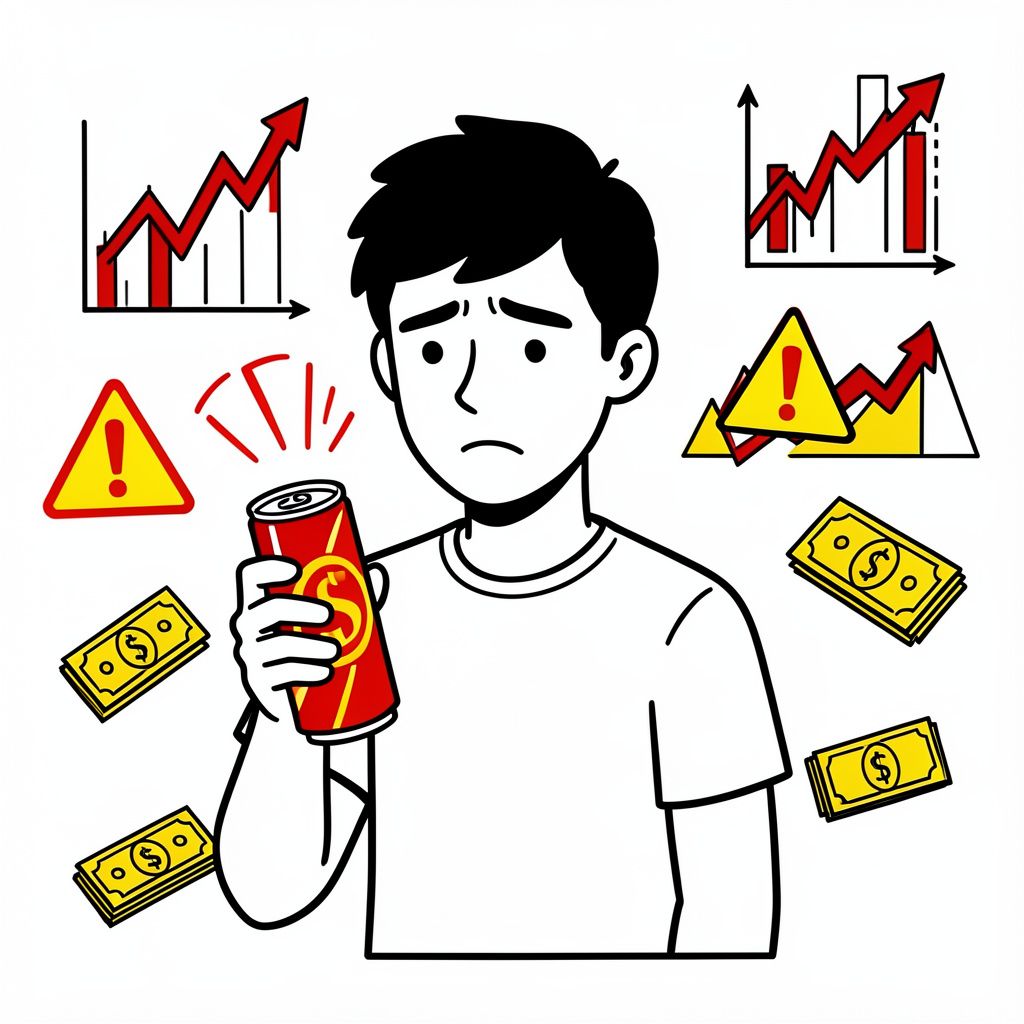
Dallas, Tuesday, 3 November 2026.
FDA data revealed cardiac arrest was reported 11 times more often with stimulant-heavy energy drinks, threatening a $20 billion market with strict regulatory scrutiny and labeling challenges.
Regulatory and Legal Storm Brewing for Energy Drink Giants
A landmark clinical study presented at the American Heart Association’s Scientific Sessions 2026 has intensified scrutiny on energy drink manufacturers, with findings indicating a direct correlation between heavy consumption of high-caffeine beverages and elevated risks of sudden cardiac arrest and heart attacks among young adults aged 18 to 34 [1][2][6]. The research, derived from an analysis of over 28,000 adverse-event reports submitted to the U.S. Food and Drug Administration (FDA) between 2017 and 2025, found that cardiac arrest was reported 11 times more frequently in individuals using energy drinks and stimulant supplements compared to non-caffeinated products [2][6]. Heart attacks were 4.5 times more common, while abnormal heart rhythms and palpitations occurred four times as often [2][6]. The study’s release on November 2, 2026, has set the stage for potential regulatory crackdowns, including stricter labeling requirements, marketing restrictions, and age limitations on sales [1][2][6].
Market Impact and Consumer Perception at Risk
The $20 billion energy drink industry, which has seen sales more than double over the past decade, now faces existential challenges as public health advocates and lawmakers leverage these findings to push for sweeping reforms [2][6]. Major players like Monster Beverage Corporation (NASDAQ: MNST), Celsius Holdings (NASDAQ: CELH), and Red Bull are particularly vulnerable, as their core market—young adults—is directly implicated in the study [GPT]. The research highlights that energy drinks can contain up to three times the caffeine per fluid ounce of brewed coffee, while pre-workout supplements may exceed 12 times that amount [2]. This concentration of stimulants, combined with the popularity of mixing energy drinks with alcohol or consuming them before intense exercise, exacerbates cardiovascular risks [6]. Industry experts warn that regulatory action could disrupt supply chains, inflate compliance costs, and erode consumer trust, particularly among health-conscious millennials and Gen Z consumers [GPT].
Scientific Consensus and Industry Pushback
While the study’s authors, including fourth-year medical student Sai Samayamanthula from the University of Virginia School of Medicine, emphasize the need for systematic safety monitoring of caffeine- and stimulant-containing products, they acknowledge that their findings are based on voluntary FDA reports and do not establish direct causation [2][6]. Dr. Gregory Marcus, chair of the 2026 American Heart Association (AHA) scientific statement on caffeine and cardiovascular disease, noted that while biological mechanisms support a potential link, other factors may have influenced the results [2]. Nonetheless, the AHA has scheduled a dedicated session on November 6–9, 2026, in Chicago to further discuss the implications of these findings [2]. The study’s preliminary nature—pending peer review—has not dampened calls from advocacy groups for immediate action, including bans on certain stimulant blends and mandatory warnings on packaging [1][2][6].
Future Outlook: Regulatory and Financial Repercussions
The energy drink market’s regulatory future hinges on the outcomes of ongoing discussions at the AHA’s Scientific Sessions, where policymakers, industry representatives, and healthcare professionals will convene to assess the study’s validity and potential policy responses [2]. Legal experts anticipate a wave of lawsuits targeting manufacturers for inadequate warnings, particularly given the products’ positioning as harmless “pick-me-ups” sold alongside soda and bottled water [1][2]. Analysts project that compliance costs could rise by 15–25% for affected companies, with smaller firms like Celsius Holdings (NASDAQ: CELH) facing disproportionate pressure due to their reliance on the young adult demographic [GPT]. Meanwhile, investors are closely monitoring the situation, with Monster Beverage Corporation (NASDAQ: MNST) and Red Bull’s parent company already experiencing volatility in pre-market trading [GPT]. The study’s release coincides with broader trends in consumer health awareness, suggesting that regulatory changes could accelerate the shift toward alternative energy sources, such as natural caffeine or low-stimulant functional beverages [GPT].
Sources
- www.nbcnews.com
- newsroom.heart.org
- www.powershealth.org
- www.nbcnews.com
- www.youtube.com
- www.facebook.com
- www.facebook.com
- www.facebook.com