Record Defense Spending Propels BAE Systems and European Markets to New Highs
London, Wednesday, 18 February 2026.
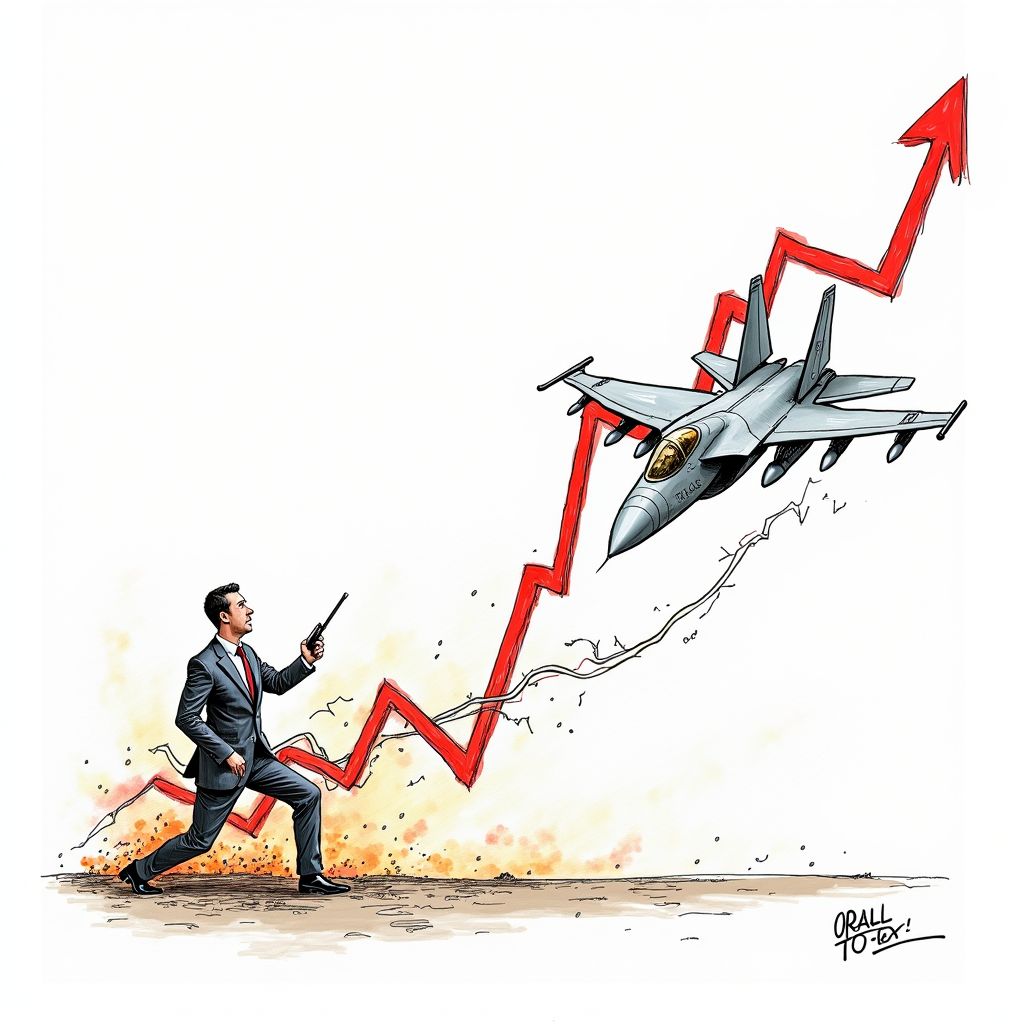
BAE Systems’ record £83.6 billion backlog fueled a market rally, pushing the STOXX 600 to an all-time high as investors bet on a sustained era of global defense spending.
Defense Sector Rallies Markets to Historic Peaks
On Wednesday, February 18, 2026, European equity markets achieved a significant milestone, with the pan-European STOXX 600 index advancing 0.8% to reach a record high of 626.36 points [1]. This surge was underpinned by a robust performance in the defense sector, led by UK-based contractor BAE Systems, which reported financial results that exceeded analyst expectations [1]. While defense stocks provided the primary catalyst, the broader market sentiment also stabilized following a global selloff that had persisted since late January 2026 due to concerns over AI disruption [1]. BAE Systems shares reflected this enthusiasm, surging 6% in early trading [3] before settling to a gain of nearly 2.6% later in the session [1].
BAE Systems: Financials of a “New Era”
The financial results released by BAE Systems underscore the scale of the current boom in military expenditure. The company reported a record order backlog of £83.6 billion ($113.40 billion) [1], a figure that secures revenue streams for years to come. For the fiscal year 2025, sales climbed 10% on a constant currency basis to reach a record £30.7 billion [2]. To put this growth trajectory into perspective, the previous year’s sales stood at approximately 27.909 billion based on the reported 10% increase. Underlying earnings before interest and tax (EBIT) also saw a double-digit rise, increasing 12% to £3.32 billion [2]. This performance translated directly to shareholder returns; the board recommended a final dividend that lifts the total annual payout to 36.3 pence per share, a 10% increase from the prior year [2].
Geopolitics Driving Order Volumes
CEO Charles Woodburn described the current environment as a “new era” of defense spending, driven by escalating security challenges globally [3]. This is not merely rhetorical; the company’s order book reflects massive geopolitical shifts. In 2025 alone, BAE secured a £10 billion agreement with Norway for Type 26 frigates and a £4.6 billion deal with Turkey for Typhoon aircraft [5]. Additionally, the company expanded its footprint in the space domain, securing a $1.2 billion contract to provide missile-tracking capabilities for the US Space Force [5]. These strategic wins have propelled BAE’s stock to treble since the onset of the Ukraine conflict in 2022 [3].
Future Outlook and Monetary Policy Shifts
Looking ahead, BAE Systems has issued confident guidance for 2026, forecasting sales growth of 7-9% and a further 9-11% rise in underlying EBIT and earnings per share [4]. However, the macroeconomic backdrop remains dynamic. Investors are closely monitoring the European Central Bank (ECB) following reports that President Christine Lagarde intends to step down prior to the 2027 French presidential elections [1]. While analysts at Danske Bank predict a limited impact on policy—noting the historical balance maintained between hawks and doves—the speculation adds a layer of complexity as the bank keeps interest rates steady to manage inflation targets [1]. Elsewhere in the market, the banking sector showed resilience, rising over 1% to recover from the previous week’s losses, while Glencore climbed 3.2% after announcing a $2 billion shareholder return program [1].