Warner Bros. Postpones Highly Anticipated Batman Sequel to 2028
Los Angeles, Wednesday, 15 July 2026.
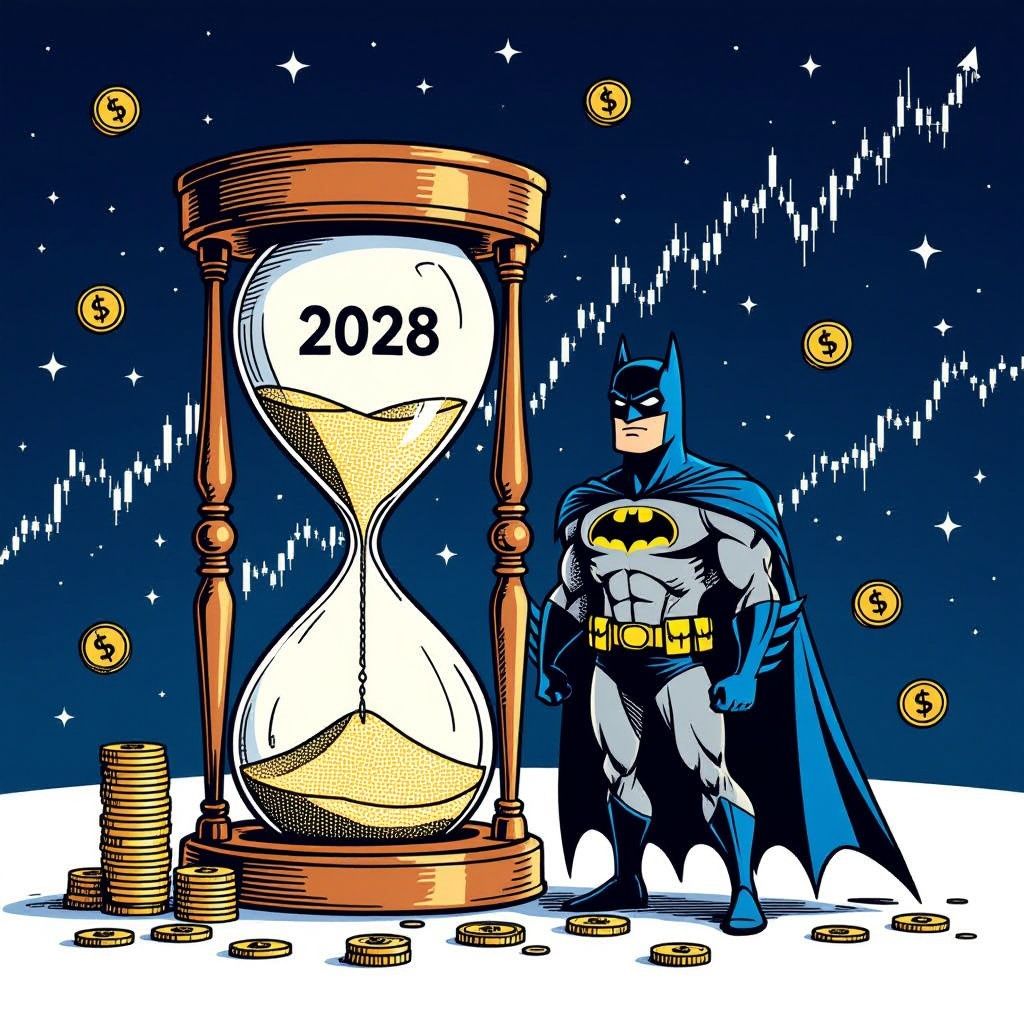
Warner Bros. Discovery has delayed The Batman Part II to 2028, a strategic move that alters its near-term financial projections and creates an unprecedented six-year gap between franchise releases.
A Major Realignment of the Theatrical Pipeline
Warner Bros. Discovery (NASDAQ: WBD) has officially restructured its upcoming film slate, initiating a series of high-profile delays that defer some of its most lucrative intellectual properties [1]. Chief among these adjustments is the rescheduling of Matt Reeves’ highly anticipated sequel, The Batman Part II, which has been pushed from its previous date of November 13, 2026, to February 18, 2028 [1]. This delay, which places the film’s debut on the lucrative Presidents Day holiday weekend, is officially due to a five-month production delay, giving Reeves crucial additional post-production time [1].
Analyzing the Six-Year Franchise Gap
This is not the first time the film’s timeline has shifted. Enthusiasts and industry trackers note that The Batman Part II was originally targeted for an October 2025 release [2]. Filming is currently active as of July 2026 [2], but the recurring delays mean that fans will experience a lengthy six-year gap between the original 2022 release [GPT] and this upcoming sequel, calculated as 6 years [2][GPT]. For comparison, industry commentators have pointed out that within a similar timeframe, an entire trilogy like Denis Villeneuve’s Dune series will have been completed and released [2].
Strategic Spacing and the DC Universe Roadmap
Beyond immediate production hurdles, the delay of The Batman Part II represents a calculated strategic maneuver by Warner Bros. Discovery to optimize its long-term box office revenue [1][2]. Industry analysts suggest that spreading out major tentpoles prevents internal scheduling conflicts, specifically ensuring that a flagship Superman film and a Batman film do not cannibalize each other’s earnings within the same calendar year [2]. This spacing ensures that the studio’s 2028 theatrical slate remains robustly bolstered by a guaranteed blockbuster [2].
Impact on James Gunn’s DCU Plans
This rescheduling also carries profound implications for the broader DC Universe (DCU) roadmap managed by DC Studios co-CEO James Gunn [2]. Gunn has established a strict policy to avoid releasing a DCU-specific Batman film in the same calendar year as Matt Reeves’ parallel, standalone franchise [2]. Consequently, pushing The Batman Part II to 2028 effectively delays the earliest potential release of Gunn’s planned project, The Brave and the Bold, to 2030 [2]. Amid these timeline shifts, unverified rumors also surfaced yesterday, on July 14, 2026, speculating that Scarlett Johansson might join Reeves’ grounded universe as a realistic iteration of Poison Ivy [2].
Rescheduling J.J. Abrams and Competitive Pressures
The Batman sequel is not the only high-profile project affected by this slate reshuffling. Warner Bros. has also delayed J.J. Abrams’ star-studded project, The Great Beyond, moving it from November 13, 2026, to October 1, 2027 [1]. Starring Glen Powell, Jenna Ortega, Emma Mackey, Sophie Okonedo, Merritt Wever, and Samuel L. Jackson, the film’s production completed filming around July 14, 2024, yet it faces a substantial delay [2]. The decision to push the release to autumn 2027 is partly to accommodate the extensive production of 70MM IMAX prints [1], following highly rated test screenings held at Regal Irvine [1].
Navigating the Crowded Autumn Slate
Competitive dynamics also played a significant role in this decision. Amazon MGM Studios previously positioned its film How to Rob a Bank on November 13, 2026 [1]. This created an overly crowded release window that directly influenced Warner Bros.’ decision to move The Great Beyond to a safer, more advantageous slot [1]. Additionally, the studio swapped release dates for two other films: Sam Esmail’s Panic Carefully (starring Julia Roberts and Eddie Redmayne) has moved from February 26, 2027, to an IMAX release on April 9, 2027, while Santiago Menghini’s Revenge of La Llorona took over the February 26, 2027 slot [1].
Corporate Headwinds and the Paramount Merger
These strategic theatrical delays occur against a backdrop of complex corporate maneuvering for the 103-year-old Warner Bros. studio [1]. The company’s pending acquisition of/by Paramount remains heavily delayed due to ongoing antitrust lawsuits launched by California, New York, and ten other states [1]. While the mega-merger was initially projected to close by Autumn 2026, these legal challenges have introduced significant uncertainty into the corporate timeline [1].
Financial Outlook and Long-Term Strategy
By deferring these major releases into the 2027 and 2028 fiscal years, Warner Bros. Discovery is actively reshaping its near-term financial projections [1][GPT]. While the delay of The Batman Part II and The Great Beyond may depress anticipated theatrical revenues for the 2026 fiscal year, it strategically secures a highly profitable pipeline of blockbusters for the subsequent years [1][GPT]. As the studio navigates regulatory scrutiny and production bottlenecks, these calculated adjustments reflect a broader industry trend of prioritizing long-term franchise health over immediate quarterly targets [GPT].